 EN
EN
 English
 русский
 Español
Custom Special Cable Design for Industrial and Consumer Use
 2025.12.04
 Industry News
Content
Understanding Custom Special Cable Design
In today's rapidly evolving technological landscape, industries and consumers often face unique challenges that standard cables cannot address. Custom special cables provide tailored solutions to meet these specific needs, ensuring higher efficiency, safety, and performance. This article will explore the essential aspects of custom special cable design, focusing on materials, applications, and design considerations to help manufacturers and engineers create optimized solutions for their requirements.
Key Factors in Custom Special Cable Design
When designing a custom special cable, several key factors need to be considered to ensure that the cable performs effectively and reliably in its specific application. These factors include:
- Material Selection: The choice of material is critical for the cable's durability and functionality. Common materials include copper, aluminum, and specialized alloys for higher conductivity or resistance to extreme conditions.
- Insulation Type: Insulation protects the internal conductors and can be customized to meet specific environmental or safety requirements, such as resistance to heat, chemicals, or moisture.
- Environmental Conditions: The cable must be designed to withstand specific environmental factors, including high temperatures, exposure to chemicals, or outdoor use, where UV resistance and flexibility are essential.
Common Applications of Custom Special Cables
Custom special cables are used across various industries, each with specific requirements for performance, durability, and safety. Some of the most common applications include:
- Telecommunications: Cables designed for high-speed data transmission must have minimal signal loss and excellent shielding to protect against electromagnetic interference (EMI).
- Aerospace: Special cables are used in aircraft for data transmission, power supply, and control systems. These cables must meet strict standards for weight, flexibility, and resistance to temperature extremes.
- Automotive: In the automotive industry, custom cables are often used for power supply, battery connections, and communication networks within the vehicle. They need to be durable and capable of handling high current loads and harsh environments.
- Energy & Utilities: In this sector, cables are used for power distribution, renewable energy systems, and smart grid technologies. Customization ensures the cables are safe, efficient, and long-lasting, even under demanding conditions.
Designing Cables for Specific Requirements
Each custom cable is designed with specific needs in mind. Engineers and manufacturers must work closely to understand the precise requirements and tailor the cable to meet them. This includes the following design elements:
- Voltage and Current Ratings: Cables must be designed to handle the appropriate voltage and current levels for their intended application without overheating or losing efficiency.
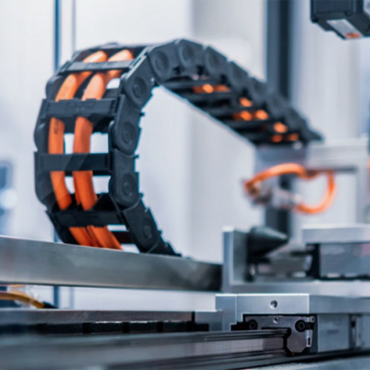
- Flexibility: Cables used in environments that require frequent movement or bending must be highly flexible, while also being able to withstand mechanical stress and wear over time.
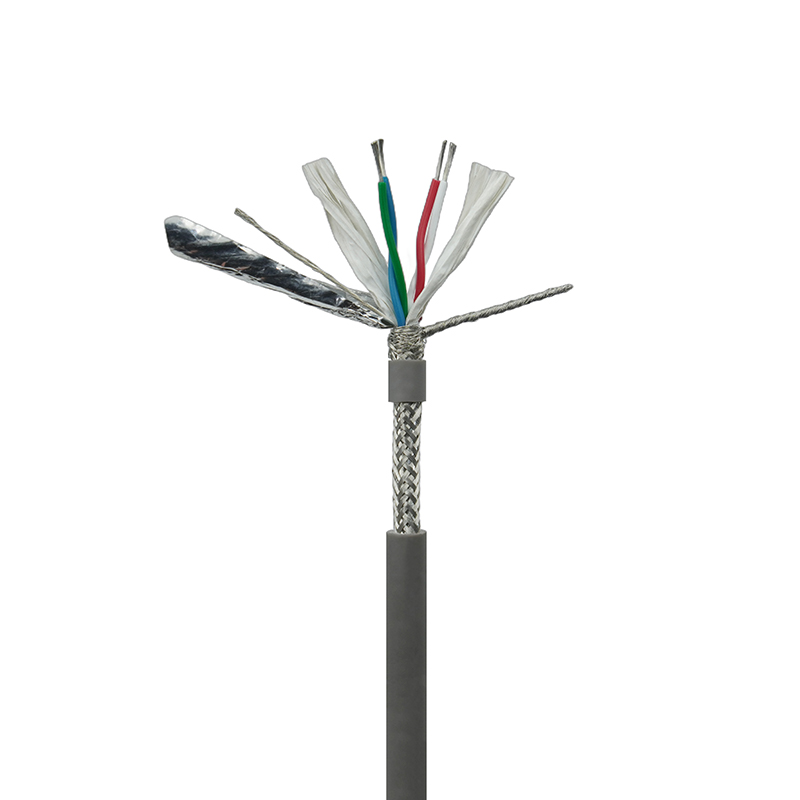
- Shielding and Noise Reduction: Cables used for data transmission or in sensitive equipment require shielding to minimize electromagnetic interference (EMI) and crosstalk between wires.
Materials Used in Custom Special Cables
The materials used in custom special cable design play a crucial role in determining the performance and reliability of the cable. Below is a breakdown of some common materials and their uses:
| Material | Use |
| Copper | High conductivity for power and data transmission, commonly used in most cables. |
| Aluminum | Lightweight alternative to copper, often used for long-distance power transmission. |
| Teflon (PTFE) | Used for insulation in high-temperature applications due to its resistance to heat and chemicals. |
| PVC (Polyvinyl Chloride) | Commonly used for insulation in general-purpose cables, providing flexibility and durability. |
Challenges in Custom Cable Design
Despite the benefits of custom cable design, there are several challenges engineers face when developing cables for specialized applications:
- Cost: Custom cables can be more expensive to produce due to the specialized materials and manufacturing processes involved.
- Complexity: Designing a custom cable that meets all necessary specifications while maintaining reliability can be a complex process, requiring careful consideration of materials, environmental factors, and safety standards.
- Lead Time: Custom cable production can take longer than standard cable manufacturing, especially when sourcing unique materials or testing prototypes.
Conclusion
Custom special cables are essential for a wide range of industries, offering tailored solutions to meet specific performance, durability, and environmental requirements. By carefully selecting materials, considering environmental factors, and working with experienced engineers, manufacturers can design and produce cables that enhance the functionality and safety of their systems. While challenges such as cost and complexity exist, the benefits of custom cable solutions far outweigh these obstacles, ensuring a more efficient and reliable end product.