 EN
EN
 English
 русский
 Español
How to Prevent Signal Loss in a Communication Cable
 2025.12.04
 Industry News
Content
- 1 Understanding Signal Loss in Communication Cables
- 2 Factors Contributing to Signal Loss
- 3 Choosing the Right Communication Cable
- 4 Proper Installation Techniques
- 5 Environmental Considerations
- 6 Using Signal Amplification and Repeaters
- 7 Regular Maintenance and Testing
- 8 Upgrading to Modern Communication Standards
- 9 Practical Tips for Everyday Users
- 10 Conclusion
Signal loss, or attenuation, is a common challenge in any communication system. Whether you are dealing with copper-based or fiber-optic communication cables, signal degradation can significantly affect the quality, speed, and reliability of data transmission. Understanding the causes of signal loss and implementing effective prevention strategies is essential for both industrial and home network setups.
Understanding Signal Loss in Communication Cables
Signal loss refers to the reduction in strength of an electrical or optical signal as it travels along a communication cable. The loss can occur due to various factors, including the cable’s physical properties, environmental conditions, and installation practices.
Types of signal loss in communication cables include:
- Attenuation: The gradual weakening of signal strength over distance.
- Crosstalk: Interference from adjacent cables or wires that affects the transmitted signal.
- Electromagnetic interference (EMI): Disturbances from nearby electrical devices or power lines.
- Impedance mismatch: Occurs when cable characteristics do not match the connected devices, causing reflection of signals.
Understanding the nature of signal loss is the first step in preventing it effectively.
Factors Contributing to Signal Loss
Signal loss in communication cables is influenced by multiple factors:
- Cable Type and Quality: Low-quality or improperly rated cables are more prone to attenuation. Copper cables, for example, have higher resistance than fiber optic cables, which can lead to greater signal degradation over long distances.
- Length of Cable Run: Signal strength diminishes over distance. Longer runs without amplification or repeaters increase the risk of attenuation.
- Environmental Conditions: Temperature fluctuations, moisture, and physical damage can compromise cable integrity.
- Interference: Nearby electrical equipment, fluorescent lighting, or other cables can induce electromagnetic interference (EMI), which disrupts signal transmission.
- Connector and Termination Quality: Poorly terminated connectors, corrosion, or loose connections can introduce resistance and reflection, causing signal loss.
Choosing the Right Communication Cable
Selecting the proper cable is a fundamental step in preventing signal loss:
-
Copper vs. Fiber Optic Cable:
- Copper cables (such as twisted pair or coaxial cables) are more susceptible to EMI and attenuation, but they are cost-effective for short distances.
- Fiber optic cables use light to transmit signals and are ideal for long-distance, high-speed networks due to minimal attenuation and immunity to EMI.
-
Shielded vs. Unshielded Cable:
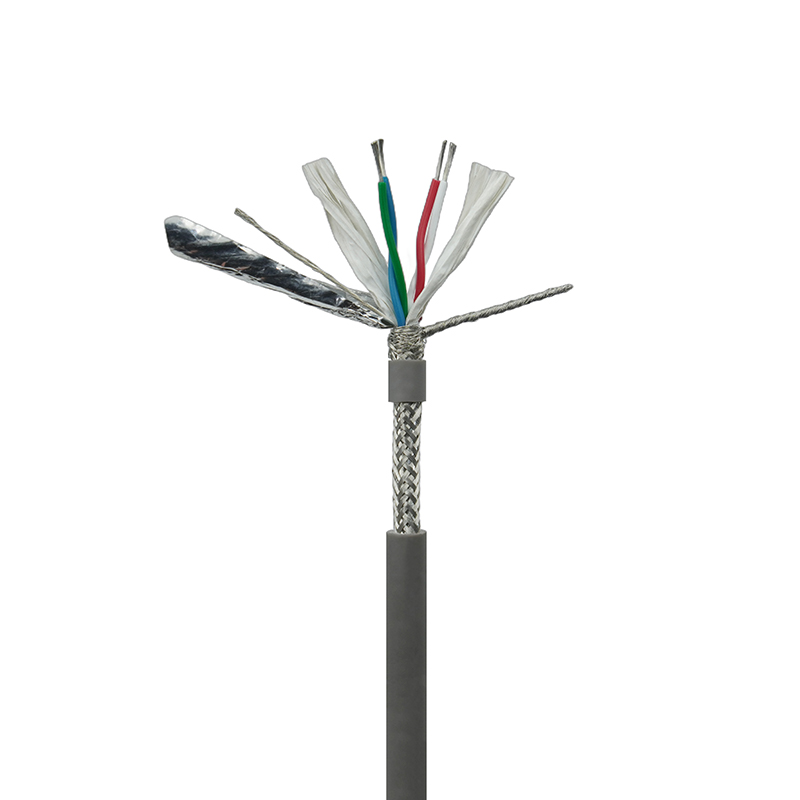
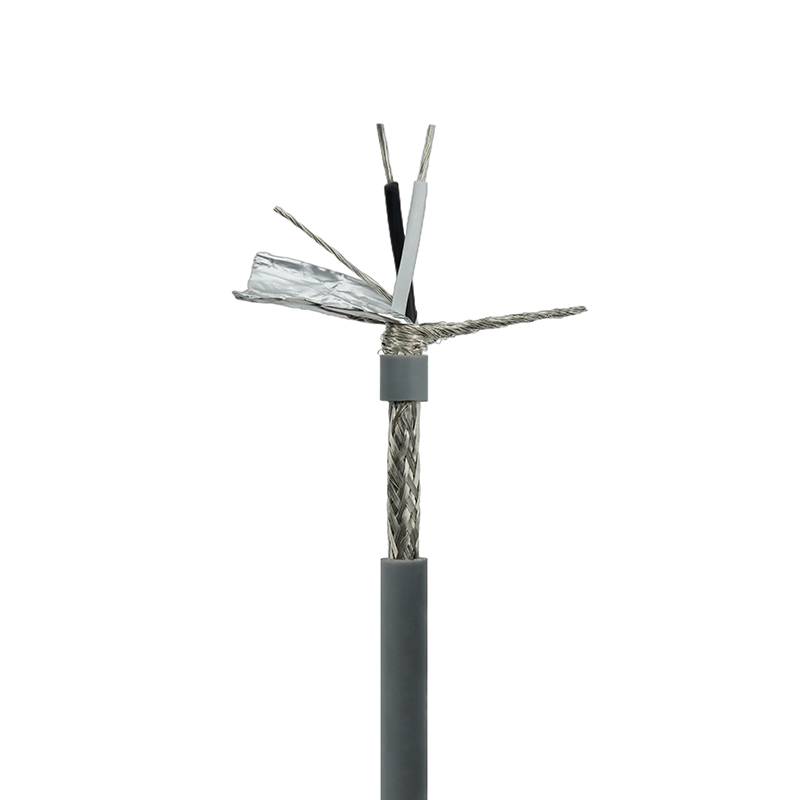
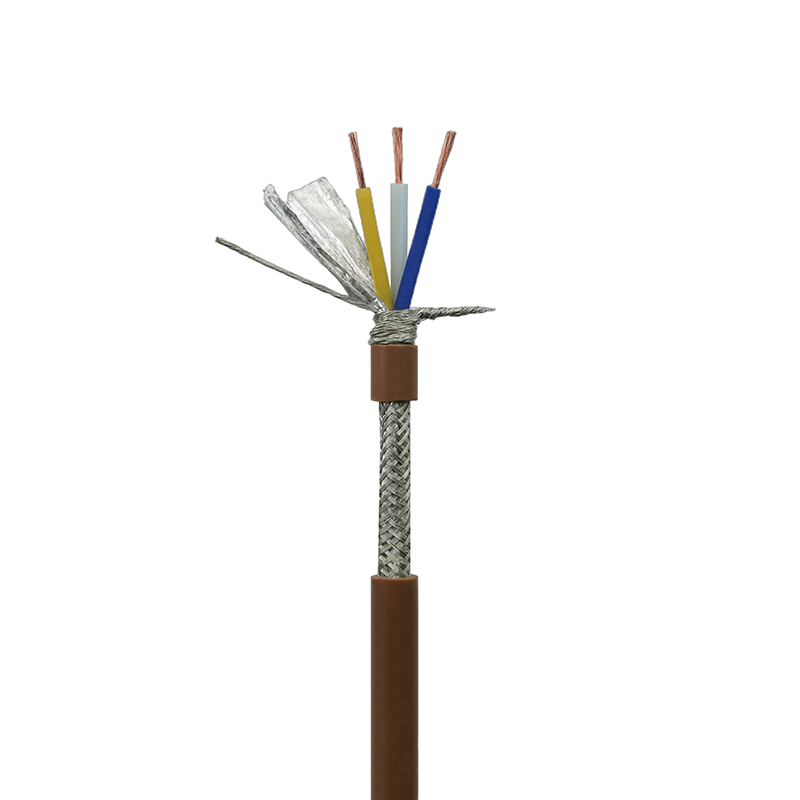
- Shielded cables (STP or FTP) provide an extra layer of protection against interference, particularly in industrial or high-EMI environments.
- Unshielded cables (UTP) are easier to install but may experience higher crosstalk in densely packed cable runs.
-
Cable Category: Ensure the cable meets the required performance standard, such as Cat5e, Cat6, Cat6a, or Cat7 for Ethernet networks. Higher categories typically offer better signal integrity and reduced interference.
Proper Installation Techniques
Even high-quality cables can suffer signal loss if installed incorrectly. Best practices include:
- Avoid Excessive Bending: Twisted-pair and fiber optic cables have minimum bend radius requirements. Bending beyond these limits can cause micro-fractures or kinks, leading to attenuation.
- Maintain Proper Separation: Keep communication cables away from power lines and sources of EMI to reduce crosstalk and interference.
- Use Correct Cable Lengths: Do not exceed recommended cable lengths for your specific cable type (e.g., 100 meters for Cat5e or Cat6 Ethernet cables).
- Proper Termination: Use certified connectors and ensure they are crimped or terminated correctly. Poor terminations are a common cause of signal loss.
- Secure Cable Pathways: Avoid tension or compression during installation. Use cable trays, conduits, or cable ties without over-tightening.
Environmental Considerations
Environmental factors can accelerate signal loss:
- Temperature: Excessive heat or cold can affect cable resistance or cause expansion/contraction, impacting signal integrity.
- Moisture: Water ingress in outdoor or underground cables can lead to corrosion or short-circuits. Waterproof jackets or conduits are essential for such installations.
- Physical Damage: Avoid sharp edges, foot traffic, or mechanical impacts that can crush or deform cables.
Using Signal Amplification and Repeaters
For long-distance communication, signal loss is inevitable. Effective methods to mitigate this include:
- Repeaters: Devices that regenerate signals to maintain strength over long distances. Essential for copper networks exceeding 100 meters or fiber networks spanning several kilometers.
- Amplifiers: Boost the electrical signal along the cable to counter attenuation. Typically used in coaxial cable networks.
- Media Converters: Convert signals between copper and fiber to take advantage of fiber’s low attenuation for long runs.
Regular Maintenance and Testing
Prevention is an ongoing process. Regular maintenance ensures signal integrity:
- Testing Cables: Use cable testers or OTDR (Optical Time-Domain Reflectometer) for fiber cables to detect attenuation, breaks, or faults.
- Inspect Terminations and Connectors: Check for corrosion, loose connectors, or damaged plugs.
- Monitor Network Performance: Slow data speeds or intermittent connections may indicate signal loss, prompting inspection or replacement.
- Replace Aging Cables: Older cables may degrade over time, especially in high-use environments.
Upgrading to Modern Communication Standards
Modern network standards often reduce signal loss by design:
- Higher-Category Ethernet Cables: Cat6a or Cat7 cables provide lower attenuation and better shielding than older Cat5e.
- Fiber Optic Networks: Ideal for high-bandwidth, long-distance, or EMI-prone environments.
- Power over Ethernet (PoE) Solutions: Reduce the need for additional power lines near data cables, minimizing interference.
Practical Tips for Everyday Users
Even non-technical users can take steps to prevent signal loss:
- Avoid running communication cables parallel to electrical wiring.
- Use cable organizers to prevent tangling and kinks.
- Label cables and maintain documentation to reduce accidental disconnections or misrouting.
- Avoid sharp bends near connectors and patch panels.
Conclusion
Signal loss in communication cables can compromise network performance, cause slow data transfer, and increase downtime. However, with proper cable selection, careful installation, environmental protection, and regular maintenance, signal loss can be minimized significantly. Whether using copper or fiber optic communication cables, understanding the factors that contribute to attenuation and applying preventive strategies ensures reliable and high-quality data transmission for both professional and residential applications.
By following these best practices, you can not only extend the lifespan of your communication cables but also maintain optimal network performance, reduce maintenance costs, and prevent frustration caused by unreliable connections.