 EN
EN
 English
 русский
 Español
High-Flex Drag Chain Cable vs Traditional Flexible Cable: A Real-World Comparison
 2025.12.03
 Industry News
Content
- 1 Design and Construction Differences
- 2 Mechanical Performance and Fatigue Life
- 3 Electrical and Signal Considerations
- 4 Installation and Routing Best Practices
- 5 Testing, Standards and Inspection
- 6 Maintenance and Common Failure Modes
- 7 Selection Guide and Cost Analysis
- 8 Case Studies and Real-World Examples
- 9 Practical Recommendations
Design and Construction Differences
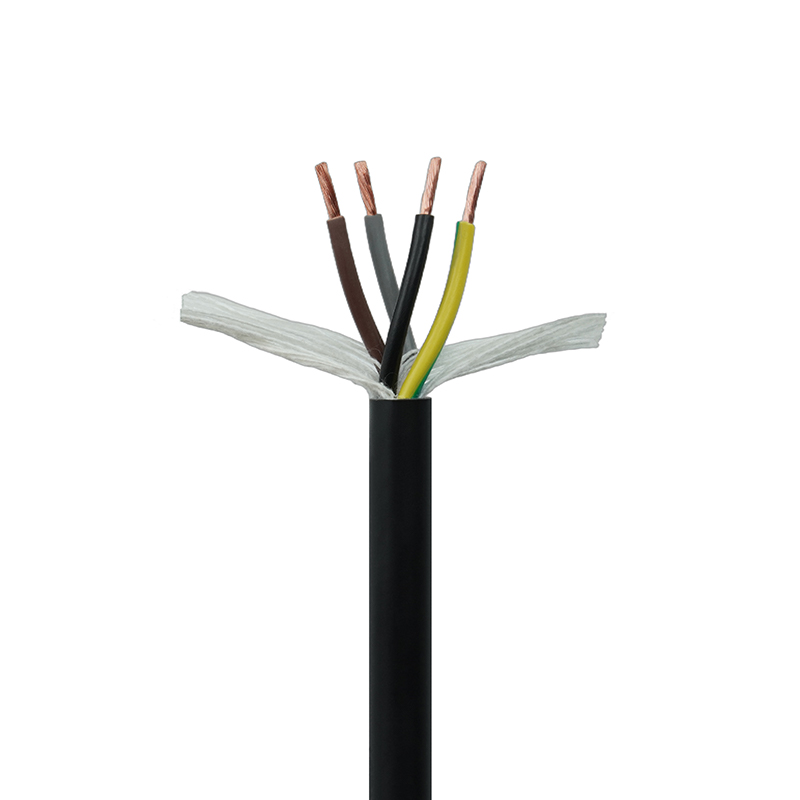
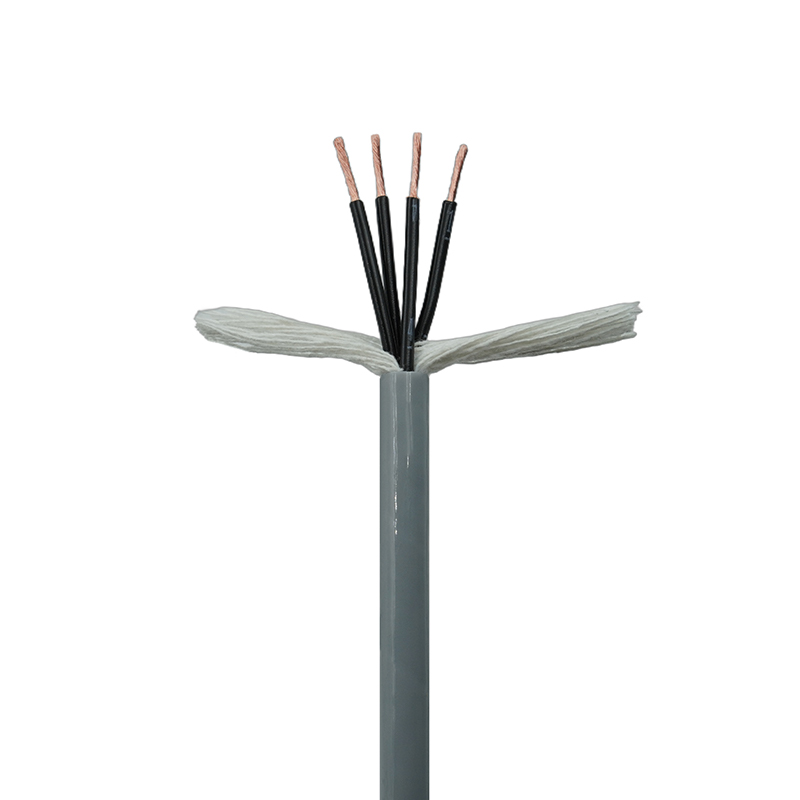
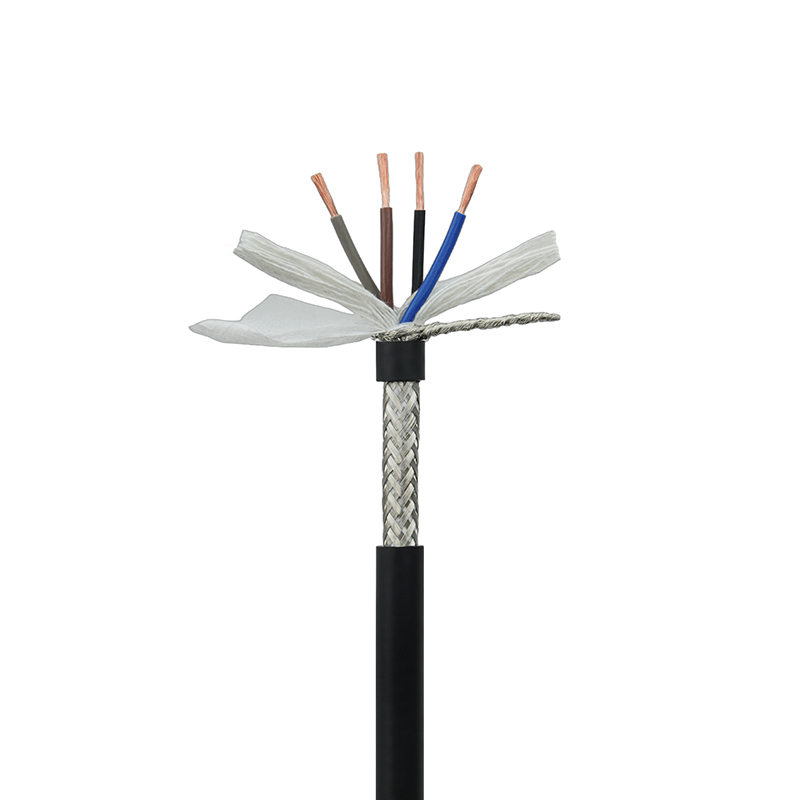
High-flex drag chain cables are engineered from the ground up to withstand continuous flexing inside energy chains. Key construction elements include finely stranded conductors, optimized conductor lay, low-modulus insulation compounds, and abrasion-resistant outer jackets such as PUR or specialized TPE blends. Traditional flexible cables — while described as “flexible” — typically use fewer strands, thicker insulation, and jacket compounds designed for static or occasional flex applications. These construction differences directly affect bending radius, flex life, and resistance to abrasion and torsion under dynamic conditions.
Conductor and strand structure
High-flex cables use very fine strands (often class 6 or class 7 and above) and optimized copper compaction to reduce internal friction and metal fatigue. Traditional flexible cables use coarser strands that increase stiffness and lower cyclic fatigue resistance. The strand count and stranding pattern determine how the conductor handles repeated bending cycles and impacts electrical continuity over long-life applications.
Insulation, jacketing and fillers
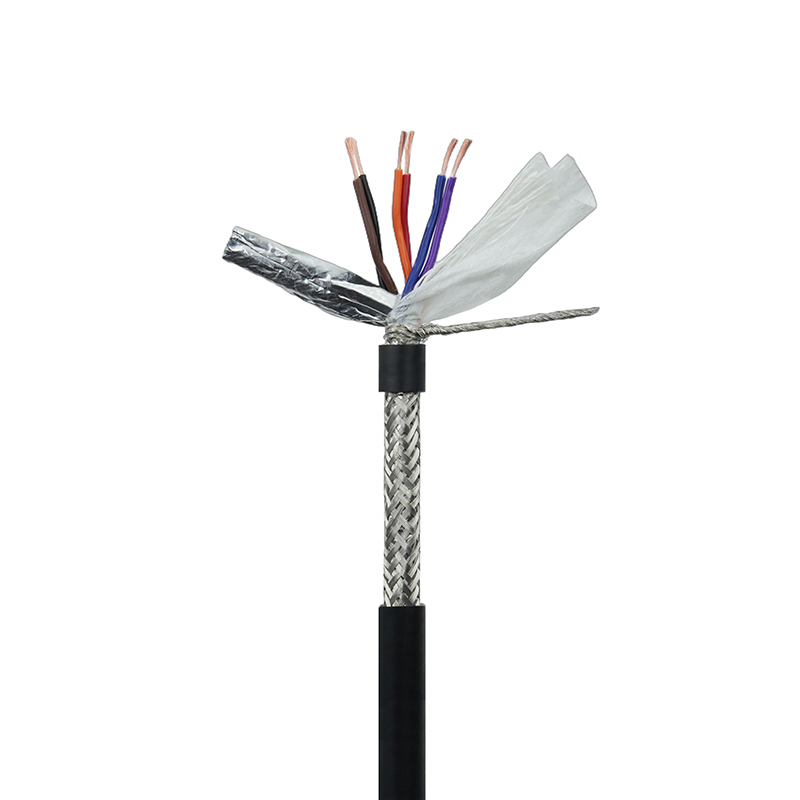
Insulation compounds in high-flex cables are chosen for elasticity and low compression set, reducing micro-movements that cause wear. Jackets on high-flex cables prioritize abrasion resistance and low friction to glide inside the chain. Traditional cables often use PVC or thicker jackets designed for abrasion protection in static runs but that become stiff and crack sooner in continuous motion.
Mechanical Performance and Fatigue Life
Mechanical performance metrics most relevant to drag chain applications are flex cycles to failure, minimum bending radius, torsional stability, and tensile strength. High-flex cables typically offer orders of magnitude higher cycle life in standardized tests (e.g., millions of cycles under defined radius and speed) compared with traditional flexible cables. This translates into fewer unscheduled stops and lower replacement frequency in continuous-motion systems.
Bend radius and long-travel behavior
High-flex cables are designed for tighter bend radii without conductor buckling or insulation extrusion. For long-travel applications, their internal construction prevents conductor migration and localized wear that would otherwise increase electrical resistance or cause shorts. Traditional cables may meet the minimum bend radius for occasional motion but cannot reliably sustain repeated small-radius cycling.
Electrical and Signal Considerations
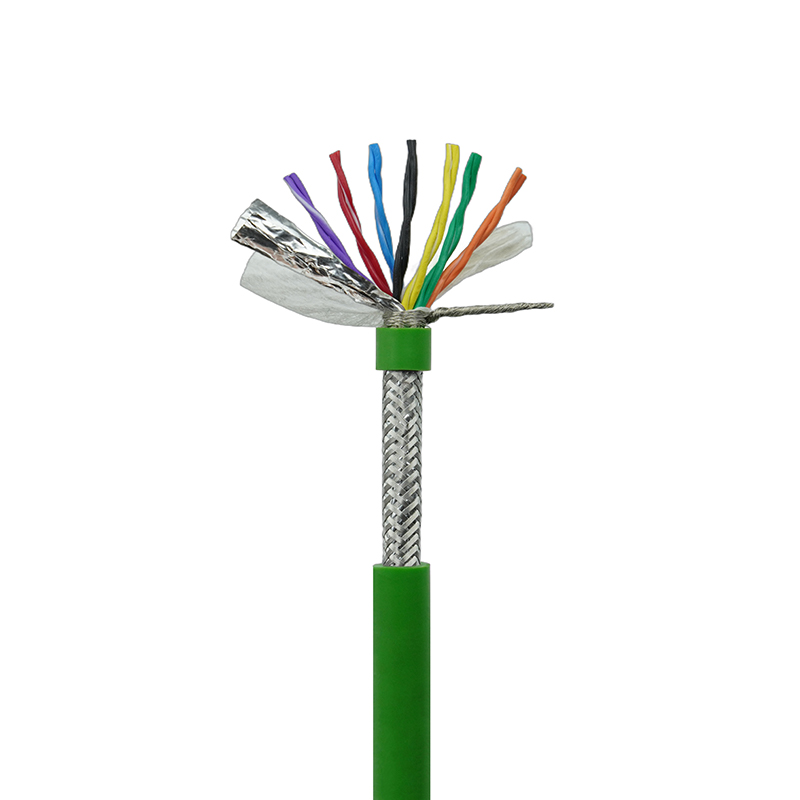
When cables operate inside moving chains, both power delivery and signal integrity matter. High-flex cables often include optimized pair geometry, controlled impedance options, and superior shielding implementations to maintain signal quality across repeated motion cycles. Traditional flexible cables may degrade shielding continuity or suffer intermittent contact under repeated flexing, which can manifest as noise, data errors, or communication timeouts in sensitive automation systems.
Shielding and EMI control
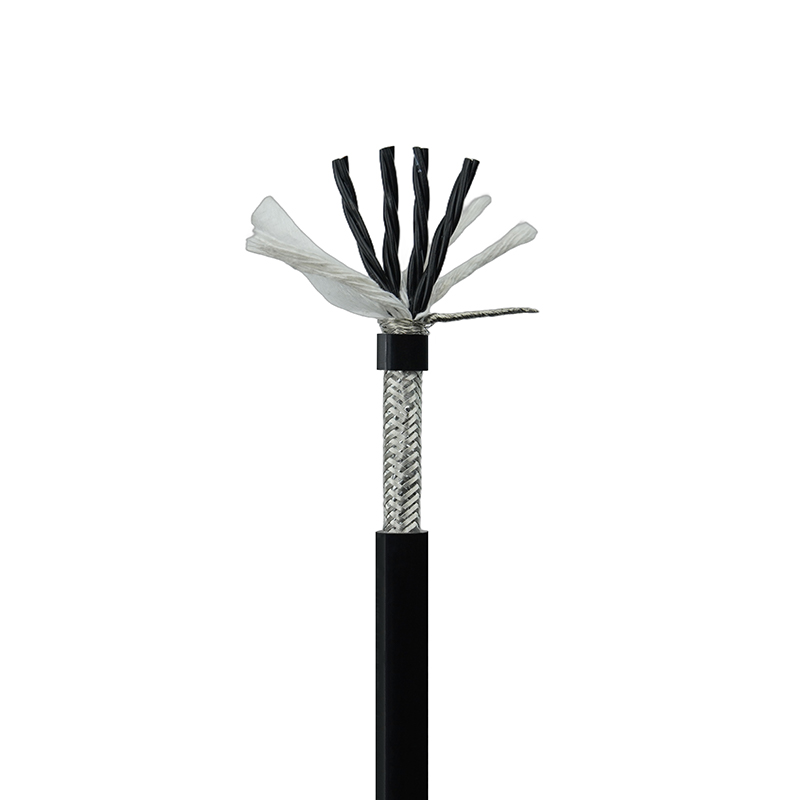
High-flex designs balance braid coverage and foil layers with low-stretch yarns to maintain shielding coverage through bending cycles. This preserves EMI performance for fieldbus, encoder, or servo feedback lines. In contrast, traditional shielding approaches can open or shift over many cycles, increasing susceptibility to electromagnetic interference.
Installation and Routing Best Practices
Proper installation maximizes the life of any cable but is especially critical for high-flex drag chain cable. Correct practices include respecting the recommended minimum bending radius, avoiding sharp edges at chain outlets, providing proper strain relief at termination points, and ensuring the cable is sized and laid in the chain so conductors are not crowded or pre-twisted. Even a high-flex cable will fail early if the chain geometry forces repeated kink points or allows contact with abrasive fixtures.
- Position heavier or stiffer cores closer to the neutral axis of the chain to reduce mechanical stress on outer conductors.
- Avoid overfilling the chain — allow small lateral movement so cables can flex without compressive contact.
- Provide smooth entry/exit radii and chamfer any metal edges that the cable may touch during motion.
Testing, Standards and Inspection
Manufacturers publish flex-life test data under defined conditions; when comparing products, look for explicit test parameters (travel length, cycle speed, bend radius, temperature, and installed configuration). Standards such as IEC 60204 and specific OEM guidelines often reference cable selection for moving equipment. Field inspection schedules should include visual checks for jacket abrasion, conductor exposure, insulation cracking, and measurable increases in electrical resistance.
| Parameter | High-Flex Drag Chain Cable | Traditional Flexible Cable |
| Typical Flex Life (cycles) | >1,000,000 (application-dependent) | 10,000–200,000 |
| Minimum Bend Radius | Small (often 5–10× cable Ø) | Larger (often 7–15× cable Ø) |
| Shielding Stability | High (braid + foil engineered for flex) | Medium to low (may degrade with cycles) |
| Abrasion Resistance | High (PUR/TPE jackets) | Variable (PVC or thicker jackets) |
Maintenance and Common Failure Modes
Common failure modes for cables in drag chains include jacket abrasion, conductor breakage from metal fatigue, insulation cracks leading to short circuits, and shield discontinuity causing EMI problems. High-flex cables slow these processes through material and construction choices, but routine inspection and preventative maintenance remain essential to catch early wear signs before they cause system downtime.
Recommended inspection checklist
- Visual jacket inspection for cuts, abrasion grooves, or deformation.
- Measure continuity and resistance on power lines and check for intermittent faults on signal lines.
- Verify secure terminations and strain relief points for slippage or loosening.
- Inspect chain interior for debris or sharp fragments that could accelerate wear.
Selection Guide and Cost Analysis
Choosing between high-flex drag chain cable and traditional flexible cable requires balancing upfront cost against total cost of ownership. High-flex cables cost more initially but typically lower lifecycle costs by reducing replacement frequency, minimizing downtime, and improving process reliability. For applications with high cycle counts, tight bend radii, or critical signal integrity needs, high-flex cables usually prove more economical over the equipment lifetime.
How to size and justify choice
Estimate expected flex cycles per day, required mean time between failures (MTBF), and the cost impact of an unscheduled stop. Compare manufacturer flex-life test data for cables under similar conditions and include installation costs and spare-part logistics. Use a simple payback or net-present-value comparison when presenting choices to procurement or engineering stakeholders.
Case Studies and Real-World Examples
In high-speed packaging lines, replacing bundled traditional cable runs with dedicated high-flex drag chain cables reduced unscheduled downtime by measurable percentages within the first six months. Similar outcomes appear in robotic welding cells where encoder feedback lines made from high-flex cable preserved signal integrity and reduced fault-induced stoppages. These examples highlight that the most pronounced benefits appear in systems with continuous, high-frequency motion or long travel lengths.
Practical Recommendations
If your application involves continuous motion, tight bends, long travel, or critical communications, prioritize high-flex drag chain cables designed for your chain geometry and rated flex life. When retrofitting existing systems, perform a thorough route audit: measure bend radii, travel length, expected cycles, and environmental stresses (temperature, chemicals, abrasion). Combine careful cable selection with correct installation and a documented inspection schedule to maximize service life.
For mixed requirements (power + data), separate power cores from sensitive signal pairs, use individual screening or core separation techniques, and consider customized cable constructions to avoid electromagnetic interference and heat buildup inside the chain. When in doubt, request manufacturer test reports that match your intended installed configuration rather than relying on generic flex-life claims.