 EN
EN
 English
 русский
 Español
Pump Flat Cable — Design, Selection, Installation and Maintenance
 2025.12.02
 Industry News
Content
- 1 What Pump Flat Cable Is and why it matters
- 2 Typical construction and materials
- 3 Variants and configurations
- 4 Common applications in pump systems
- 5 Key electrical and mechanical specifications to check
- 6 How to select the right flat cable for your pump
- 7 Installation best practices
- 8 Testing and compliance
- 9 Maintenance and troubleshooting
- 10 Cost considerations and lifecycle trade-offs
- 11 Checklist for buying pump flat cable
- 12 Closing guidance
What Pump Flat Cable Is and why it matters
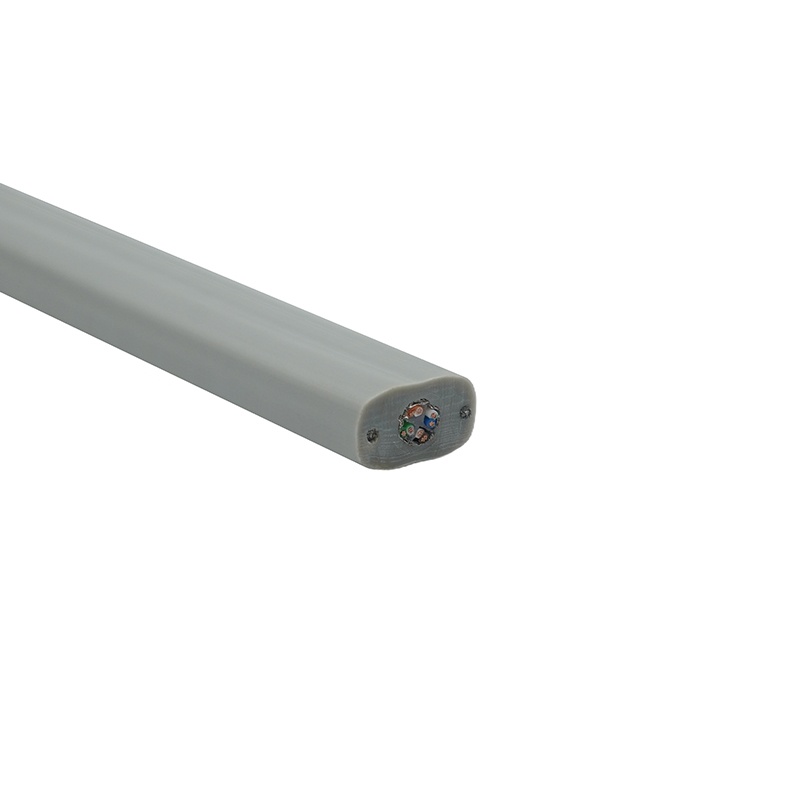
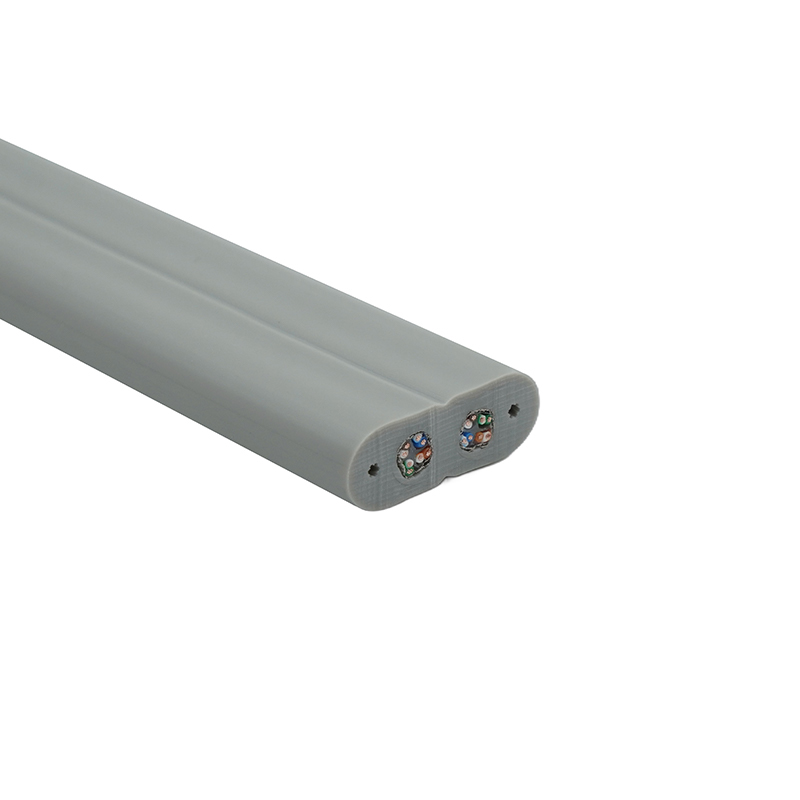
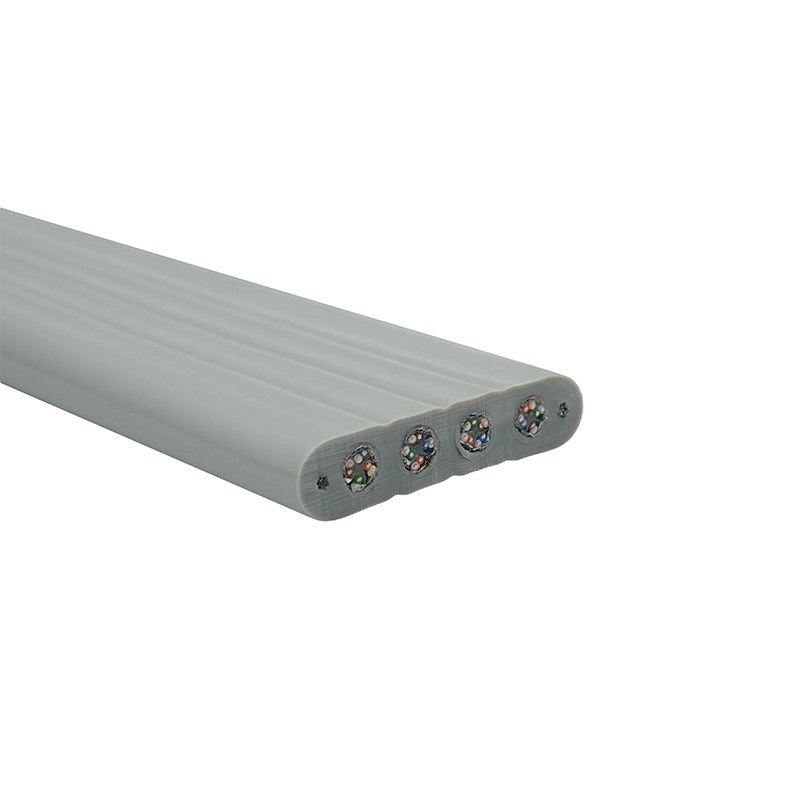
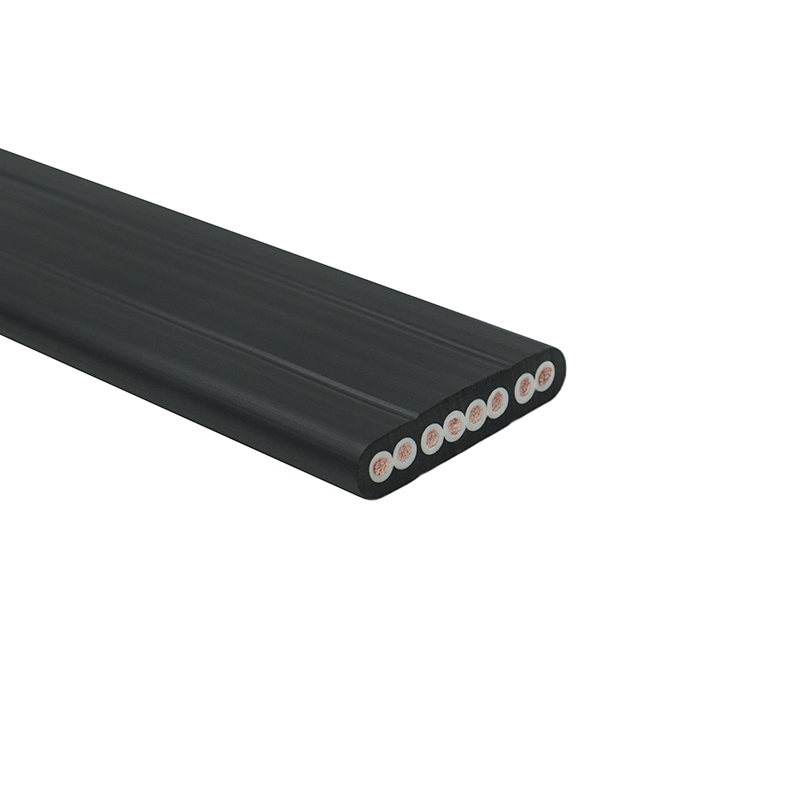
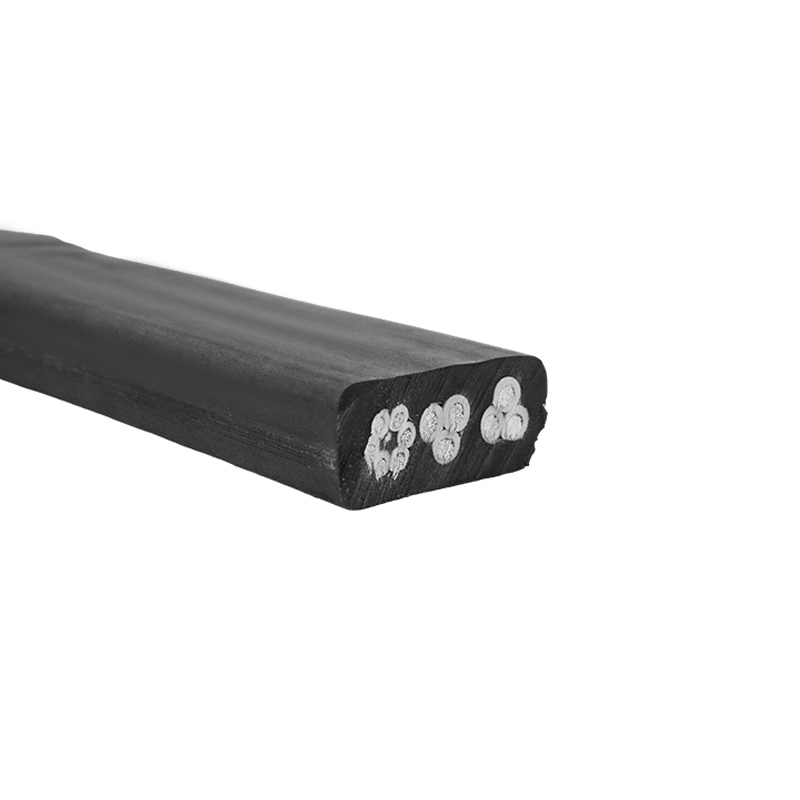
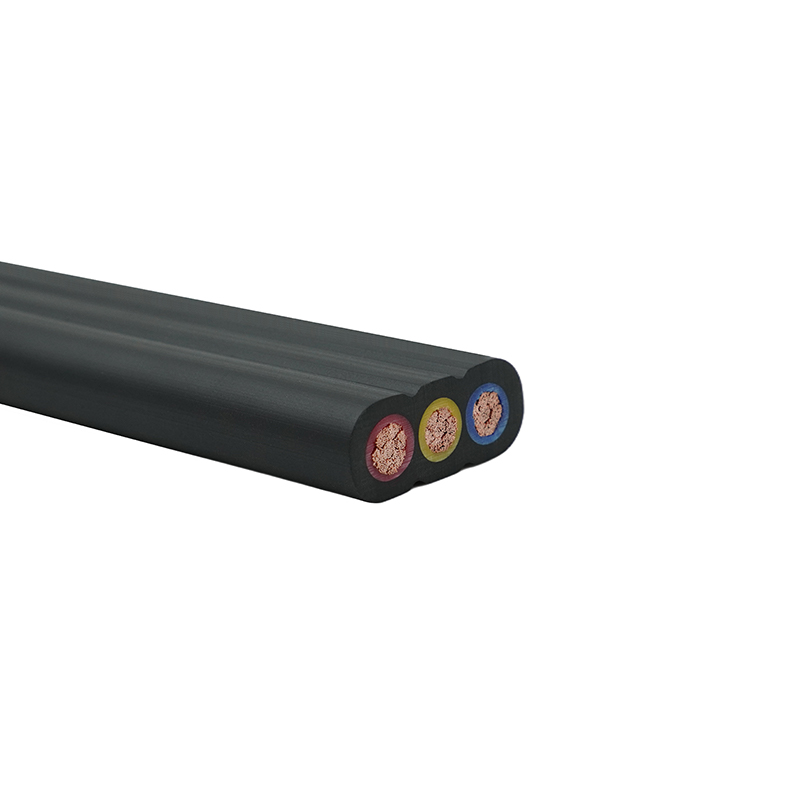
Pump flat cable is a type of flexible, low-profile power and signal cable engineered for pump assemblies, motor-launch systems, and compact fluid-handling equipment where space is limited and movement or vibration is present. Unlike round cables, flat cable packs conductors side-by-side in a thin ribbon that reduces bending radius and simplifies routing along chassis surfaces, inside cable tracks, and through narrow channels. For applications that combine frequent motion, moisture exposure, and confined routing, choosing the right flat cable improves service life, reduces downtime, and simplifies installation.
Typical construction and materials
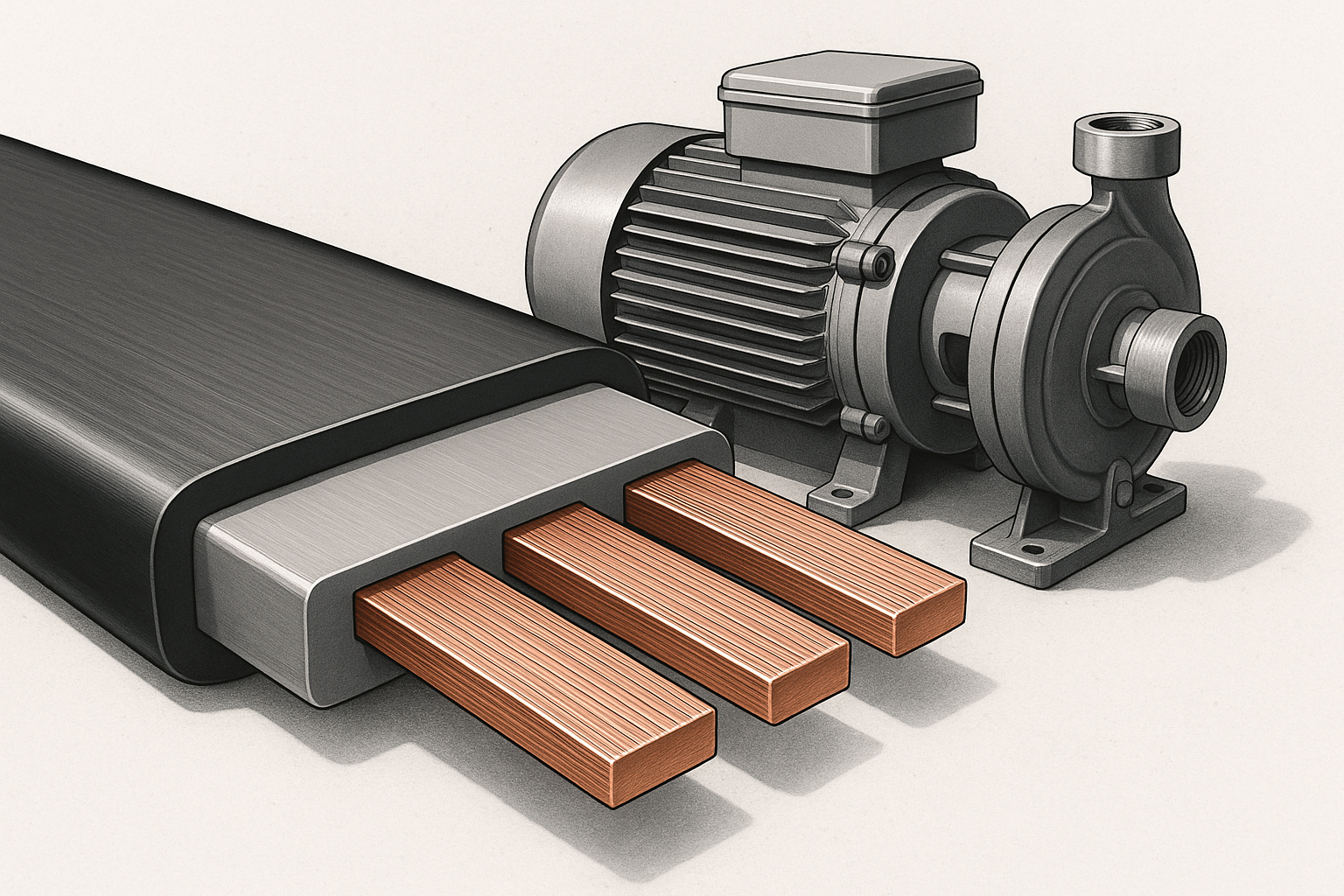
A typical pump flat cable consists of three layers: conductors, insulation, and an outer jacket or tape. Conductors are usually stranded copper to keep the cable flexible while maintaining conductivity. Insulation materials vary by temperature and chemical exposure requirements. Common insulation choices are polyvinyl chloride (PVC) for economy, thermoplastic elastomer (TPE) for improved flexibility, and crosslinked polyethylene (XLPE) for higher temperature and abrasion resistance. The outer jacket or tape may be polyester, polyurethane, or adhesive-backed PVC, chosen for abrasion resistance, oil resistance, and water sealing.
Variants and configurations
Pump flat cable comes in many configurations to match operating needs:
- Power-only ribbon: a few high-gauge conductors for motor supply.
- Combined power and signal: mixed conductor sizes for motor power plus sensor or control wiring.
- Shielded variants: individual or overall shielding to reduce electromagnetic interference for sensitive control lines.
- Waterproof or jacketed types: sealed outer layers for immersion or splash-prone environments.
- High-flex grades: extra strand count and flexible insulation for long-reach actuators and continuous motion systems.
Common applications in pump systems
Use flat cable in submersible pumps, packaged pump modules, dosing pumps, booster sets, and skid-mounted pump stations. Typical uses include routing motor power in tight intake chambers, carrying encoder or sensor feedback from pump heads, and connecting remote control panels through narrow cable ducts. Where folded or layered routing is required, flat cable often fits better than round cable and can reduce stress on connectors.
Key electrical and mechanical specifications to check
When selecting pump flat cable, focus on parameters that directly affect reliability in the pump environment:
| Specification | Why it matters |
|---|---|
| Conductor size and type | Determines current-carrying capacity and voltage drop for motor loads. |
| Insulation material and temperature rating | Controls operating temperature range and resistance to heat from motors or ambient. |
| Flex rating (cycles or bending radius) | Predicts service life in moving installations and prevents premature wire fatigue. |
| Water and oil resistance | Essential for wet, oily, or chemically aggressive pump environments. |
| Shielding and EMI performance | Important when sensor lines run next to power conductors to avoid interference. |
| Jacket abrasion resistance | Reduces wear where the cable runs along metal guides or inside reels. |
How to select the right flat cable for your pump
Start with the electrical load. Calculate motor current and expected voltage drop over the cable length. Choose conductor cross-sectional area to maintain acceptable voltage drop while leaving margin for startup currents. Match insulation temperature rating to the highest expected environment temperature plus a safety margin.
Next, consider mechanical motion. If the cable moves frequently, select a high-flex construction with fine-stranded conductors and an elastomeric insulation. For fixed routing behind panels, economical PVC variants may be acceptable. For wet or submerged placements, choose sealed jackets rated for water ingress protection and chemical resistance.
Installation best practices
Proper installation reduces stress points and extends cable life. Follow these practical steps:
- Route the cable along smooth surfaces. Use protective conduits or trays in areas where abrasion may occur.
- Avoid sharp bends. Keep bending radius above the manufacturer's minimum, typically multiple times the cable thickness.
- Secure the cable at regular intervals using clamps or adhesive-backed pads to prevent chafing and reduce dynamic strain.
- Separate power and signal runs when possible. If routing together, use shielded cable or grounded metal partitions to limit interference.
- Terminate with compatible connectors and use strain relief to prevent conductor pull-out at the termination points.
Testing and compliance
Check for relevant standards and perform tests before commissioning:
- Continuity and insulation resistance testing to verify conductor integrity after installation.
- Voltage drop verification under load to confirm cable sizing.
- Functional test of sensors and control lines with the motor running to confirm absence of interference.
- Where applicable, verify cable ratings against local electrical codes and directives for hazardous or wet locations.
Maintenance and troubleshooting
Implement a simple inspection routine to catch early signs of wear:
- Visual inspection for cuts, abrasions, or exposed conductors.
- Check terminations for corrosion and tightness.
- Monitor for intermittent faults that appear during motion — these often indicate broken strands inside the insulation.
- Replace cable sections that show repeated damage rather than attempt field repairs in high-stress zones.
If you encounter motor trips, erratic sensor readings, or communication loss, isolate the cable and test individual conductors for continuity and intermittent breaks. Use an oscilloscope or data logger for EMI-related symptoms to locate coupling points.
Cost considerations and lifecycle trade-offs
Flat cable pricing varies with conductor gauge, insulation material, shielding, and special jackets. High-flex and waterproof variants cost more up front but reduce replacement frequency in demanding environments. Factor installation labor — flat cable can save time in constrained routings but may require more careful terminations. Balance upfront cost against expected maintenance intervals and potential downtime cost for your operation.
Checklist for buying pump flat cable
- Confirm conductor gauge versus motor and startup current.
- Verify insulation temperature rating and chemical resistance.
- Choose flex rating matching expected motion cycles.
- Decide on shielding if sensitive control or communication lines are present.
- Pick jacket material for abrasion and water exposure level.
- Request datasheets and bend-cycle test results from suppliers.
Closing guidance
When you select, install, and maintain pump flat cable with attention to electrical load, mechanical motion, and environmental exposure, the cable becomes a reliable element of the pump system rather than a recurring failure point. Use the checklist above during procurement and keep clear records of cable part numbers, installation locations, and inspection dates to simplify future maintenance. If you need a specification template or an ordered comparison table for candidate cables, provide the load, expected motion profile, and environment and a focused specification can be prepared quickly.