 EN
 English
 русский
 Español
Shipbuilding Welding: Practical Process and Cable Notes for Modern Shipyards
 2026.11.23
 Industry News
Content
- 1 Why shipbuilding welding is a different kind of challenge
- 2 Welding processes that shape a hull
- 3 Where welding cable choices show up
- 4 Cable routing, ampacity, and the duty cycle
- 5 Marine environment and the rest of the electrical package
- 6 Inspection, distortion, and the cost of rework
- 7 Habits that make a difference at shift change
If you have ever walked through a shipyard at shift change, you know that welding sets the rhythm of the place. The hull blocks move, the fitters line up the next joint, and the welders settle into a long, careful sequence of work. Shipbuilding welding is not just about joining steel; it is about joining it safely, repeatably, and in conditions that are rarely ideal. From the first plate to the final sea trial, every weld and every cable feeding the arc has to earn its place.
We have spent years working alongside industrial teams that need special cables for tough jobs, and the lessons from shipyards keep coming back to the same themes: sound process, good fit-up, realistic cable sizing, and inspection that happens before a problem becomes expensive. This guide is a practical walk through those themes, with an emphasis on the welding side and the cables that keep the work moving.
Why shipbuilding welding is a different kind of challenge
A shipyard is a factory, a construction site, and a marine environment all at once. Steel sections are large, access is often awkward, and much of the welding happens in the vertical or overhead position. Weather can change the plan for the day. Schedules are tight, but the consequences of a poor weld are not short-lived: hull integrity, watertightness, and classification society approval all depend on consistent workmanship.
That combination puts a premium on processes that can handle out-of-position work, on welders who understand distortion control, and on equipment that does not fail halfway through a shift. It also puts a quiet premium on cable selection. A welding cable that stiffens in cold weather, abrades against a sharp edge, or causes too much voltage drop is not just inconvenient; it changes the arc and the quality of the weld.
Welding processes that shape a hull
Most shipyards use a mix of processes rather than a single method. The choice depends on the joint, the position, the steel grade, the required production rate, and the available equipment. The notes below are not a substitute for a qualified welding procedure, but they explain why each process tends to appear where it does.
Flux-cored arc welding
Flux-cored arc welding is common in shipbuilding because it offers good deposition rates and works well in the flat, horizontal, and vertical positions. It is forgiving of slight fit-up variation and can be used outdoors with the right consumables and shielding. The trade-off is slag removal and the need to keep consumables dry.
Submerged arc welding
Submerged arc welding is the workhorse for long, straight seams on thicker plate. The arc is hidden under a granular flux, which gives good arc stability and a clean appearance. It is less suited to short, awkward joints and out-of-position work, so it usually belongs in a controlled fabrication bay rather than at the hull face.
Gas metal arc welding
Gas metal arc welding is versatile and widely used for thinner sections, fit-up work, and semi-automatic production. It gives good control and relatively low spatter when the parameters are right. In a shipyard, wind and drafts can disturb shielding gas, so the process needs sensible protection in open areas.
Manual metal arc welding
Manual metal arc welding, also called stick welding, remains useful for repair work, site welds, and areas where semi-automatic equipment is difficult to position. It is simple and robust, but it depends heavily on operator skill and on keeping electrodes dry.
Tungsten inert gas welding
Tungsten inert gas welding is slower than the main production processes, but it is valuable for stainless steel, critical pipework, and joints that need careful control. It is usually a specialist tool in the shipyard rather than the primary hull process.
| Process | Typical shipyard use | What to watch |
|---|---|---|
| FCAW | Hull seams, stiffeners, and vertical joints | Consumable storage, slag removal, fume control |
| SAW | Long straight seams on thicker plate | Flux handling, joint alignment, fit-up quality |
| GMAW | Thinner sections and semi-automatic work | Gas shielding, wind protection, wire feed stability |
| MMA | Repair, site work, and awkward access | Electrode condition, operator technique, arc time |
| TIG | Stainless steel and critical pipe joints | Heat input, cleanliness, travel speed |
Where welding cable choices show up
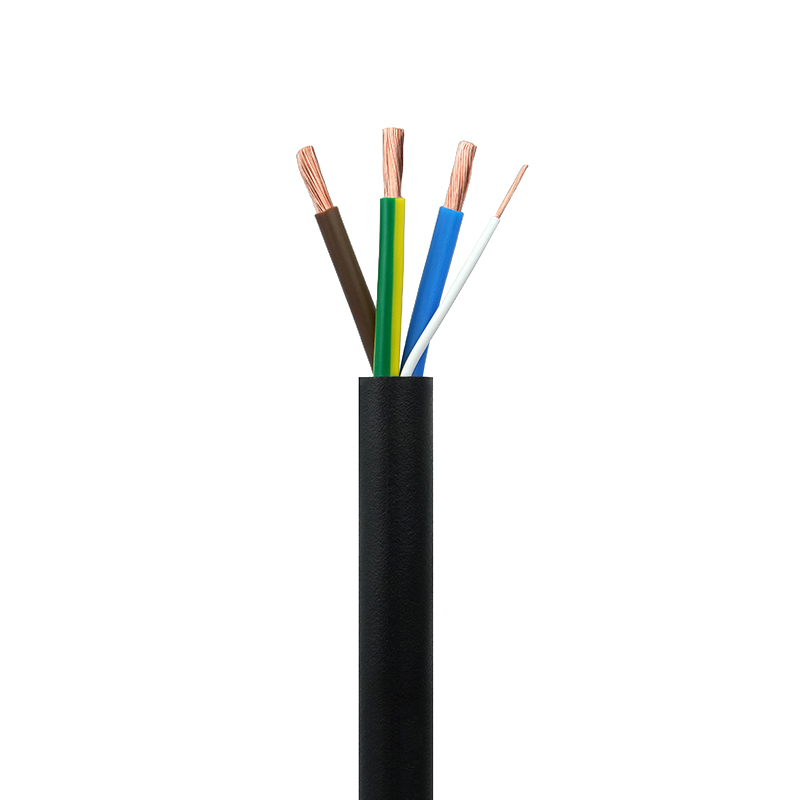
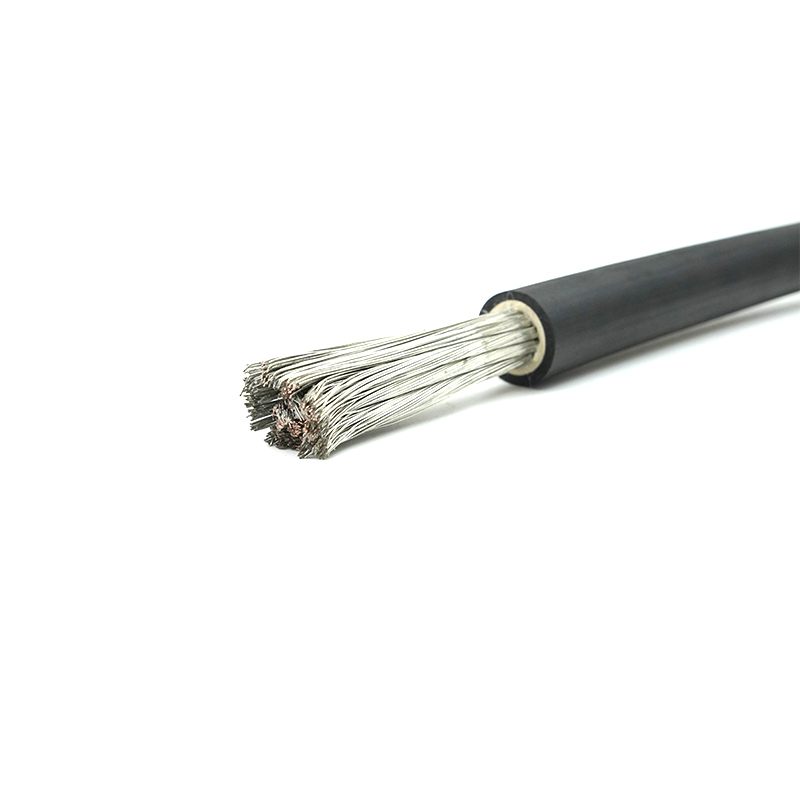
On a shipyard floor, a welding cable is dragged over steel edges, coiled over hooks, stepped on, and exposed to salt air. The jacket is not decoration. A tough rubber jacket helps the cable survive abrasion and oil, while a fine-strand copper conductor keeps the cable flexible enough to follow the welder without fighting back. High-strength rubber welding cable is designed for exactly this kind of rough handling, with the flexibility and durability that production welding demands.
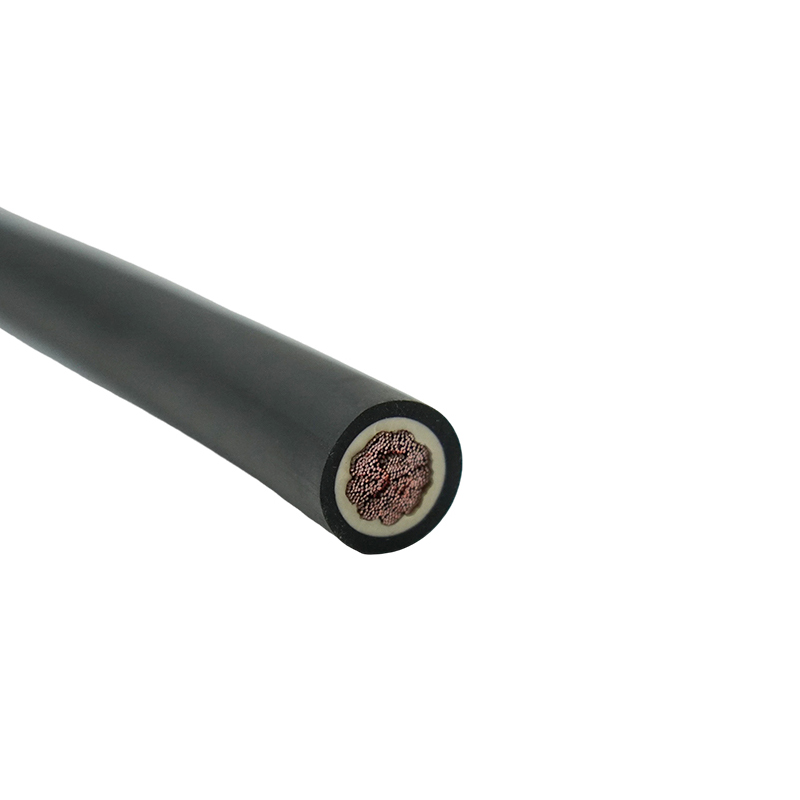 High-Strength Rubber Welding Cable YHDurable YH welding cable for flexible, low-impedance high-current runs between welding machines, torches, and grounding clamps on demanding shipyard floors.View Product →
The less obvious issue is voltage drop. A cable that is too small for the current and length will waste power as heat and leave the arc unstable. That is why experienced shipyard teams size welding leads around the real duty cycle, the length of the run, and the ambient conditions, not just the maximum output printed on the machine.
Cable routing, ampacity, and the duty cycle
Shipyard welding is rarely a continuous, steady load. Welders strike, pause, reposition, and start again. That pattern matters for cable selection because ampacity is tied to duty cycle and cooling. A cable that performs well on a bench may run warmer when it is coiled on a reel or buried under other leads. Good practice is to keep welding cables as short as practical, avoid tight coils during use, and check connectors and lugs regularly for heat damage.
- Match cable size to the welding current, duty cycle, and lead length.
- Keep leads off sharp edges and away from hot work where possible.
- Inspect jackets for cuts, abrasion, and hardening before each shift.
- Use connectors that are rated for the current and kept clean and tight.
- Separate welding leads from control and communication cables to reduce interference.
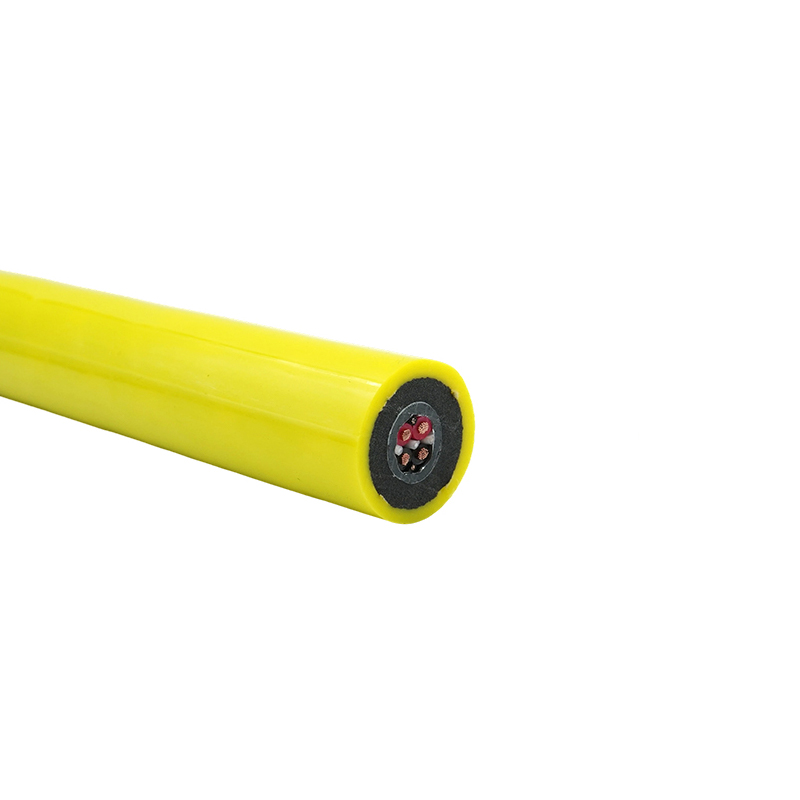
Temporary power around the hull deserves the same care. Lighting, small tools, and support equipment often run on trailing cables that face oil, water, and foot traffic. A heavy-duty outdoor oil-resistant rubber flexible cable is a sensible choice where the run has to stay flexible and resist the conditions around a working dock.
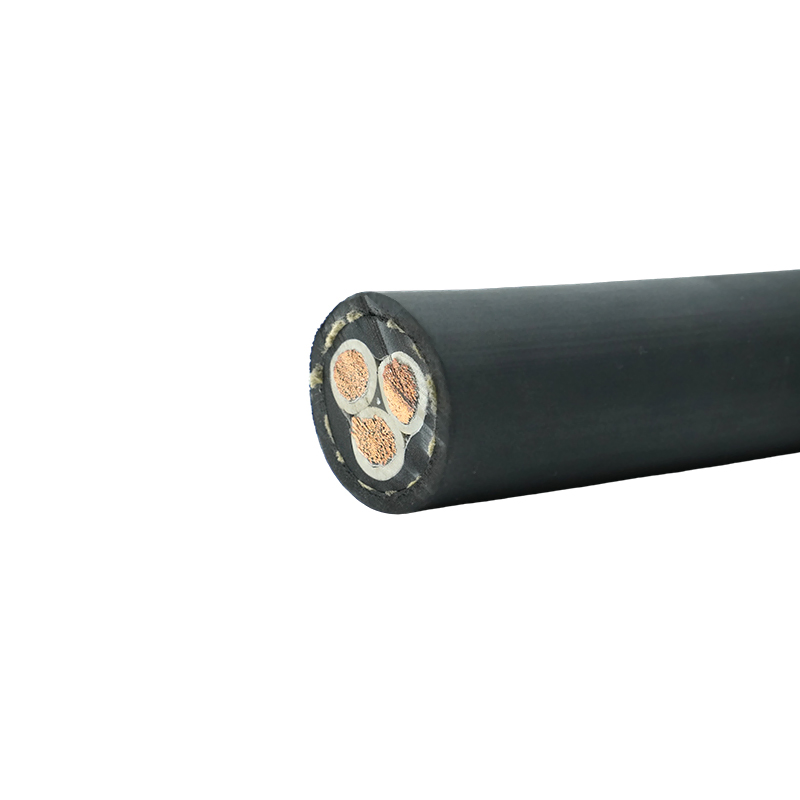 Heavy-Duty Oil-Resistant Rubber Flexible Cable YCWYCW cable for frequently moved industrial equipment exposed to oil, offering flexible power transmission where trailing cables must resist wear and working-dock conditions.View Product →
Marine environment and the rest of the electrical package
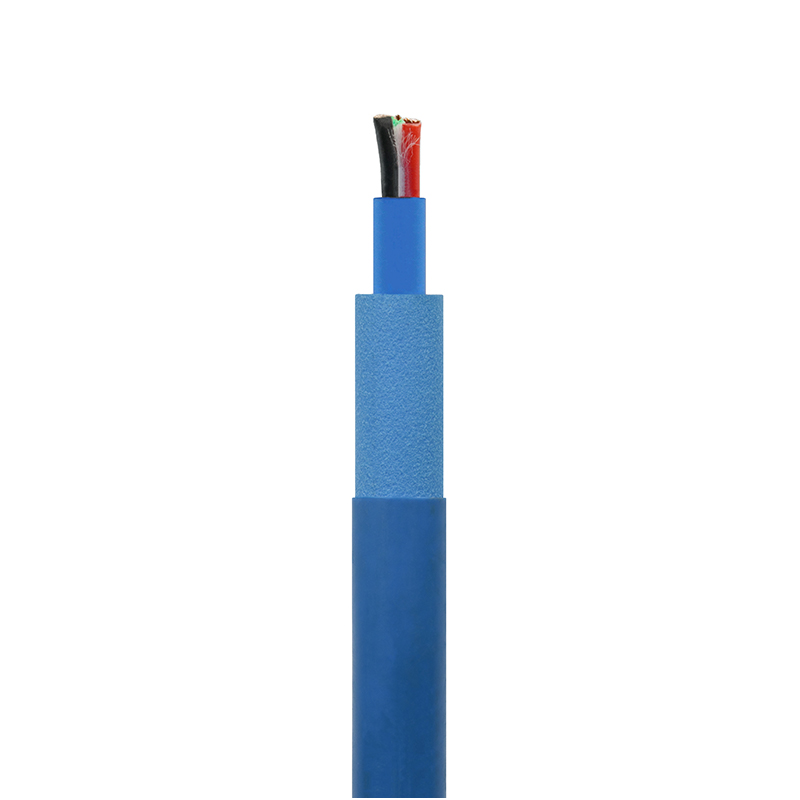
Welding is only one part of the electrical story on a vessel. Once the hull is closed and the outfitting begins, power, control, and communication cables take over. Saltwater, oil, vibration, and temperature swings are normal, so marine power cables need jackets and insulation that can handle the environment without becoming brittle or absorbing moisture. EPR-insulated, neoprene-sheathed marine power cable is a familiar construction for these conditions, and it is a reminder that shipbuilding cable choices should follow the same logic as welding choices: match the material to the job.
 EPR Insulated Neoprene Sheathed Marine Power Cable CEFRCEFR marine power cable for ships and offshore platforms in long-term water and salt-spray exposure, with EPR insulation and neoprene sheath for humid environments.View Product →
Inspection, distortion, and the cost of rework
In shipbuilding, rework is expensive not only because of the repair itself but because of the delay it creates in a tightly sequenced yard. That is why inspection belongs throughout the job. Fit-up, preheat, interpass temperature, welding sequence, and distortion control all deserve attention before the final weld is complete. Non-destructive testing has its place, but it works best when the procedure and the welder are already aligned.
Distortion control is a good example. Welders and fitters often use balanced sequences, back-step techniques, and stiffeners to keep plates from pulling out of shape. These are practical habits learned on the floor, and they matter as much as the welding machine settings. A hull that is fighting distortion creates extra grinding, extra straightening, and extra stress on the team.
Habits that make a difference at shift change
The best shipyard welding operations are not built on one dramatic improvement. They are built on small habits: checking the welding lead before it is dragged across a plate edge, keeping consumables dry, recording the parameters that worked, and asking for a second look when a joint does not feel right. Those habits protect weld quality and keep the electrical side of the yard from becoming the weak link.
If you are reviewing welding cables, trailing power cables, or marine cable specifications for an upcoming project, we are always glad to talk through the application. Our background is in special cable manufacturing for demanding industrial conditions, and we prefer a practical conversation over a sales pitch. You can learn more about our special cable manufacturing background or contact our team with the details of your shipyard application.