 EN
 English
 русский
 Español
Oil-Resistant Cable Standards and Certifications: A Practical Guide for Industrial Buyers
 2026.11.20
 Industry News
Content
An oil-resistant cable is rarely bought as a generic item. It is bought for a hydraulic power pack, a machine tool, a crane, a welding line, or an outdoor pump where oil mist, splash, or immersion is part of daily operation. In those places, the phrase “oil resistant” has to become a measurable claim. Standards and certifications are the tools that make that claim reviewable.
The useful questions are simple: resistant to which oil, at what temperature, for how long, and according to which test? The answers usually sit in a standard number, a test report, and sometimes a third-party certificate. Those three documents do different jobs, and treating them as interchangeable is one of the most common specification mistakes.
Why oil resistance needs a defined test
Oil is not a single chemical. Mineral oil, synthetic ester, hydraulic fluid, diesel, coolant, and food-grade lubricant can attack a jacket in different ways. A compound that swells in one fluid may perform well in another. That is why a general statement such as “oil resistant” is only a starting point.
International test methods usually define the oil, temperature, immersion time, and the properties measured before and after exposure. IEC 60811-404 is one of the test methods used for non-metallic cable materials. North American requirements may refer to UL or CSA test clauses, while marine and offshore projects often bring in IEC 60092 or class-society rules. The exact edition and scope matter because a test report for one condition does not cover every service fluid.
A finished cable also behaves differently from a raw jacket compound. A compound test can show that the material has a baseline resistance, but a finished-cable test includes the effects of insulation, fillers, tapes, and construction. For critical equipment, ask whether the evidence applies to the cable you are buying or only to the material family.
Standards, certifications, and marks: what each one proves
Oil resistance is a performance characteristic, not a management system. ISO 9001 can tell you that a factory follows a quality process, but it does not tell you how a jacket performs in hydraulic oil. CE marking shows conformity with applicable European legislation, not a universal oil rating. CCC shows access to the Chinese market for products in scope. UL and CSA marks indicate compliance with relevant North American requirements, but the detail still depends on the cable type and the test clause.
| Framework or mark | What it usually is | What it can tell you | What to verify |
|---|---|---|---|
| IEC 60811-404 | International test method | Oil immersion test conditions for non-metallic materials | Fluid type, temperature, duration, and pass/fail criteria |
| UL 1581 / UL 62 family | North American wire and cable requirements | Construction, electrical, and selected oil-resistance evaluations | Whether the test applies to the finished cable and the intended oil |
| CSA oil-resistance designations | North American marking practice | A recognized level of oil resistance where specified | The exact designation, test standard, and cable listing |
| CE marking | EU conformity marking | Compliance with applicable directives such as Low Voltage, EMC, or RoHS | Which directives apply; CE is not an oil test certificate |
| CCC | China Compulsory Certification | Market access for products in the CCC catalogue | Whether oil resistance is part of the certified scope |
| ISO 9001 | Quality management system certification | Process control, traceability, and quality discipline | Product-specific test reports and factory acceptance data |
Reading an oil-resistance test report
A report becomes useful when it names the fluid and the test conditions instead of relying on a short marketing phrase. The same jacket compound can pass one oil test and fail another, so the details are not administrative clutter. They are the difference between a useful approval and a false sense of security.
Fluid, temperature, and time
Look for the oil specification, whether it is a reference oil or a customer fluid, the immersion temperature, and the duration. A test at 70°C for 24 hours is not the same as a test at 100°C for 168 hours. If the report only says “oil resistant” without conditions, ask for the underlying data.
Measured properties
Typical acceptance criteria include tensile strength and elongation retention, hardness change, swelling, mass change, and visual inspection for cracks or blistering. Limits vary by standard and cable type, so compare the reported values with the specification that governs your project, not with a generic marketing claim.
Specimen and scope
Check whether the specimen was a molded plaque, a jacket strip, or a completed cable. Check whether the report covers the exact compound and construction. A report for a different jacket color may seem close, but formulation changes can affect oil resistance.
Matching standards to real applications
Industrial automation and drag chains
In machine tools and automated lines, oil-resistant jackets often need to combine with continuous flexing, abrasion resistance, and EMI protection. A PUR jacket is frequently chosen for drag-chain control and servo cables because it can resist lubricants and cutting fluids while tolerating motion. The specification should still state the oil exposure and the flex life expected at the actual travel distance.
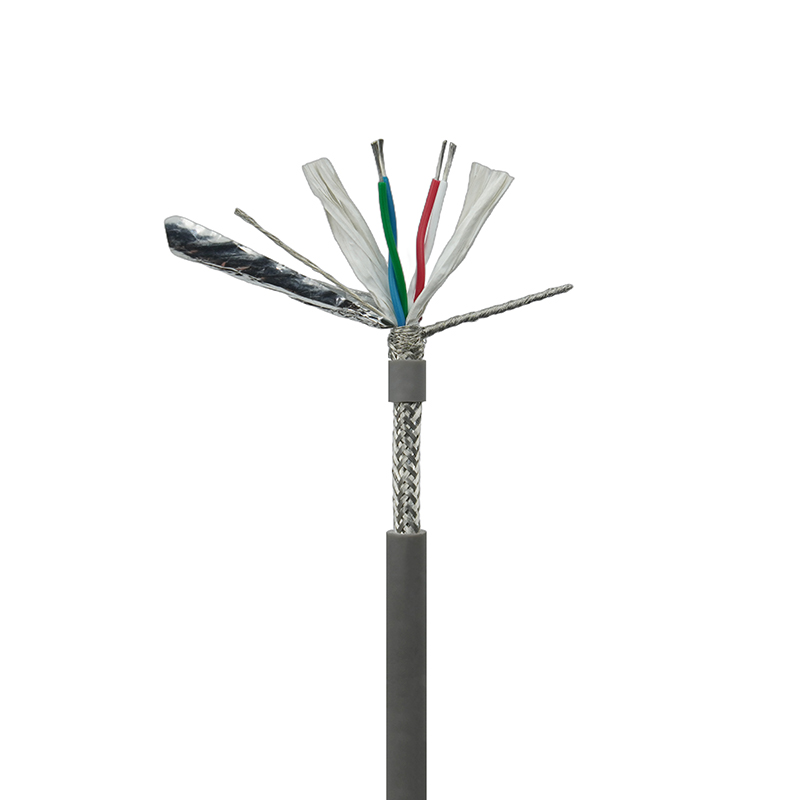
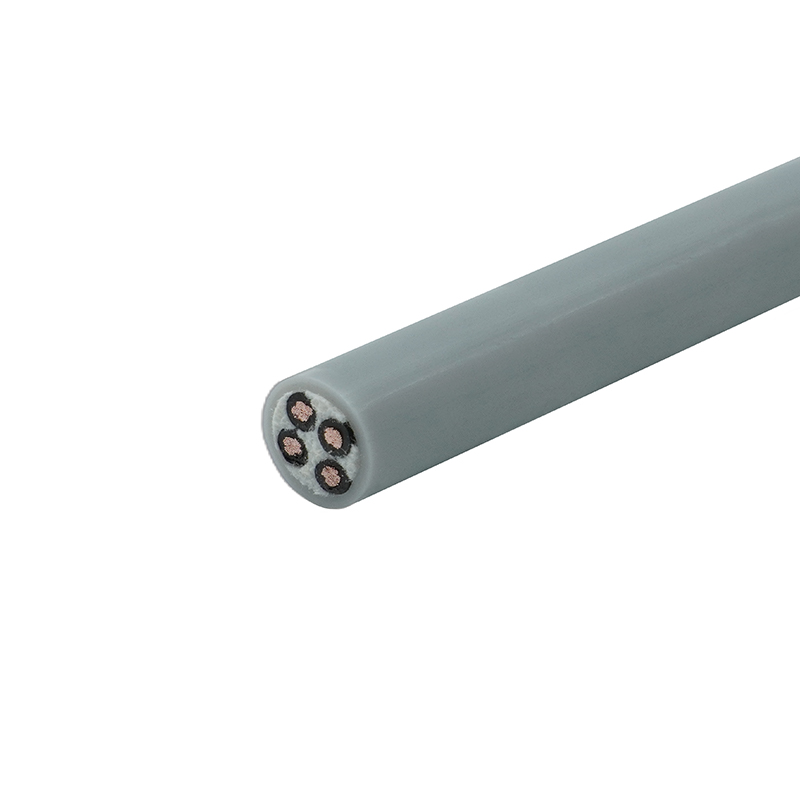 High-Flex Polyurethane Drag Chain Control Cable (TRVV-PUR)Product Positioning: An unshielded weather-resistant towline cable, focusing on power transmission in extreme environments.View Product →
Outdoor, mobile, and lifting equipment
For outdoor equipment, oil resistance is only one part of the duty. UV exposure, water, ozone, abrasion, and repeated reeling may dominate. A heavy-duty rubber flexible cable may be the better fit where a softer, high-flex jacket is needed in wet and oily conditions. On cranes and reeling systems, confirm that the jacket compound and the reeling duty are both covered by the supplier's evidence.
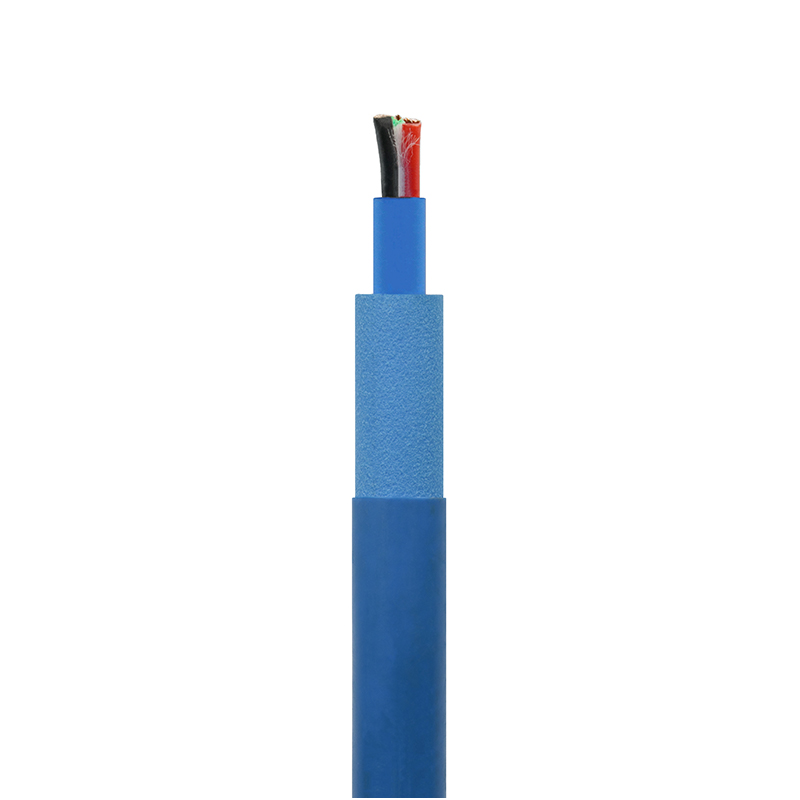
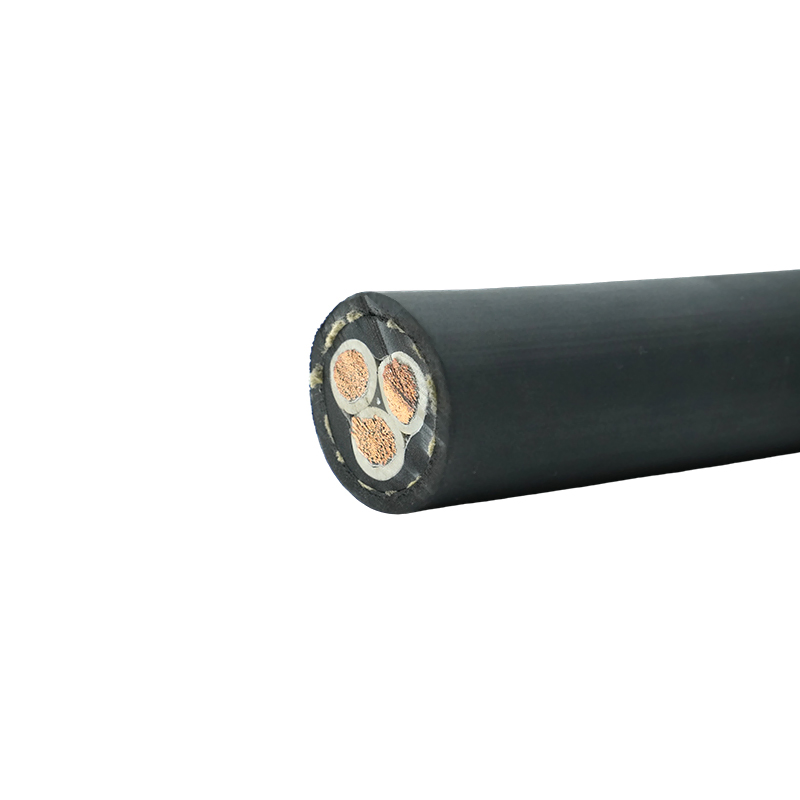 YCW Heavy-Duty Oil-Resistant Rubber Flexible CableIndustrial power cable for oil-exposed, frequently moving equipment; check jacket compound and relevant evidence against your outdoor duty.View Product →
Lifting and reeling systems
Reeling cables see tension, bending, and sometimes standing water. A TPU dual-sheath construction can be useful where the outer sheath must resist oil and water while the inner sheath adds mechanical protection. The certification review should include the cable's voltage rating, tensile loading, and the test standard behind any oil-resistance claim.
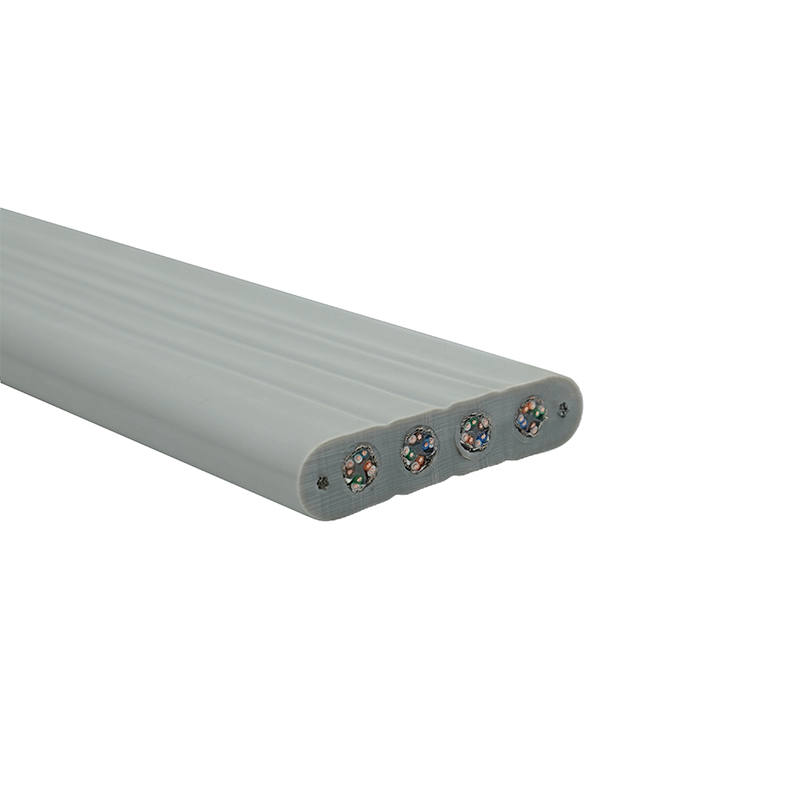
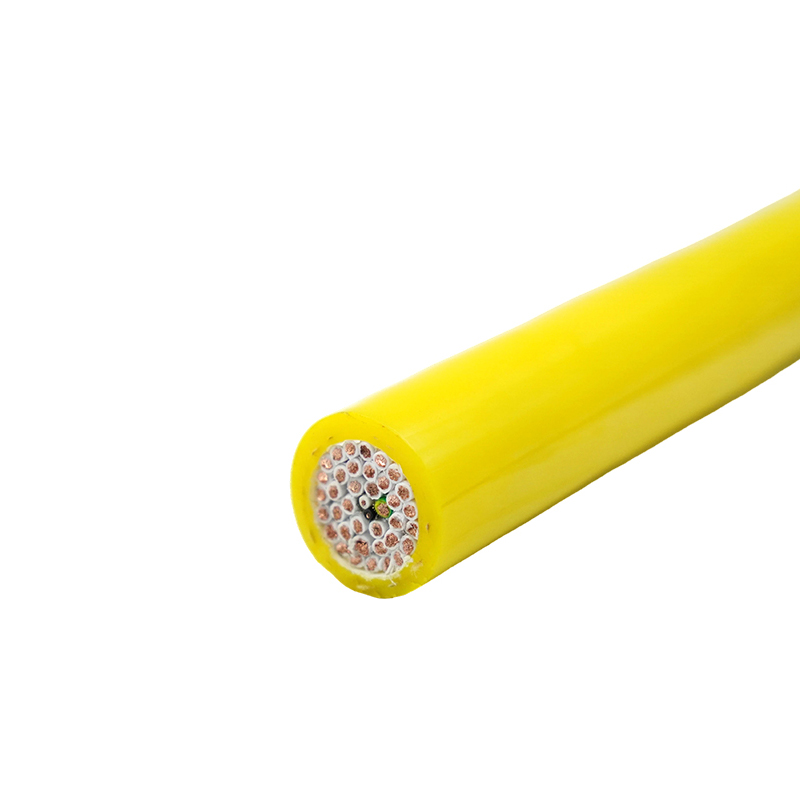 TPU Dual-Sheath Waterproof Crane Reeling CableCrane reel cable for frequent vertical and horizontal winding, with TPU dual-sheath waterproof construction; review voltage, tensile load and oil-resistance evidence for your duty.View Product →
A practical buyer checklist
- State the fluid and concentration. Name the oil or fluid family and any cleaning agents.
- State the temperature and contact mode. Splash, mist, immersion, and wipe-down create different demands.
- Ask for the standard number and edition. “Oil resistant” is not a test method.
- Ask whether the evidence covers the finished cable. Compound data is useful but not always sufficient.
- Check the certificate scope and validity. A management certificate is not a product test report.
- Match the mark to the market. UL, CE, CCC, and ISO 9001 answer different questions.
- Keep a sample and a report on file. A retained sample helps resolve future batch questions.
Our own quality documentation includes CCC, UL, ISO 9001 and CE credentials, and we keep product test records for the compounds and constructions we supply. If you are comparing oil-resistant cables, start with the application rather than the label. You can review our certification library or send the fluid, temperature, and cable construction details to our team for a document check.
Oil resistance is a chain of evidence: the right compound, the right test, the right scope, and the right mark for the market. When those links are clear, a cable specification becomes easier to compare and much harder to misunderstand. The goal is not to collect the most logos; it is to prove that the jacket will survive the fluid it will actually meet.