 EN
EN
 English
 русский
 Español
UL Certified Electrical Cable and Wire: Selection & Compliance Guide
 2025.12.15
 Industry News
Content
- 1 What “UL Certified” Means for Electrical Cable and Wire
- 2 How to Verify UL Certified Electrical Cable and Wire in Real Life
- 3 Choose the Right UL Cable/Wire by Application, Not by a Single Buzzword
- 4 Common UL Standards and Markings You’ll See on Cable and Wire
- 5 Decoding Key Ratings: Voltage, Temperature, Flame, and Material
- 6 Procurement Controls That Prevent Compliance Surprises
- 7 Installation and Handling Practices That Preserve UL Compliance
- 8 Practical Examples: Matching UL Cable Types to Real Projects
- 9 Buyer’s Specification Template for UL Certified Electrical Cable and Wire
- 10 FAQ: UL Certified Electrical Cable and Wire
What “UL Certified” Means for Electrical Cable and Wire
When buyers say “UL certified electrical cable and wire,” they usually mean the product has been evaluated to specific UL safety requirements and is authorized to carry a UL Mark. In practice, UL authorization helps prove that a wire/cable construction (conductor, insulation, jacket, and often flame performance) is suitable for its intended use and that ongoing production is subject to periodic follow-up surveillance.
Two UL Mark types matter most in procurement and inspections:
- UL Listed: Typically complete products intended for field installation (common on many building wires and finished cables).
- UL Recognized Component: Components meant to be installed inside equipment or systems under additional evaluation (common for appliance wiring material and internal hook-up wire).
A practical takeaway: the “right” UL status depends on where the cable will be used. A Recognized component can be perfectly acceptable inside a finished product, while a Listed cable is often expected for building wiring and many field-installed applications.
How to Verify UL Certified Electrical Cable and Wire in Real Life
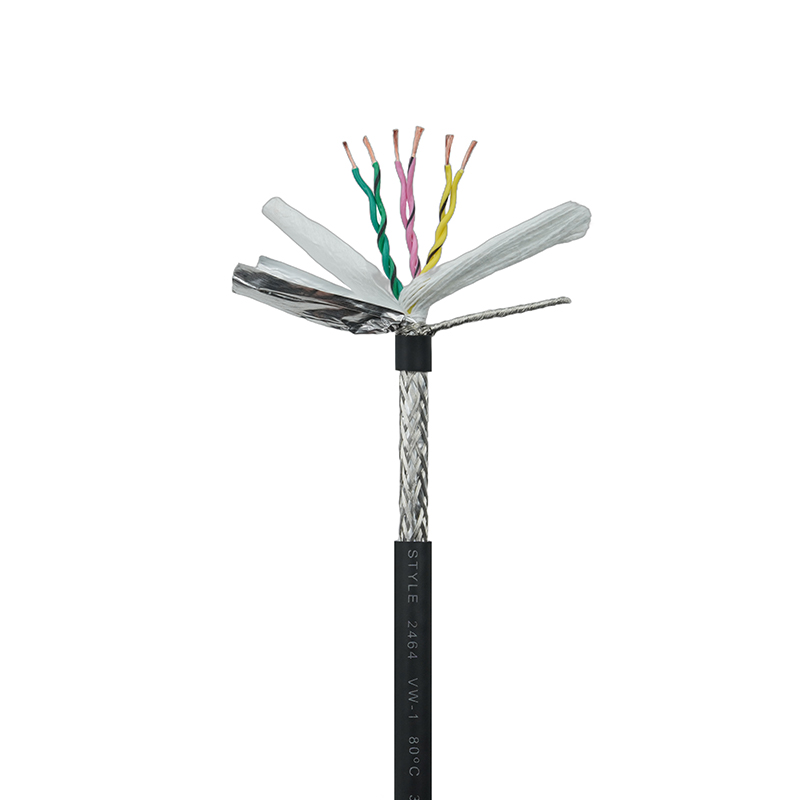
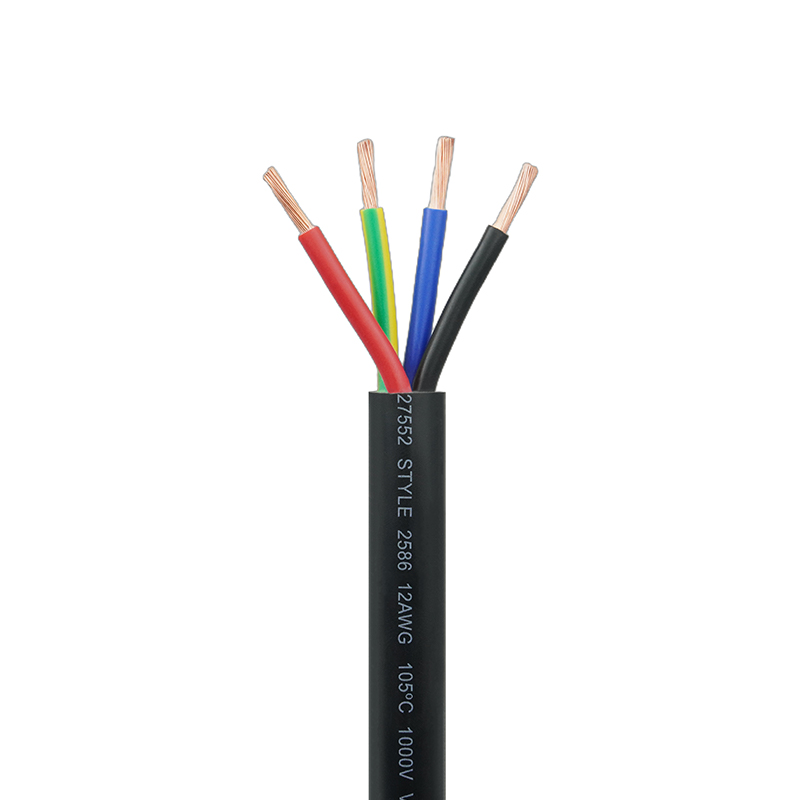
Verification should be done on the jacket/insulation markings, not on a listing claim in a catalog. A compliant print legend typically repeats along the length and includes the UL Mark, electrical ratings, material/type codes, and a traceable manufacturer identifier.
Markings to look for on the cable
- UL symbol and wording such as “UL Listed” or “UL Recognized”.
- A UL file number (often formatted like “E123456”), which is the most actionable identifier for due diligence.
- Electrical ratings: common examples include 300V or 600V, and temperature ratings such as 60°C / 75°C / 90°C.
- Wire/cable type codes (examples: THHN, THWN-2, MTW, AWM, TC, CM/CMR/CMP).
A quick “print legend” example
A typical legend might resemble: 12 AWG CU 600V 90°C THHN/THWN-2 E123456 UL. The specifics vary by product category, but the presence of a UL file number plus coherent ratings is a strong starting point.
Counterfeit risk is real in commodity categories. A simple control that scales: require the supplier to provide the UL file number and cross-check it in UL’s public directory tools before approving a new source or a new construction.
Choose the Right UL Cable/Wire by Application, Not by a Single Buzzword
The keyword intent behind UL certified electrical cable and wire is usually “safe and accepted by inspectors or customers.” The fastest way to get there is to start with the application environment and select a UL category that matches it.
A practical selection checklist
- Location: indoor, outdoor, wet, oily, sunlight exposure, or in a tray/conduit.
- Movement: fixed installation vs. continuous flexing (robots, cord drops, portable tools).
- Electrical: voltage class and expected current; align conductor size (AWG/kcmil) with design and installation constraints.
- Temperature: ambient plus conductor heating; match insulation temperature rating and termination limitations.
- Compliance target: building installation acceptance, OEM internal wiring acceptance, or both.
If your use case includes multiple environments (for example, a machine with internal wiring that exits to a field-installed whip), it can be more effective to specify two distinct constructions rather than forcing one cable to do everything.
Common UL Standards and Markings You’ll See on Cable and Wire
The most useful approach is to recognize the “families” of UL standards that map to how the product is used: building wire, flexible cords, internal appliance/equipment wiring, and communications/data cables.
| UL Standard (Common Category) | What It Covers | Markings You Often See | Where It’s Typically Used | Practical “Gotcha” |
|---|---|---|---|---|
| UL 83 (Thermoplastic-Insulated Wires) | Many building wires | THHN, THWN-2, etc. | Conduit runs, panels, equipment feeds | Termination temperature may limit usable ampacity in practice |
| UL 62 (Flexible Cords and Cables) | Portable/flexible cord sets | SOOW, SJTW, SJOOW | Portable tools, extension-style cords, flexible drops | Cord types differ by jacket oil/water resistance and duty class |
| UL 758 (Appliance Wiring Material) | Internal equipment wire (component) | AWM style numbers | Inside appliances, power supplies, control boxes | Often Recognized, not Listed—ensure it matches your product approval path |
| UL 444 (Communications Cables) | Data/telecom cable performance | CM, CMR, CMP | Network runs, risers, plenums | Plenum (CMP) expectations are stricter than general-purpose (CM) |
If a supplier cannot clearly state which UL standard (or category) the construction is evaluated to, treat the claim as incomplete. The most credible evidence chain is: jacket legend → UL file number → directory confirmation → matching datasheet.
Decoding Key Ratings: Voltage, Temperature, Flame, and Material
UL certification is not a single “pass/fail.” The value is in the specific ratings. Misreading them is a common cause of field failures and inspection rejections.
Voltage rating
Many building wires and industrial cables are marked 600V. Some internal equipment wires and flexible cords may be 300V. Specify the voltage class explicitly in purchasing documents; do not assume equivalency across categories.
Temperature rating
You will commonly see 60°C, 75°C, and 90°C markings. This is not only about ambient temperature; it’s about insulation performance at conductor operating temperature. In many installations, the limiting factor becomes the termination rating (for example, lugs or device terminals), so align cable selection with the entire connection system.
Flame and smoke considerations
For communications cables, designations such as CMR (riser) and CMP (plenum) indicate different flame/smoke performance expectations tied to installation spaces. Selecting “more capable” (e.g., plenum-rated) can be a practical risk-reduction move when routing is uncertain, but it may increase cost.
Conductor material and construction
Specify conductor as copper (CU) or aluminum (AL) and whether it is solid or stranded. For UL certified electrical cable and wire in power applications, avoiding ambiguous descriptions helps prevent substitution risk (for example, mismatched strand class affecting termination performance).
Procurement Controls That Prevent Compliance Surprises
If you buy cable at scale, quality issues tend to be systemic (source substitution, undocumented construction changes, or mislabeled reels). The following controls are pragmatic and auditable.
Minimum documentation to require from suppliers
- Datasheet that clearly lists UL category/standard, ratings, and allowable markings.
- UL file number (E-number) tied to the manufacturer and the specific construction.
- Certificate of Conformance (CoC) referencing the exact part number and revision.
- Lot/traceability fields: reel ID, date code, and manufacturing location when available.
Incoming inspection that scales
- Verify the jacket legend includes the UL Mark and the same E-number as the approved source.
- Spot-check OD/insulation thickness against the approved datasheet tolerances (helps detect silent substitutions).
- Check conductor strand count/diameter class for stranded constructions (termination performance depends on it).
- Quarantine any reel with blurred, missing, or inconsistent print legends; treat it as a nonconformance until resolved.
In regulated projects or customer audits, the strongest single control is ensuring the UL file number on the product matches the approved documentation and remains consistent across lots.
Installation and Handling Practices That Preserve UL Compliance
Even correctly specified UL certified electrical cable and wire can fail in service if installation practices damage insulation or violate the conditions of use. The goal is to preserve the cable’s mechanical integrity and keep the installed system aligned with the ratings on the jacket.
Common field mistakes and how to avoid them
- Over-bending: follow manufacturer guidance on bend radius to prevent microcracking in jackets and insulation.
- Improper stripping: avoid nicking conductors (reduces mechanical strength and can increase heating at terminations).
- Mismatched terminations: ensure lugs/terminals are rated and sized for the conductor type (solid vs. stranded, strand class).
- Heat exposure beyond rating: keep routing away from high-temperature zones unless the insulation temperature rating is appropriate.
A simple operational rule: if the cable jacket is marked 90°C but the termination system is only rated for lower temperatures, treat the connection point as the limiting constraint and design accordingly.
Practical Examples: Matching UL Cable Types to Real Projects
Use examples to align stakeholders (engineering, purchasing, installers) on what “UL certified” should look like in the BOM.
Example 1: Industrial control panel feed in conduit
A common approach is a building wire construction marked for 600V and appropriate temperature rating (often 75°C/90°C classes) with type codes suited to conduit environments. Key purchasing requirement: the print legend must include the UL Mark and a traceable file number.
Example 2: Portable equipment needing oil-resistant flexible cord
For equipment that moves, a flexible cord category is typically more appropriate than building wire. Practical checks: confirm duty class and jacket resistance characteristics match the environment (oil, water, abrasion) and ensure the cord’s voltage rating matches the equipment.
Example 3: Internal wiring inside an appliance or power supply
Internal hook-up wires are often marked as appliance wiring material (AWM). Here, “UL Recognized” is frequently the correct status. The key is ensuring the AWM style and ratings match the end-product certification plan and thermal profile.
Buyer’s Specification Template for UL Certified Electrical Cable and Wire
Use the following fields to prevent ambiguity in RFQs and purchase orders. This structure also makes supplier comparisons and audits easier.
- UL status: Listed or Recognized (state which is acceptable).
- UL reference: standard/category and UL file number (E-number).
- Electrical ratings: voltage class (e.g., 300V/600V) and temperature rating (e.g., 90°C).
- Construction: conductor material (CU/AL), gauge (AWG/kcmil), strand class, insulation/jacket material.
- Environmental: wet location, sunlight resistance, oil resistance, tray/conduit suitability (as applicable).
- Marking requirement: print legend must include UL Mark and E-number along the entire length.
- Quality: CoC required per lot; traceability fields on reel labels.
If you implement only one line item, make it this: “Cable must bear UL Marking and the approved UL file number on the jacket.” It is the fastest way to reduce substitution risk.
FAQ: UL Certified Electrical Cable and Wire
Is “UL certified” the same as “UL Listed”?
In everyday language, people often say “UL certified” to mean “approved by UL.” In documentation, distinguish between UL Listed (finished products for installation) and UL Recognized (components used inside other evaluated products).
Can two cables both be UL marked but not interchangeable?
Yes. Two UL marked products can differ in voltage rating, temperature rating, oil/wet suitability, flame performance category, or intended use. Interchangeability should be based on the specific markings and datasheet alignment, not on the presence of a UL symbol alone.
What is the most reliable single verification step?
Match the jacket legend’s UL file number (E-number) to the approved manufacturer documentation, and keep that E-number controlled in your AVL/BOM process.