
 EN
EN
 English
 русский
 Español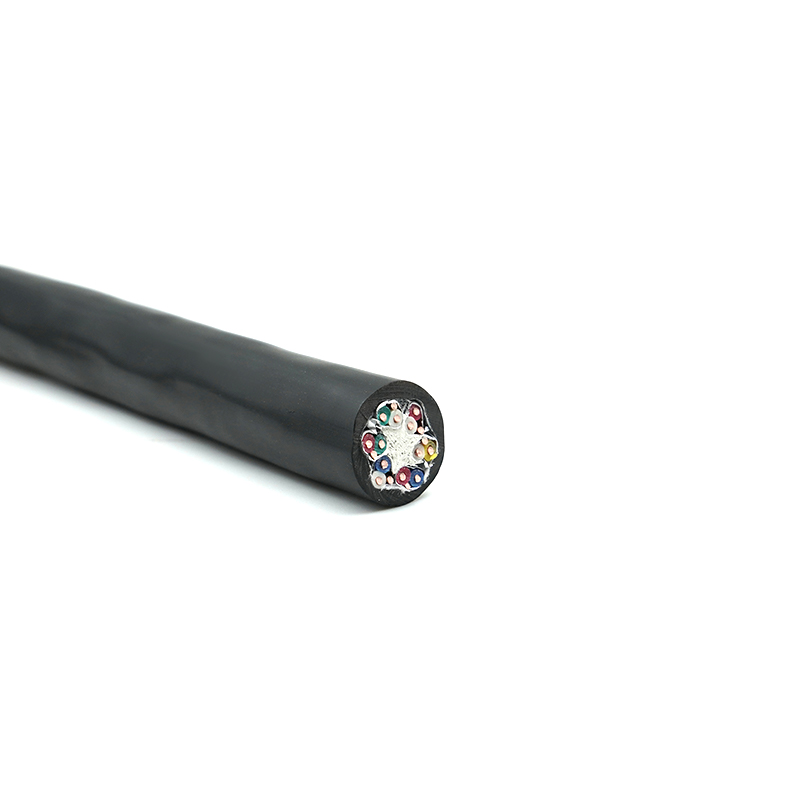

Material choices for flame-retardant computer cables and practical trade-offs
When designing a flame-retardant computer cable, the choice between PVC, LSZH (Low Smoke Zero Halogen), halogen-free polyethylene blends and high-performance fluoropolymers (e.g., PTFE) dictates both fire performance and long-term usability. PVC formulations are inexpensive and can achieve good self-extinguishing behavior with additives, but they can produce corrosive gases and thick smoke when burned. LSZH compounds significantly reduce toxic/harmful off-gassing and smoke density — important for enclosed spaces such as data centers and public transit. PTFE and related fluoropolymers provide the best thermal and flame resistance (continuous-use temperatures and excellent arc resistance) but at higher cost and with different installation stiffness. I recommend selecting the minimum level of flame performance that still meets local regulation and operational priorities; at Junshuai we guide customers to cost-effective LSZH blends for indoor deployments and fluoropolymer jackets for harsh environments.
Standards and test methods you should specify (with practical acceptance criteria)
Demanding a specific standard on purchase avoids ambiguity. For flame propagation and smoke, common tests and how to use them in specs:
- UL94: Use V0 or better for small-sample/component acceptance; V0 indicates short afterglow and no flaming drips.
- IEC 60332 series: Specify vertical flame propagation on a single cable (IEC 60332-1) plus group flame tests (IEC 60332-3) for bundled installations.
- IEC 61034 / EN 61034: Smoke density measurements — request a maximum optical density value for enclosed spaces.
- EN 50525 / CPR classification (EU): Where applicable, include CPR Euroclass (e.g., B2ca, Cca) in procurement requirements.
Practical acceptance criteria: specify both the test standard and the numeric pass thresholds (e.g., IEC 61034 dmax ≤ 0.65, UL94 V0). This avoids vendors quoting ambiguous compliance.
Overall shielded computer cable: construction details that matter
'Overall shielded' means the entire cable bundle has a continuous conductive layer (foil, braid, or both) around all insulated cores. Key construction choices and why they matter:
- Foil shield (aluminum/polyester): provides 100% coverage at low cost and is effective against high-frequency interference but has limited mechanical strength and tear resistance.
- Braid shield (tinned copper): offers excellent mechanical robustness and grounding continuity; braid coverage percentage (e.g., 60–95%) determines low-frequency shielding.
- Combined foil+braid: uses foil for full coverage and braid for mechanical strength and grounding — recommended for critical EMI environments.
- Drain wire: a stranded tinned copper conductor that contacts the shield and makes termination straightforward — always request size and strand count to match termination hardware.
Shield termination and grounding: practical best practices
A shield is only effective if properly terminated. For overall-shielded computer cables:
- Use a dedicated single-point grounding strategy for long runs to avoid ground loops; tie the shield to chassis or protective earth at one end where feasible.
- When both ends must be grounded (building requirements), include common-mode choke or bonding resistors to control circulating currents.
- Ensure the drain wire is long enough and pre-tinned for solder or crimp connections; specify termination kits or ferrules in procurement documents.
EMI/EMC mitigation: cable-level design and system-level measures
Cable choice reduces radiated and conducted emissions but must be combined with system practices:
- Twisting pair geometry: maintain consistent pair lay lengths to preserve differential-mode rejection; avoid pairing high-speed pairs with noisy power conductors in the same overall shield.
- Drain paths and bonding: route drain wires along a single plane and avoid sharp bends; bond to a low-impedance chassis point.
- Cable routing: separate signal/sensitive cables from high-power or variable-frequency drives; cross at right angles when unavoidable.
Thermal and mechanical design considerations for flame-retardant computer cables
Insulation and jacket thickness affect both thermal dissipation and flame performance. Practical guidance:
- Conductor size and insulation: larger conductors reduce I2R losses but require thicker insulation to maintain dielectric strength; verify ampacity in bundled conditions (derating factors apply).
- Jacket flexibility vs. flame performance: high flame resistance often increases stiffness — for tray or plenum installs, specify a minimum bend radius and test for flexibility at installation temperature.
- Aging: UV, heat, and chemical exposure accelerate polymer embrittlement. Request accelerated aging test data (e.g., % tensile retention after 1,000 h at 85°C) for long-life applications.
Smoke toxicity and halogen-free trade-offs — choosing for human safety
Smoke density is only one metric; gas composition under combustion is critical for occupant safety. Halogenated materials release corrosive gases (HCl, HBr) which can damage electronics and harm people. LSZH or halogen-free cables reduce that risk but sometimes sacrifice ease of processing and increase cost. For critical indoor spaces (control rooms, hospitals, aircraft interiors), insist on both low smoke and halogen-free ratings and request vendor MSDS and combustion-product test reports.
Comparison table: jacket materials and key properties
| Material | Flame | Smoke/Toxicity | Flexibility | Cost |
| PVC (flame-retardant) | Good (with additives) | High smoke, corrosive gases | High | Low |
| LSZH / Halogen-free | Good | Low smoke, low acidic gases | Medium | Medium |
| PTFE / Fluoropolymers | Excellent | Very low toxic gases | Low (stiffer) | High |
Installation recommendations for minimizing fire risk and EMI
Practical installation controls reduce both fire propagation and interference:
- Avoid tightly bundling power and high-speed data cables unless shielded separation or conduit is used; heat from power conductors can accelerate jacketing degradation.
- Maintain cable tray fill limits and use fire-stopping at wall/ceiling penetrations with materials compatible with the jacket chemistry.
- Document shield termination points and include a labeling scheme on both ends of runs to aid future maintenance and prevent accidental un-bonding.
Aging, inspection and lifecycle management
Plan for end-of-life: polymers embrittle, shields corrode, and insulation can develop micro-cracks that degrade EMI performance. Recommended program:
- Periodic visual inspections (every 2–5 years depending on environment) for cracking, discoloration, or jacket delamination.
- Electrical spot checks: insulation resistance and continuity for drain/shield to verify integrity after installation and after any event (overtemperature, flood).
- Keep a parts traceability record (batch numbers, supplier reports) — this allows targeted replacement if a specific lot shows accelerated aging.
Specifying Flame Retardant Computer Cable and Overall Shielded Computer Cable: a checklist for procurement
Use this condensed checklist in RFQs to get apples-to-apples quotes:
- Exact standard references required (e.g., IEC 60332-1, UL94 V0, EN 61034) and numeric pass thresholds.
- Shield type and coverage (foil %, braid %), drain wire size and location.
- Jacket material, halogen-free requirement, and continuous operating temperature rating.
- Ampacity derating tables for bundled installation and max recommended tray fill.
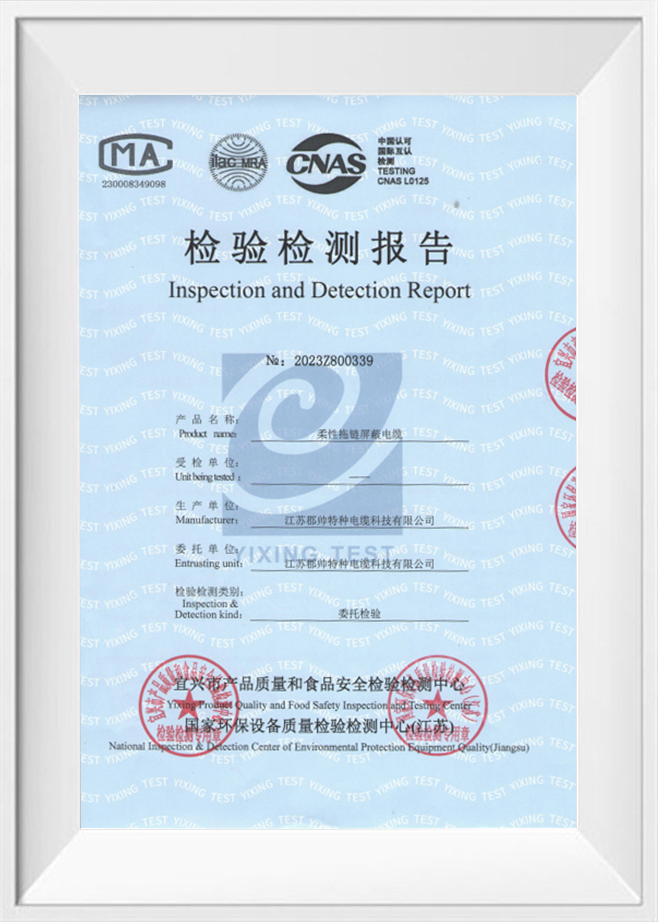
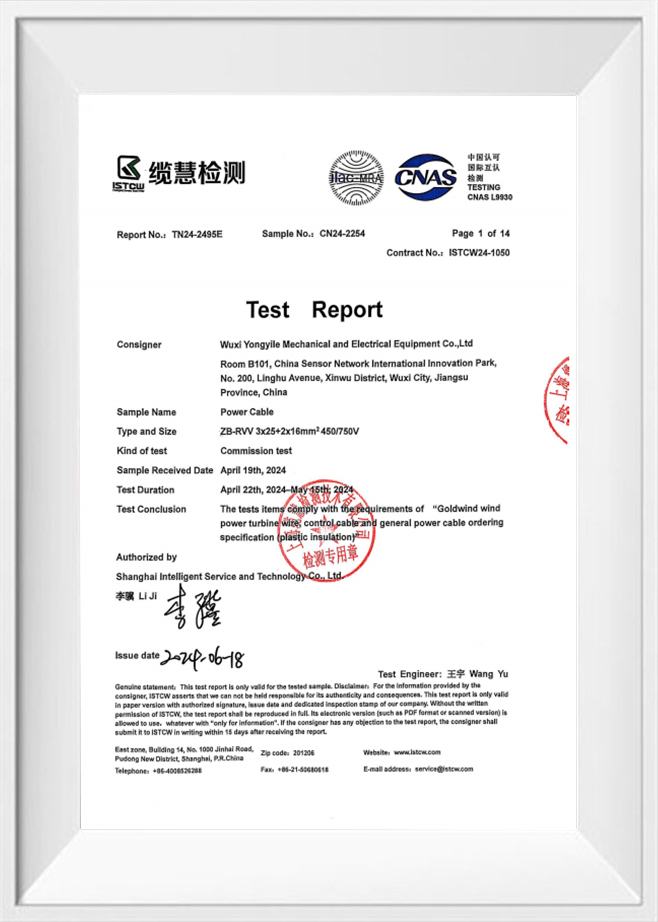
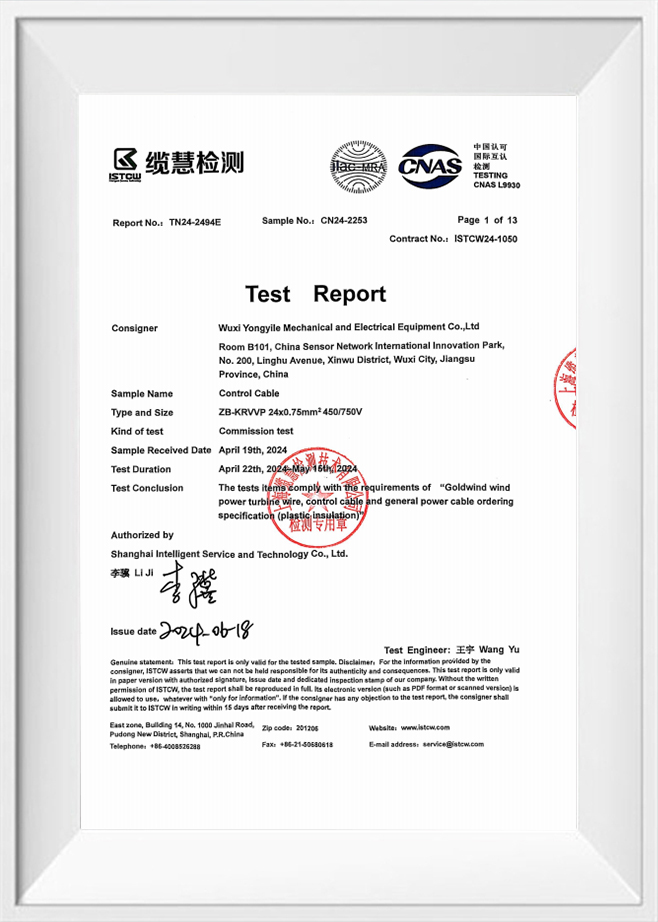
- Request sample test reports and MSDS for the exact material lots proposed.
If you want, Junshuai can provide tailored sample cables and test documentation so you can validate performance in your specific environment — we usually help customers run targeted acceptance tests to match their operational needs.
When to choose combined solutions: examples from real deployments
Examples where combined flame-retardant and overall shielded construction is the right choice:
- Data centers with hot/cold aisles where both smoke/toxicity and EMI (from dense power electronics) are concerns — choose LSZH jacket + foil+braid shield.
- Public transit and rail vehicle cabling where flame propagation and low toxic emissions are mandatory and mechanical abuse demands braid reinforcement.
- Industrial control rooms adjacent to VFDs where EMI suppression reduces nuisance trips and flame retardance reduces fire spread risk.
Final practical tip
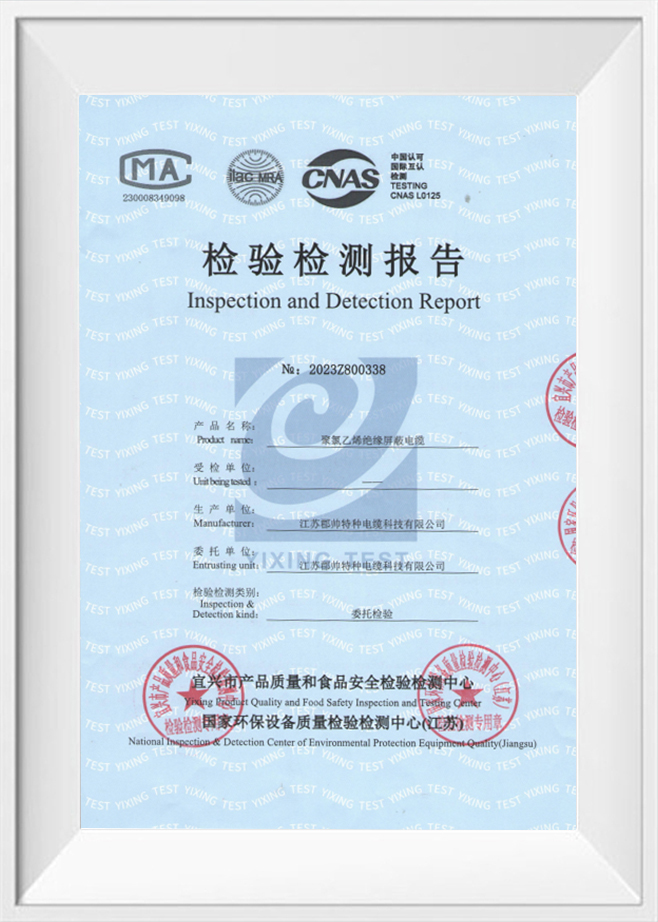
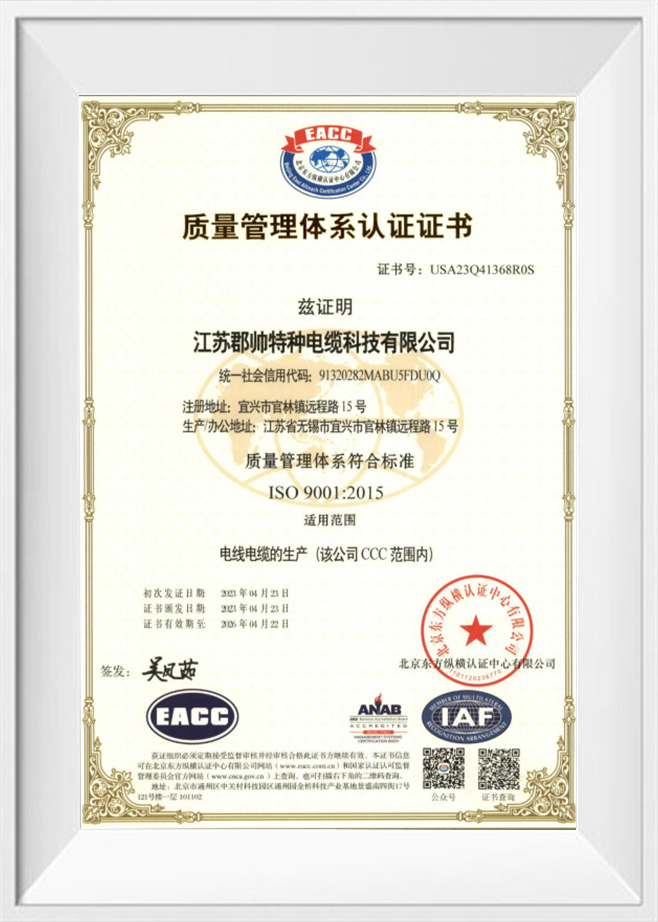
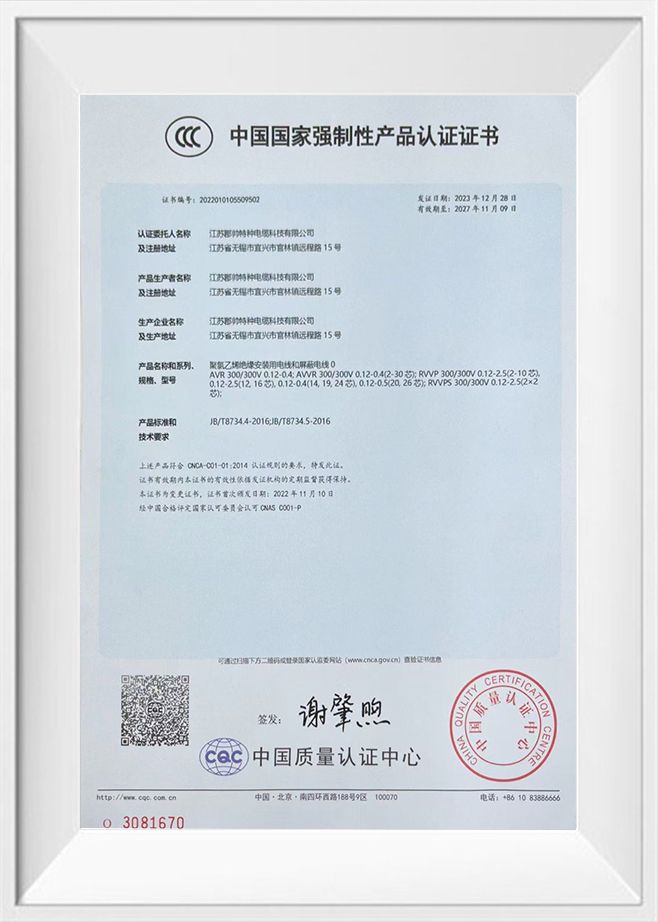
Specify the real-world installation constraints (bend radius, tray fill, exposure to oils/UV) together with flame/EMI requirements in the procurement document; vendors who provide matched test reports and sample parts for in-situ testing save you time and reduce retrofit risk. At Junshuai, we welcome on-site or lab validation of our Flame Retardant Computer Cable and Overall Shielded Computer Cable designs — we work with customers to produce exactly the cable construction they need, backed by CCC, UL, ISO9001 and CE documentation.