
 EN
EN
 English
 русский
 Español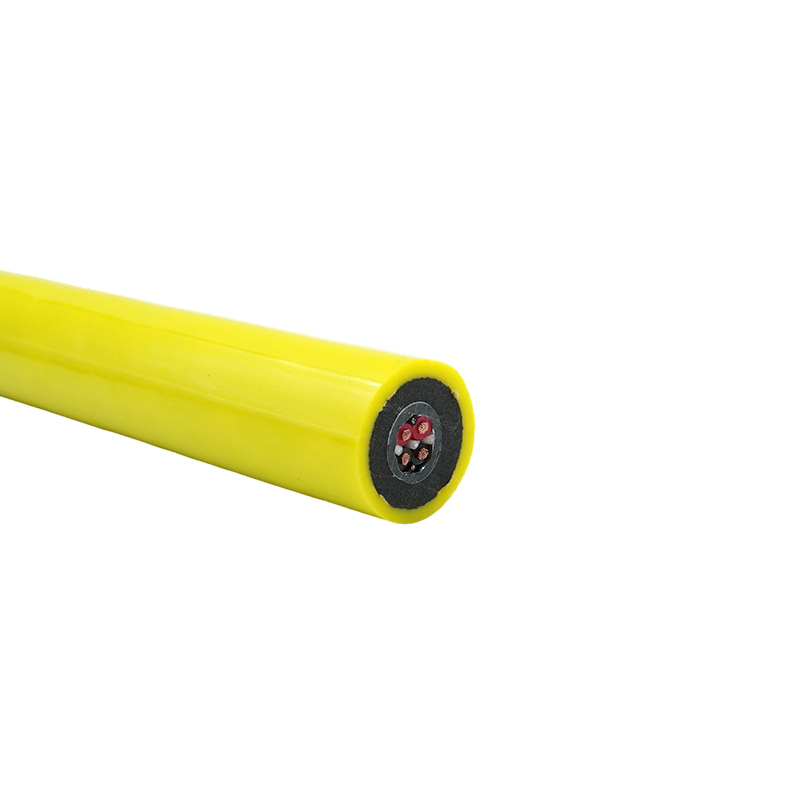

How do the Floating Cables from Jiangsu Junshuai maintain buoyancy under heavy loads or long-distance deployments?
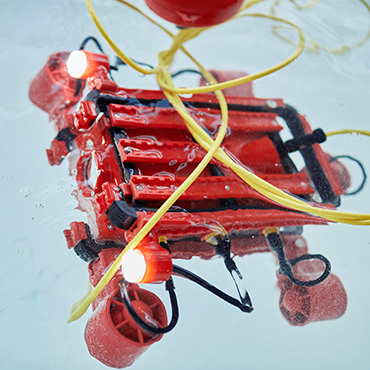
Floating cables—also known as buoyant cables—are widely used in aquatic and near-water environments where both electrical transmission and stable surface positioning are required. Whether used in floating photovoltaic systems, aquaculture monitoring, or water-surface robotic applications, the ability of these cables to maintain reliable buoyancy is a key design consideration. When deployments stretch across long distances or involve additional loads from fixtures, connectors, or environmental forces, buoyancy performance becomes even more critical.
Understanding What Enables a Cable to Float
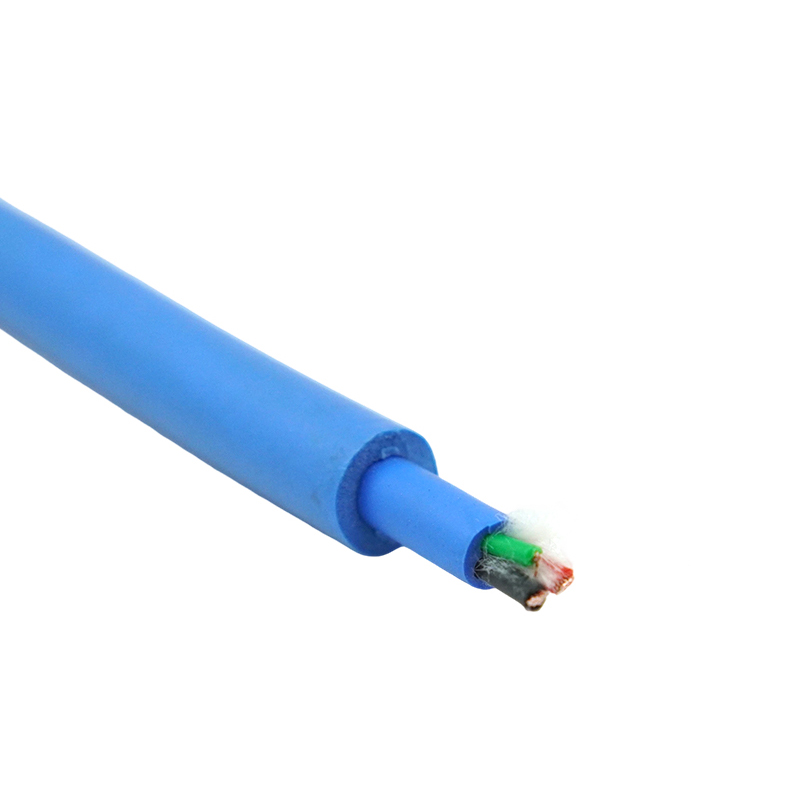
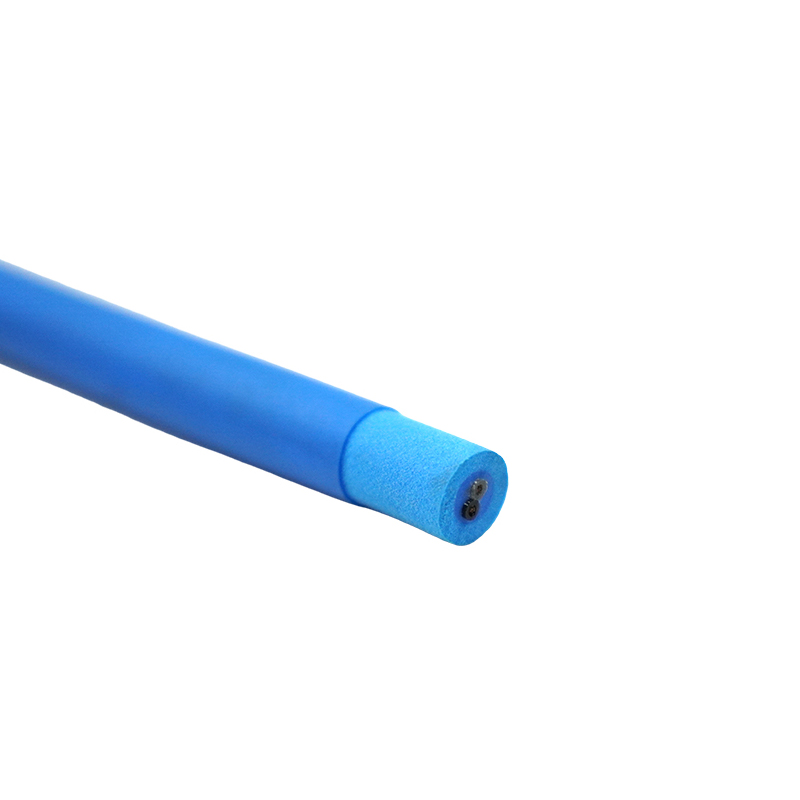
Buoyant Cables achieve buoyancy by reducing their overall density so that the average density of the cable remains lower than that of water. Manufacturers typically use:
- Foamed sheaths, such as foamed PUR, which incorporate micro-bubbles or cells that lower material density
- Low-density fillers, added around conductors and insulation to reduce weight and increase displacement
- Outer jackets in high-visibility colors, such as orange or yellow, which provide safety and easy identification on water
These design features ensure that the cable remains at or near the water surface, enabling stable signaling or power supply even in moving water.
How Buoyancy is Preserved Under Heavy Loads
Although Floating Cables are engineered to be inherently buoyant, real-world applications introduce additional stresses. Junshuai’s floating cable designs address these challenges through several engineering strategies:
1. Optimized Buoyant Material Ratio
When extra load is applied—such as connectors, sensors, or anchoring points—the cable must compensate with additional buoyant mass. Junshuai employs controlled ratios of foamed PUR and lightweight fillers to ensure that even with accessory weight, the cable’s net density remains below water density.
2. Mechanical Reinforcement Without Excess Weight
To withstand tension, abrasion, or bending over long distances, cables often require reinforcement. Instead of heavy armor layers that could compromise buoyancy, lighter-strength yarns and advanced polymer reinforcements are used. This maintains mechanical durability without significantly increasing mass.
3. Customized Structure for Load-Specific Requirements
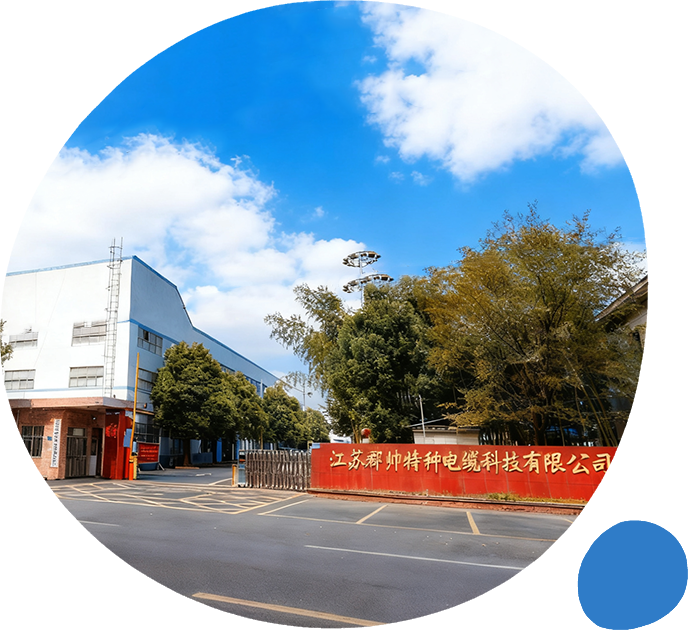
Jiangsu Junshuai Special Cable Technology Co., Ltd. offers customized waterproof floating cable designs. For projects involving especially long cable runs or heavy attachment loads, the structure can be modified—such as increasing buoyant fillers or adjusting sheath foaming density—to meet exact buoyancy requirements.
Maintaining Buoyancy Over Long Distances
When Buoyant Cables extend hundreds of meters or more, buoyancy must be consistent from end to end. Several factors contribute to long-distance performance:
1. Stable Material Behavior
Foamed PUR and similar sheath materials used by Junshuai maintain their cell structure over time. This prevents water absorption and keeps buoyancy characteristics stable—even with prolonged environmental exposure.
2. Waterproofing and Corrosion Resistance
Floating Cables operate in environments where corrosion, marine growth, or repeated wet-dry cycles can compromise insulation. High-quality waterproof structures and corrosion-resistant outer jackets help preserve the cable’s physical integrity—and therefore its buoyancy—throughout deployment.
3. Resistance to Compression
Long cable lengths can cause compressive forces when coiled, dragged, or deployed around structures. Anti-compression fillers and robust sheathing ensure that the foamed materials do not collapse, maintaining floatation.
Where Junshuai’s Manufacturing Strength Matters
Jiangsu Junshuai Special Cable Technology Co., Ltd. brings several manufacturing capabilities that directly support the performance of Buoyant Cables in heavy-load or long-span applications:
- Advanced domestic production and testing equipment, ensuring consistent foaming, precise filler distribution, and stable mechanical performance
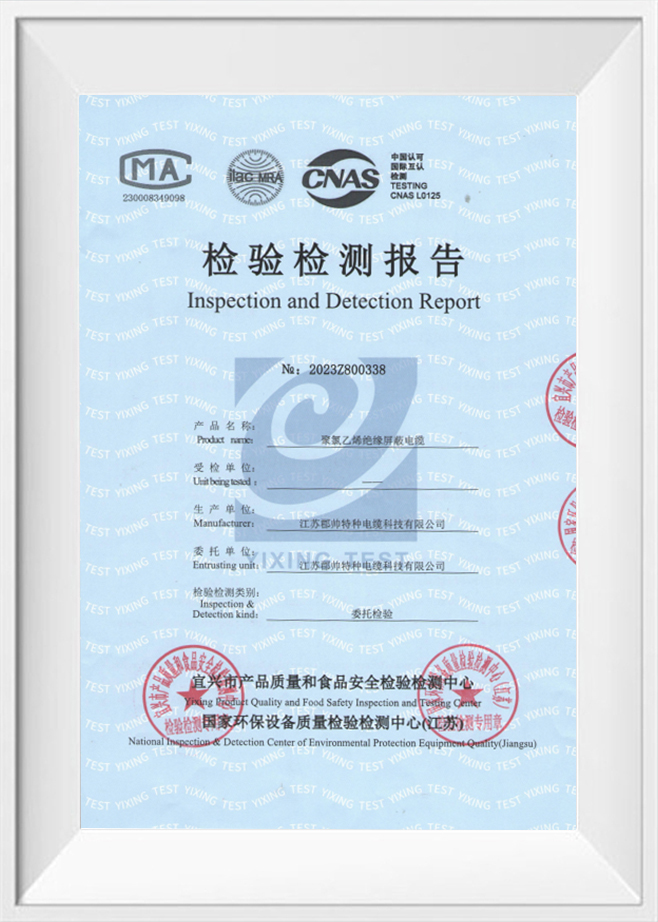
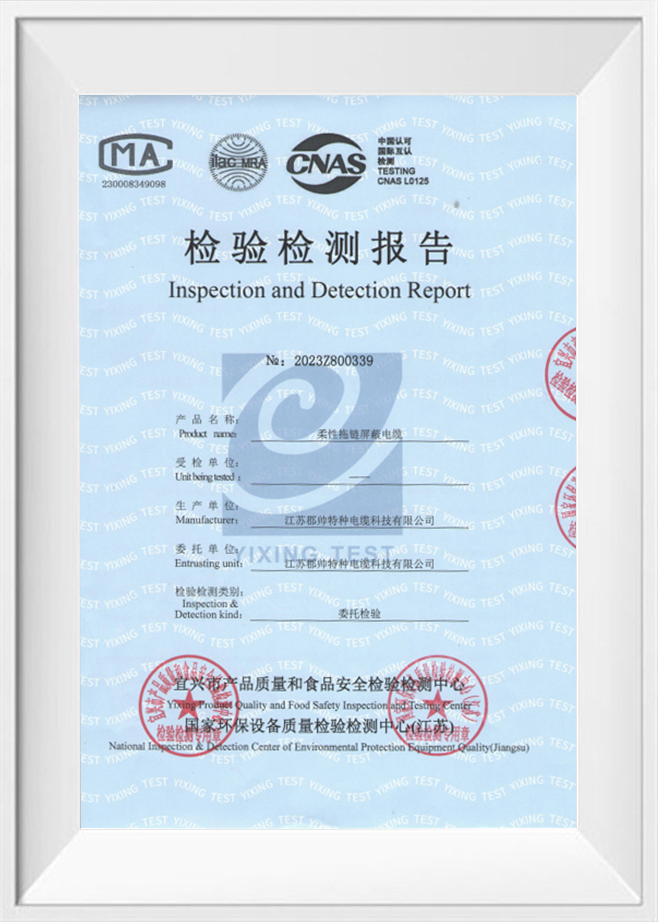
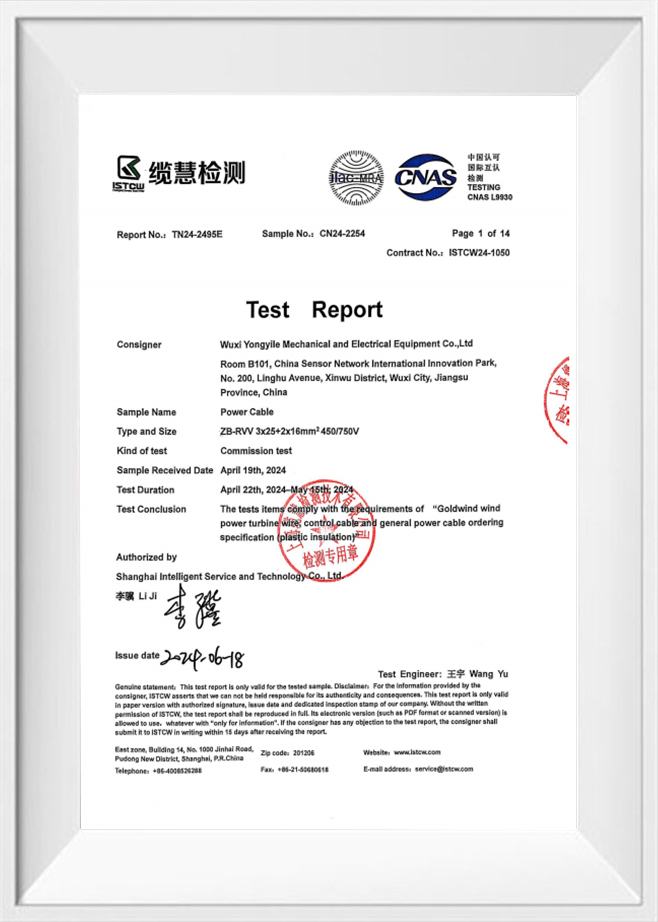
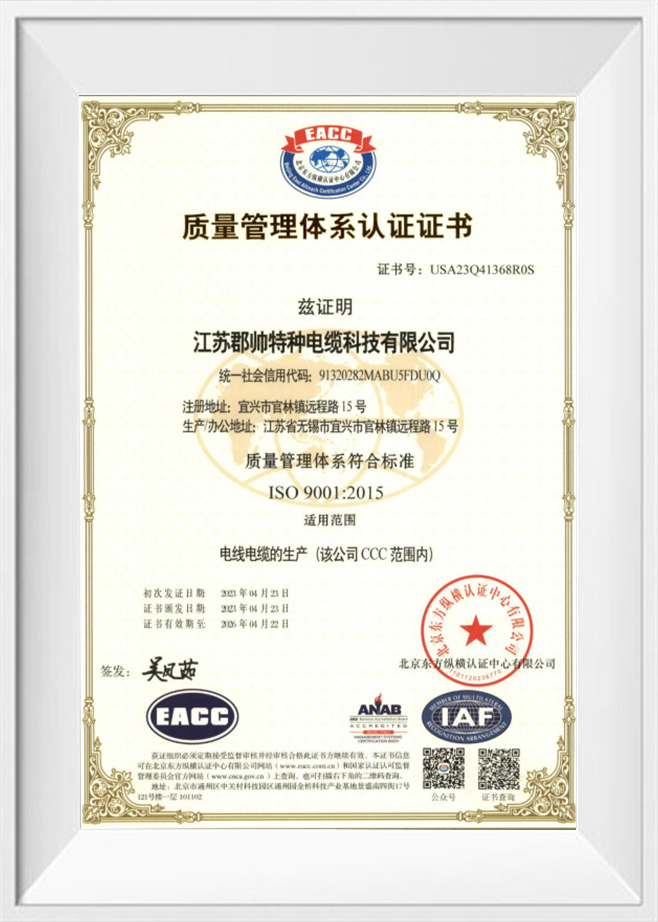
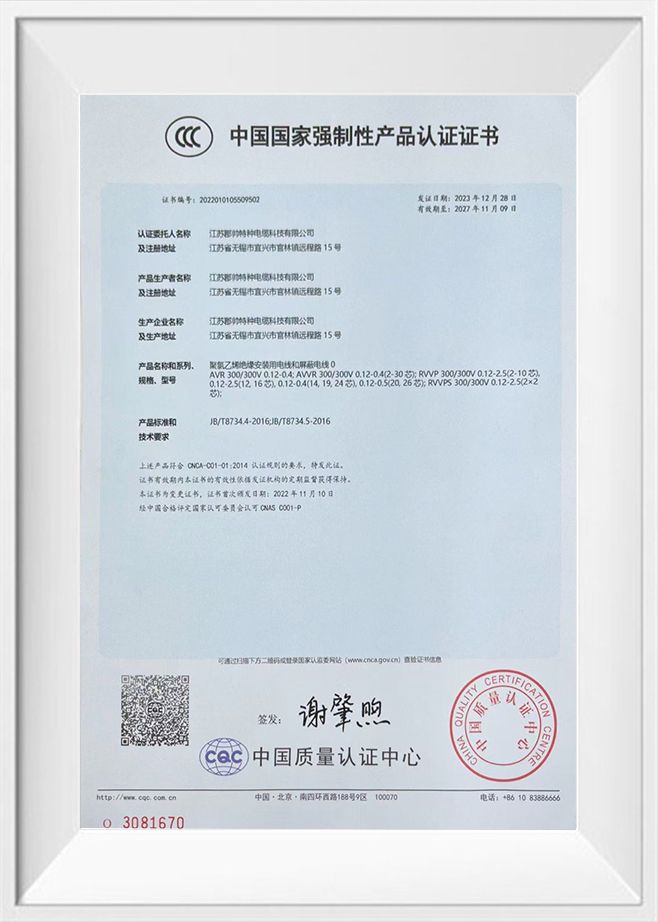
- Certifications including CCC, UL, ISO9001, and CE, which confirm the reliability and safety of their cable structures
- Experience across multiple cable categories, such as drag chain cables, PUR reel cables, crane flat cables, coaxial cables, high-/low-temperature cables, and customized mobile specialty cables
- A commitment to continuous improvement, focusing on practical performance rather than promotional claims
These capabilities allow Junshuai to design and produce Floating Cables tailored to real application environments, not generic one-size-fits-all solutions.
Practical Considerations for Buyers
If you are planning to use Buoyant Cables in a project involving long-distance deployment or significant load, consider the following:
- Specify the expected load (sensors, connectors, strain-relief components) so buoyancy can be accurately engineered
- Describe the water environment, including salinity, temperature, and whether the cable will encounter currents or waves
- Request customization if off-the-shelf buoyancy performance is insufficient for your scenario
- Confirm long-term waterproofing requirements for continuous or intermittent submersion
Manufacturers like Junshuai can adapt buoyant structures to ensure the cable performs as expected in your specific conditions.
Conclusion
Floating Cables maintain buoyancy through careful material selection, optimized density control, and structural design that balances strength with light weight. When deployed under heavy loads or across long distances, these factors become even more important.
With its specialized production capabilities, advanced testing equipment, and experience in custom cable engineering, Jiangsu Junshuai Special Cable Technology Co., Ltd. provides Buoyant Cables designed to remain buoyant, durable, and reliable throughout demanding aquatic applications.