
 EN
EN
 English
 русский
 Español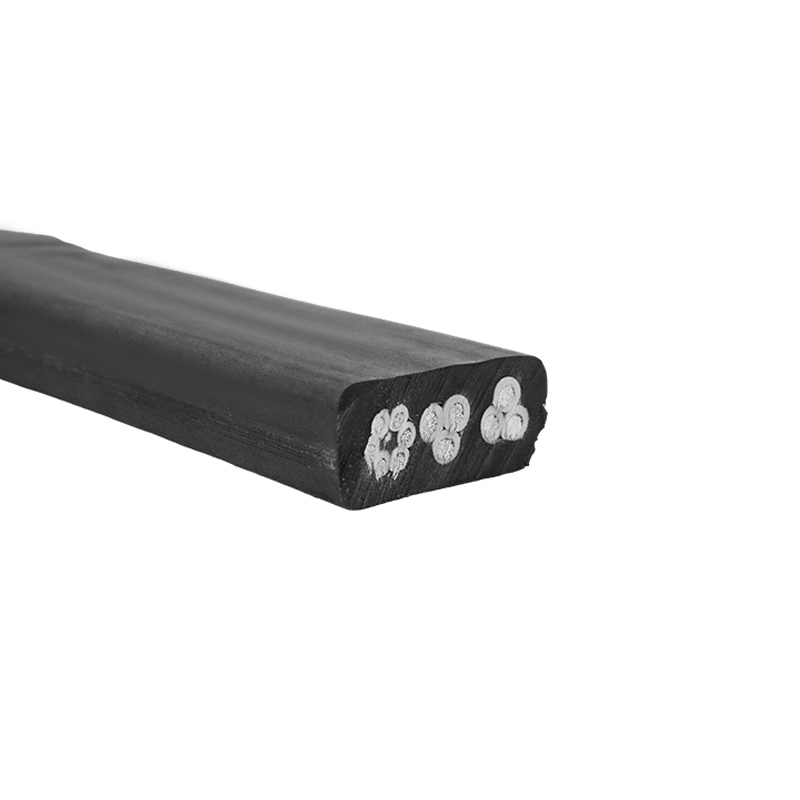


Selecting the Right Rubber Sheathed Cable for Mobile and Outdoor Equipment
Choosing the appropriate rubber compound for field conditions
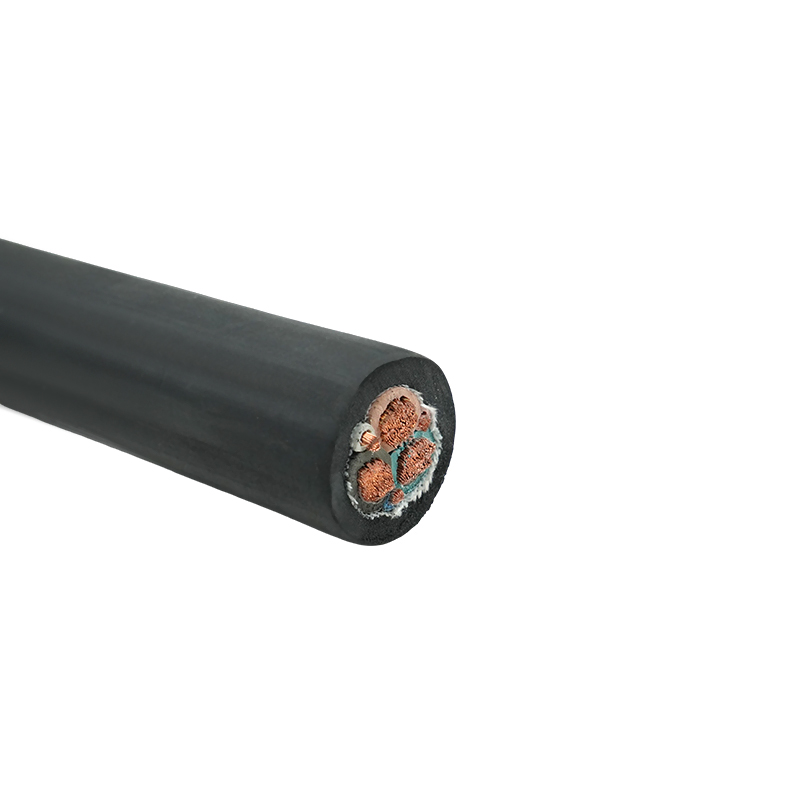
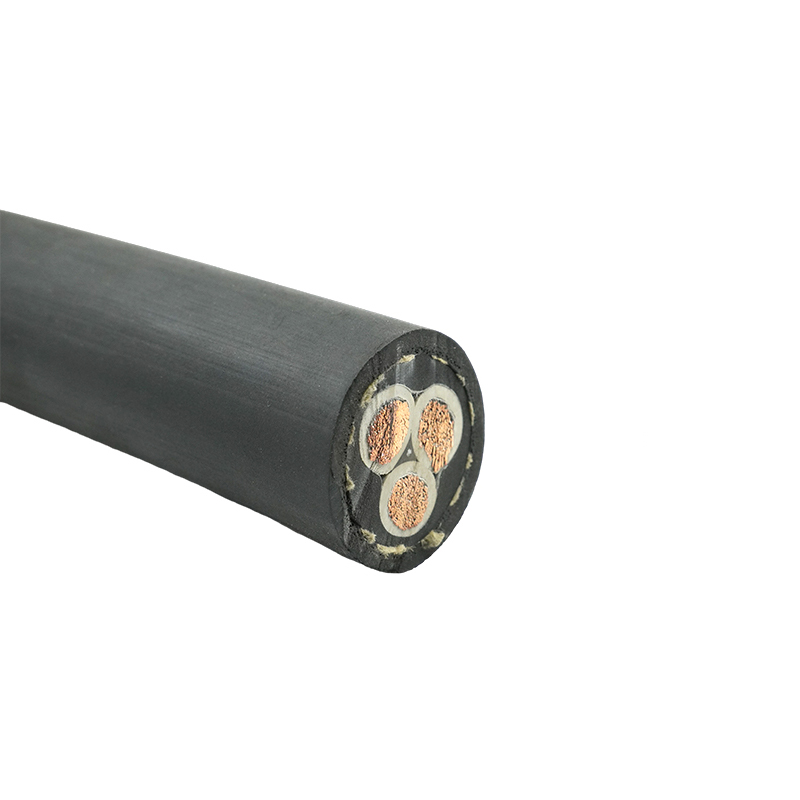
Different rubber compounds change the real-world durability of Rubber Sheathed Flexible Cables. Neoprene provides balanced weather and ozone resistance, good mechanical toughness and a useful lifespan in outdoor temporary power and mobile equipment applications. Nitrile rubber (NBR) improves resistance to oils and fuels, so it suits cable runs near hydraulic systems or fuel lines. Natural rubber offers high flexibility at moderate cost but ages faster under UV and ozone exposure. When selecting a cable, match the rubber type to the dominant stress — oil exposure, sunlight/UV, ozone, or repeated flexing — instead of choosing by price alone.
Stranded conductor design and its impact on flexibility and fatigue life
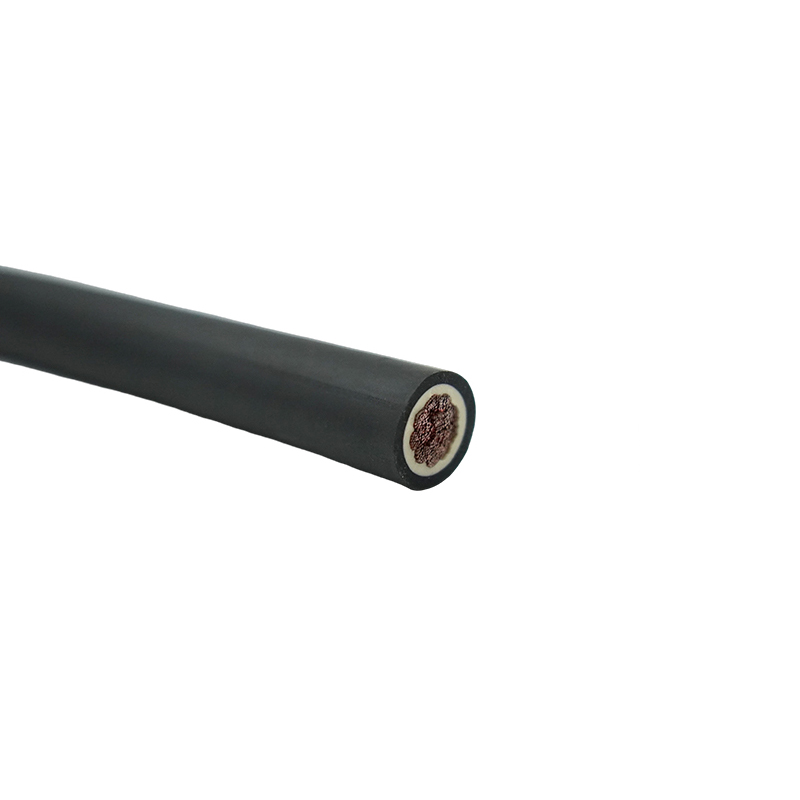
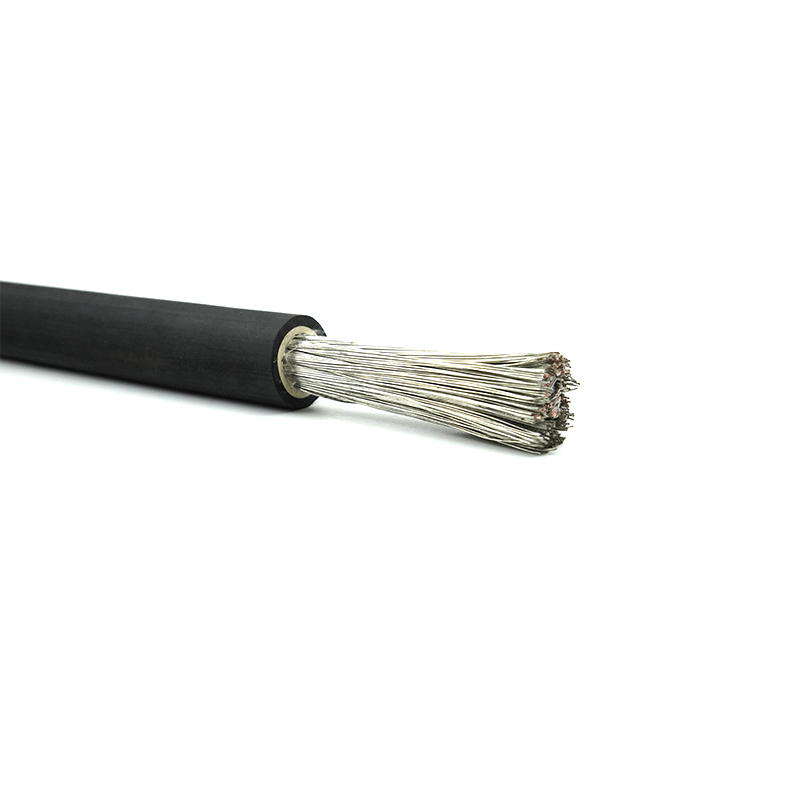
Fine-stranded copper conductors improve handling and bending radius of Rubber Sheathed Cables. More strands reduce bending strain on each individual wire and lower the chance of fatigue failure in continuous-flex service, such as drag chains or reel applications. For very high flex cycles, consider class H or extra-fine-stranded constructions and verify conductor lay direction relative to cable movement to reduce untwisting or internal abrasion.
Temperature and environmental operating ranges: practical selection tips
Rubber Sheathed Flexible Cables commonly operate between −30°C and +60°C. When the application includes short temperature spikes or prolonged exposure at the extremes, choose a cable rated beyond the expected ambient to reduce premature hardening or embrittlement. For cold-start flexing (below −20°C), check the material’s low-temperature flexibility specification and request sample bend tests at the lower limit. If the installation faces both oil exposure and low temperatures, prefer nitrile-blend compounds designed for retained flexibility in oil-contaminated environments.
Abrasion, mechanical protection and conduit choices
When cables run along crane booms, mobile equipment, or temporary outdoor work sites, abrasion is a leading cause of failure. Evaluate whether the cable will rub against sharp edges, gravel, or moving parts. Where abrasion risk is moderate, a thicker rubber sheath or an outer protective sleeve can add service life. For heavy abrasion, use cables with specific abrasion-rated outer layers or add external armor or conduit. Remember that adding conduit changes bending radius and may reduce flexibility; test the assembly under representative motion cycles.
Application-focused classification and selection checklist
- General-purpose mobile use — prioritize flexibility, moderate abrasion resistance and a validated temperature range for seasonal outdoor use.
- Mining applications — choose mining-rated Rubber Sheathed Cables with heavy mechanical protection, enhanced abrasion resistance and approvals for underground use where required.
- Marine and offshore — focus on UV, salt spray and oil resistance, plus flame retardancy and relevant marine certifications.
- Reel and drag-chain service — request extra-fine-stranded conductors, optimized conductor lay and tests that simulate continuous flex cycles.
- Temporary outdoor power — prioritize weather resistance, easy handling and clear marking for rapid installation.
Quick comparison table: common rubber sheaths
| Sheath Type | Best suited for | Key advantage | Limitations |
| Neoprene | General outdoor, mobile equipment | Good all-around weather and ozone resistance | Moderate oil resistance |
| Nitrile (NBR) | Hydraulic/oil-exposed zones, workshops | Superior oil and fuel resistance | Less UV longevity than neoprene |
| Natural rubber | Flexible applications with low UV exposure | High initial flexibility and cost-effectiveness | Susceptible to ozone and UV degradation |
Certifications and testing to request from suppliers
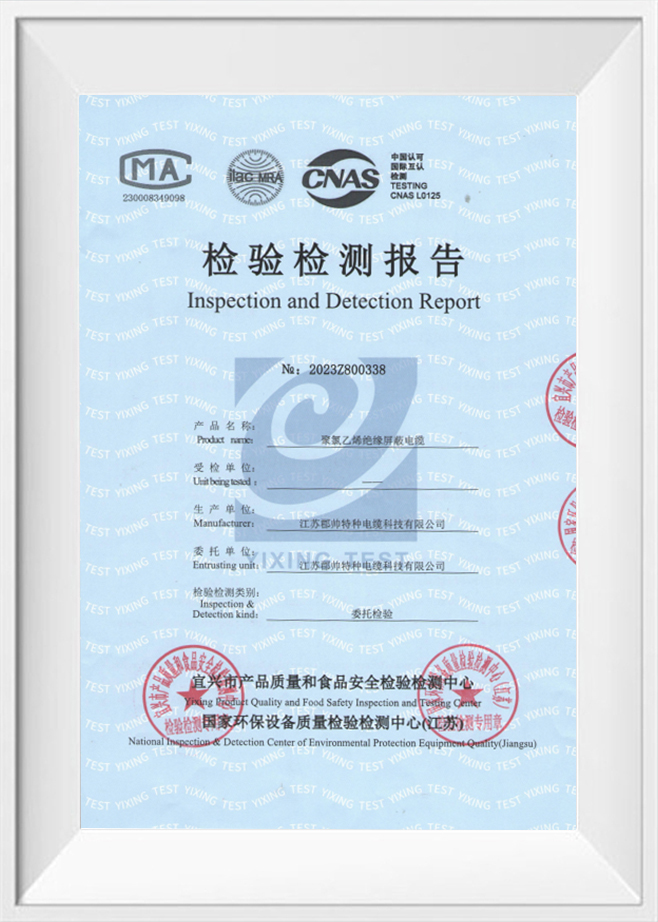
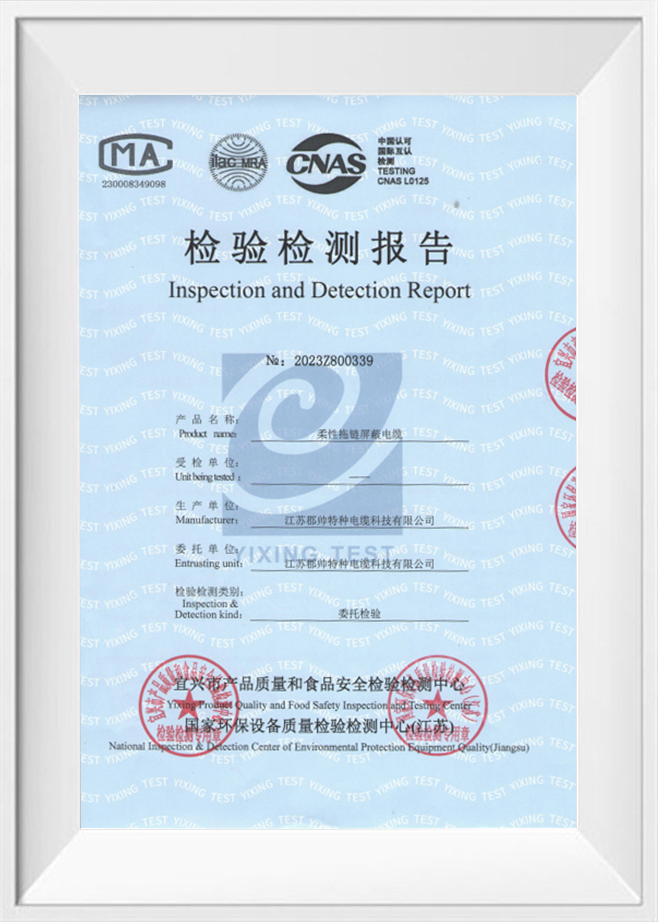
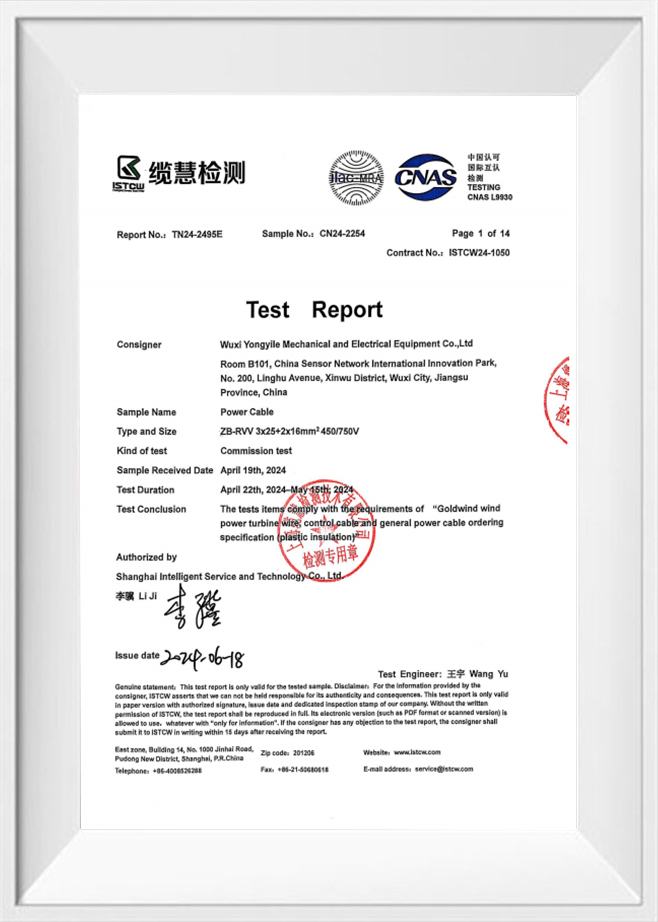
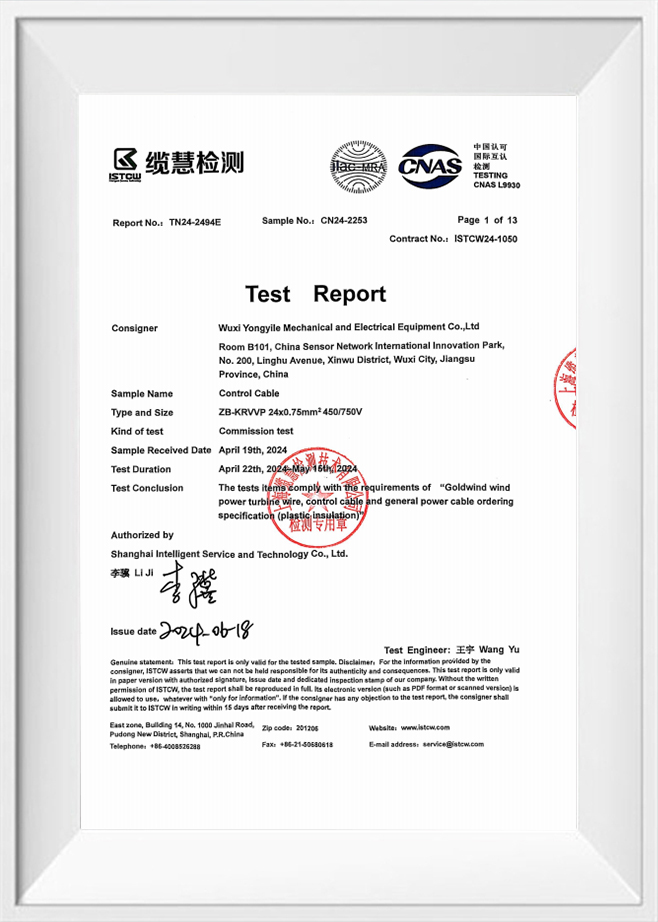
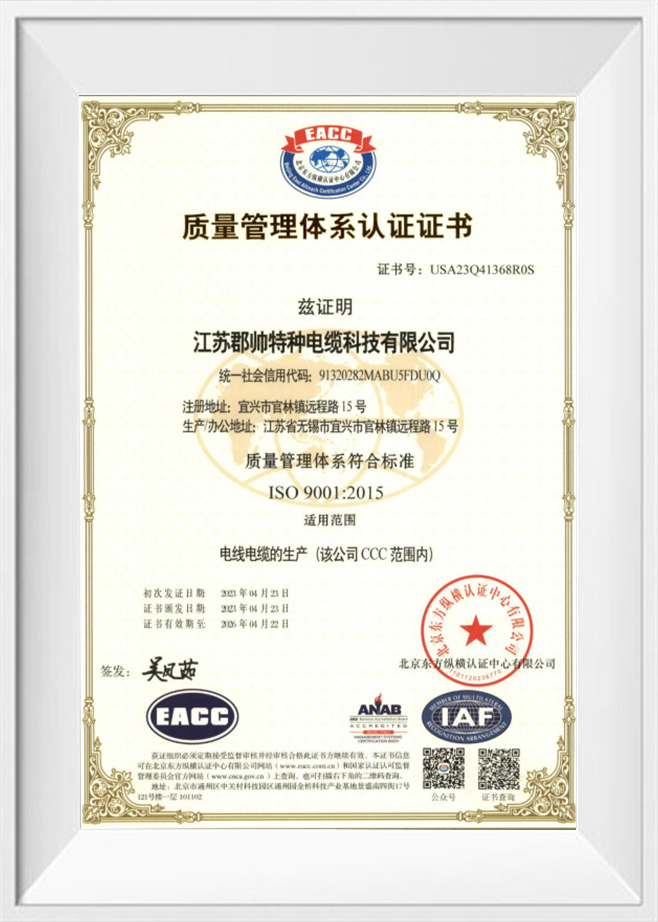
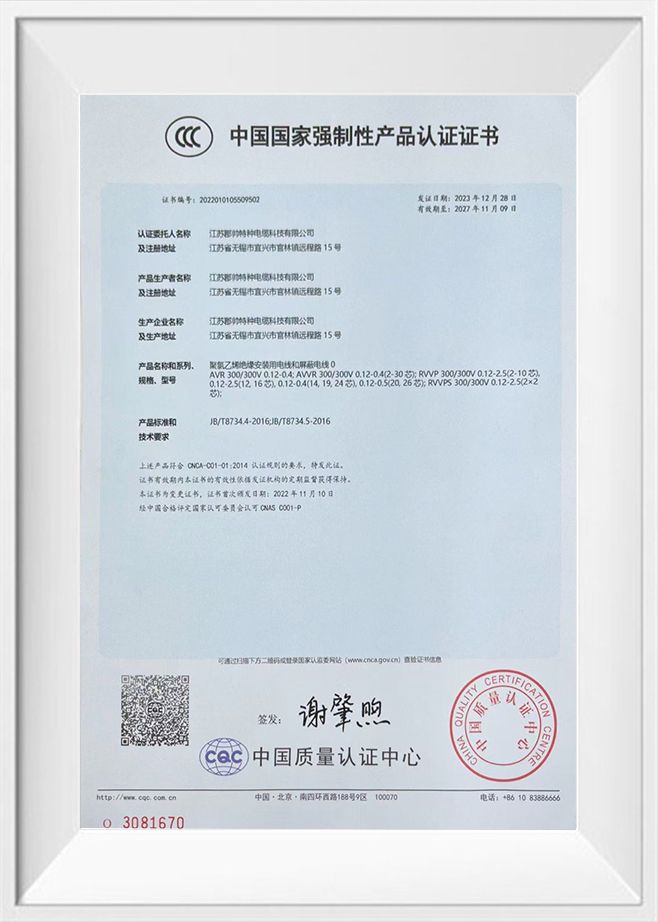
Ask suppliers for documented results of flex tests, abrasion tests and the certifications that matter for your market: CCC, UL, ISO9001, CE and any industry-specific approvals for mining or marine service. For customized Rubber Sheathed Flexible Cables, request sample parts and a test protocol that reproduces the expected duty cycle, including temperature extremes and oil exposure. When a supplier like Jiangsu Junshuai Special Cable offers custom solutions, check their production and testing equipment claims and verify representative test data before large orders.
Installation and on-site handling practices that extend service life
- Avoid sharp-edge contact by using rounded cable clamps and protective grommets at penetration points.
- Prevent sustained bending near terminations; provide proper bending relief and observe the cable’s minimum bending radius.
- Keep cable surfaces clean of aggressive chemicals; regular cleaning reduces surface degradation and reveals early damage.
- Label and document cable routes and duty cycles so replacements match operational demands rather than stock items chosen by size alone.
Customization options and working with a manufacturer
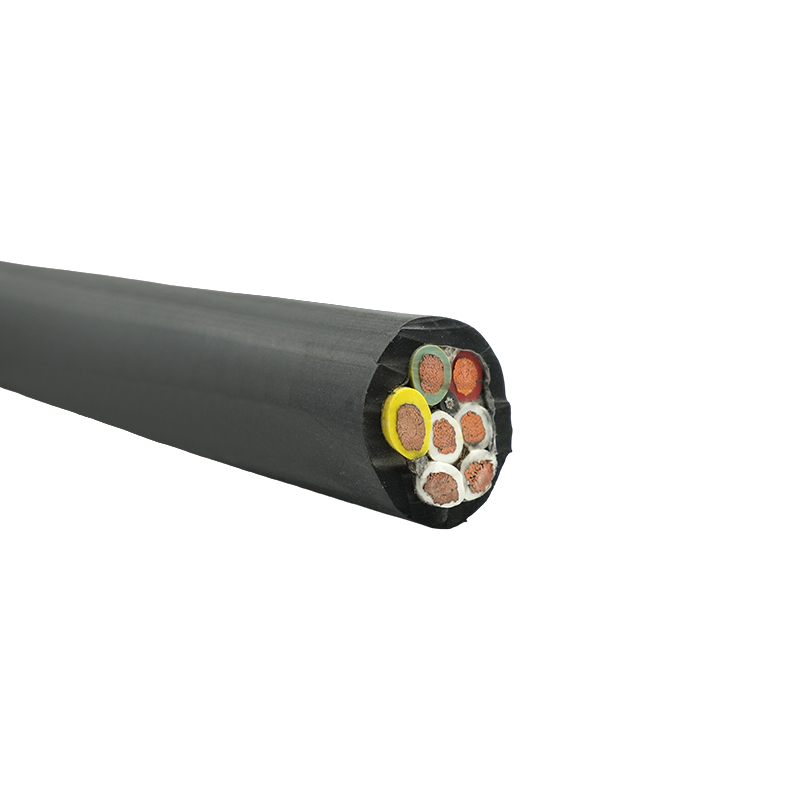
For specialized applications, consider custom Rubber Sheathed Cables designed with altered conductor counts, bespoke insulation thickness, chemical-resistant compounds or integrated shielding. A manufacturer focusing on special cables can adapt constructions for drag chains, crane reels or floating cables. When evaluating suppliers, request production traceability, sample testing and references from similar projects. Suppliers that hold CCC, UL, ISO9001 and CE certifications typically have standardized processes that support repeatable quality for custom runs.
Failure modes to inspect and how to diagnose them
Common failure modes include conductor breakage from repeated flexing, sheath cracking from UV/ozone exposure, and chemical swelling from incompatible oils or solvents. Use a simple visual and mechanical inspection routine: flex the cable gently in cold conditions to detect embrittlement, look for surface pitting or cuts that expose insulation, and measure insulation resistance for moisture ingress. Early diagnosis helps avoid catastrophic downtime in mobile and outdoor equipment.
Practical procurement checklist before placing an order
- Confirm the rubber compound and its suitability for the dominant exposure (oil, UV, abrasion, temperature).
- Request flex-life and abrasion test reports tied to the intended duty cycle.
- Verify conductor class (number of strands) and minimum bending radius for reel or drag-chain use.
- Check certifications—CCC, UL, ISO9001, CE—and ask for sample certificates and factory test logs.
- Agree on marking, packaging and protective measures for shipment to reduce handling damage on arrival.
Closing practical note on supplier selection
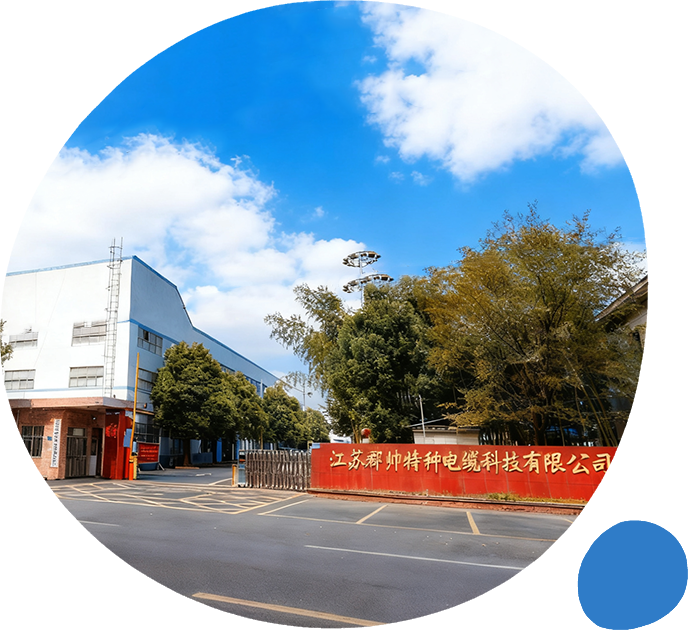
When seeking Rubber Sheathed Flexible Cables, prioritize suppliers who can demonstrate relevant test data and who produce specialty cable types similar to your application—drag chain cables, PUR reel cables, crane flat cables or floating cables. Jiangsu Junshuai Special Cable Technology Co., Ltd., as an example, lists customization capabilities and multiple certifications; use that information as a starting point, but always validate with samples and test reports tailored to your specific working conditions.