
 EN
EN
 English
 русский
 Español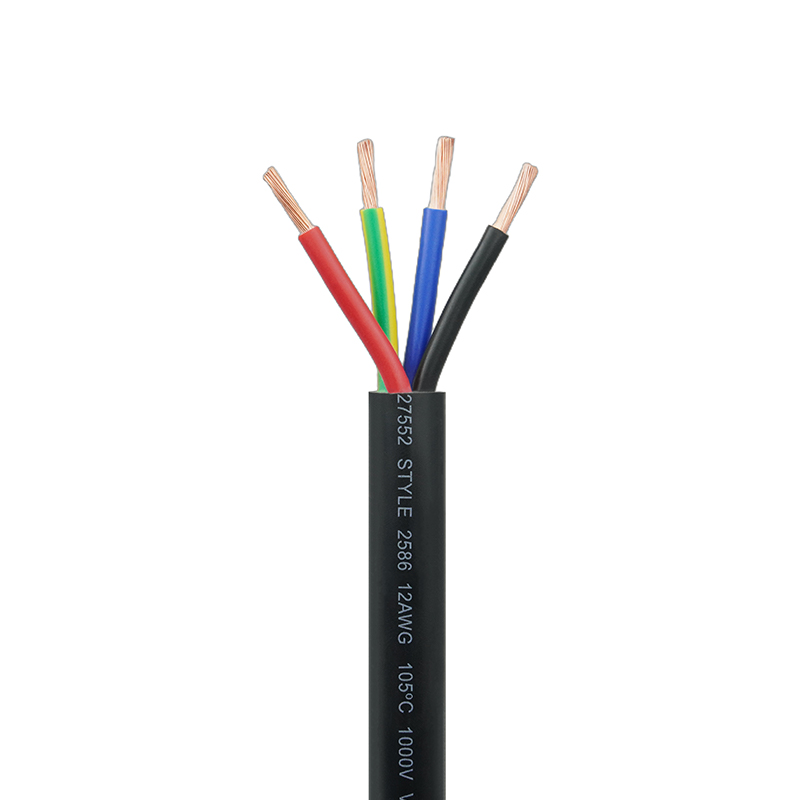
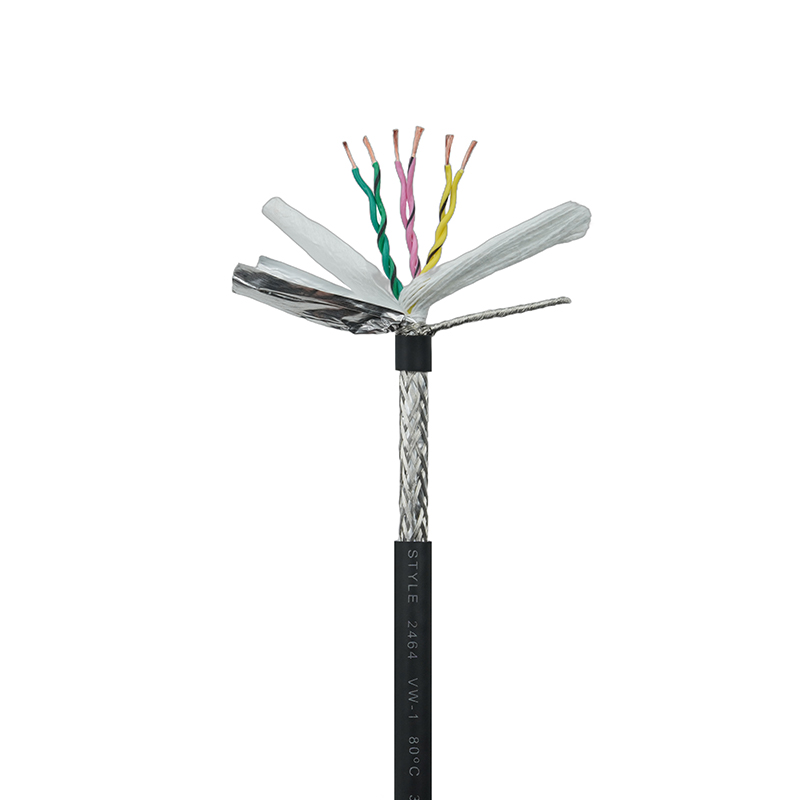
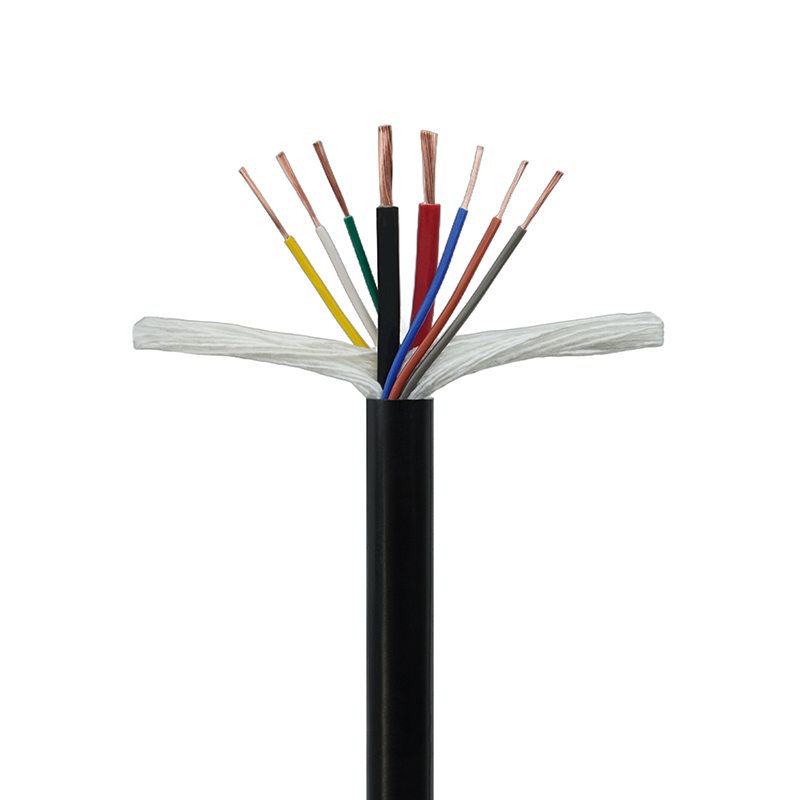
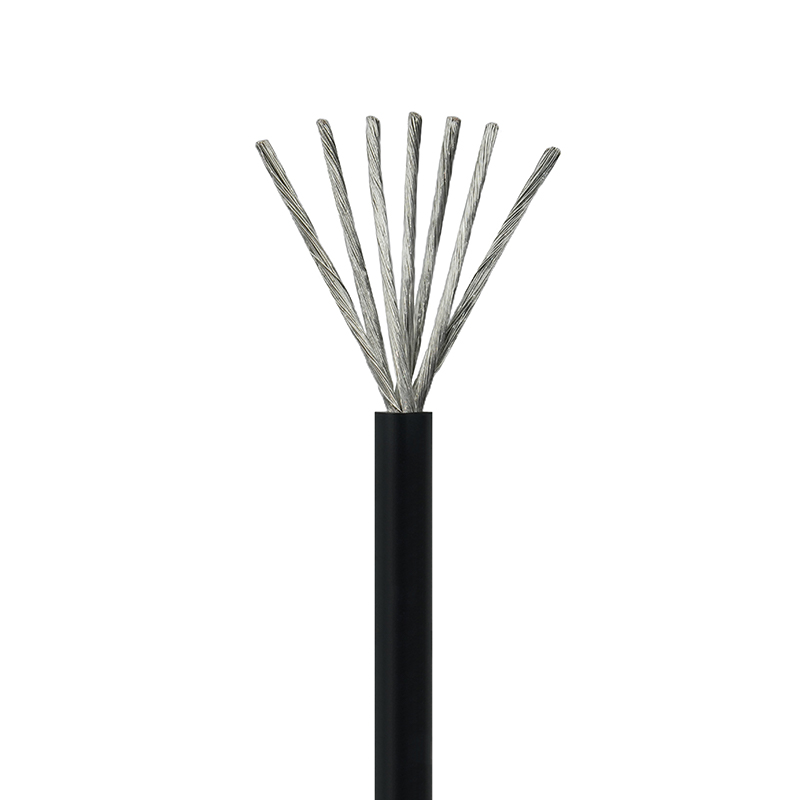

UL Certification Standards for Cables
UL certified cables are tested according to strict standards to ensure safety, reliability, and compliance with North American electrical codes. The certification process evaluates insulation materials, conductor quality, voltage ratings, flame resistance, and mechanical durability. UL Listed cables indicate that the entire cable product, including conductors and insulation, has passed rigorous safety testing under defined conditions.
Engineers often select UL certified cables for applications where compliance with NFPA, NEC, or OSHA standards is mandatory. This certification provides assurance that the cable will perform safely under expected electrical and environmental conditions.
Differences Between UL Listed and UL Recognized Cables
Understanding the distinction between UL Listed and UL Recognized cables is critical for design and procurement decisions. UL Listed cables are evaluated as a complete product, suitable for use without additional components. UL Recognized cables, on the other hand, are components that must be installed within a system or device that has been separately evaluated.
In practical terms:
- UL Listed cables can be directly used in residential, commercial, and industrial wiring projects.
- UL Recognized cables are typically used inside equipment, control panels, or other assemblies where the system as a whole is certified.
- Choosing the correct type ensures compliance and reduces the risk of safety violations during inspections.
Performance Considerations for UL Cables
UL certified cables are engineered for specific performance parameters, including voltage rating, temperature tolerance, and flame retardancy. For example, UL Type MTW cables are designed for machine tool wiring and can withstand higher ambient temperatures, while UL Type THHN cables are optimized for building wiring applications.
Proper selection of UL cable types ensures long-term reliability, reduces maintenance requirements, and guarantees safe operation under continuous electrical load and environmental stress.
UL Cable Selection Criteria
When selecting UL certified cables, engineers must consider multiple factors to ensure compatibility with the application:
| Parameter | Importance | Application Example |
| Voltage Rating | Ensures safe operation under load | Industrial machinery, building wiring |
| Temperature Rating | Prevents insulation degradation | High-temperature control panels |
| Flame Resistance | Reduces fire propagation risk | Commercial buildings, server rooms |
| Conductor Material | Maintains conductivity and flexibility | Flexible motor leads, machine wiring |
Installation and Maintenance of UL Certified Cables
Even UL certified cables require proper installation and maintenance to perform reliably. Over-tight bending, excessive pulling, or improper routing can compromise insulation integrity. Periodic inspections are recommended for industrial and commercial installations to detect wear, chafing, or insulation cracking.
- Follow manufacturer-specified bend radii and tension limits during installation.
- Ensure cables are routed away from sharp edges or high-temperature surfaces.
- Inspect connections and terminations regularly to maintain compliance and safety.
- Replace damaged or degraded UL cables immediately to prevent hazards.
Advantages of Using UL Listed Cables
Using UL listed cables provides multiple practical benefits in industrial and commercial applications. These include verified safety compliance, improved reliability under electrical load, and simplified inspection approvals. Additionally, UL certification ensures that cables meet consistent quality standards, which reduces failures and downtime in critical systems.
For designers and engineers, UL listed cables allow for confidence in system safety, easier project approvals, and reduced liability in case of electrical incidents.