
 EN
EN
 English
 русский
 Español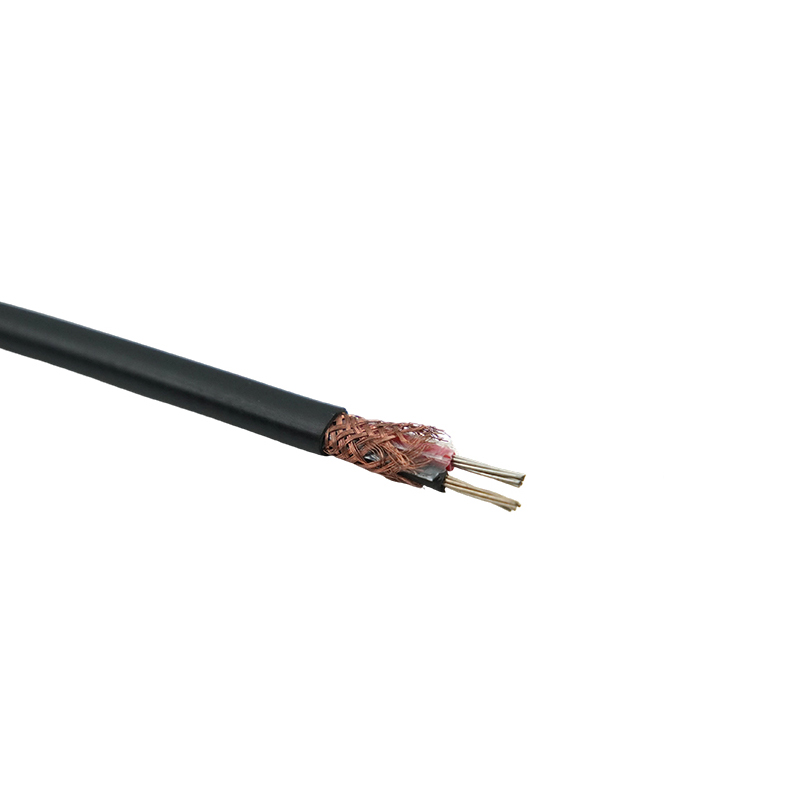

Temperature-Resistant Material Selection in Compensating Cables
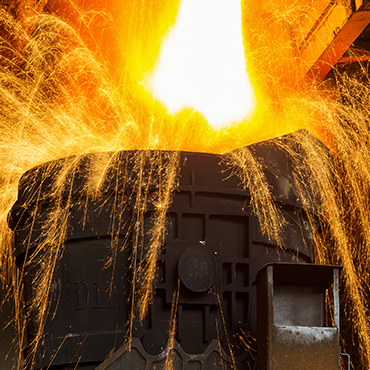
For harsh-temperature industrial environments, the stability of insulation materials is often more critical than the conductor itself. Fluoroplastics such as FEP, PFA, and PTFE are frequently chosen because their dielectric properties barely change across wide temperature ranges. In my manufacturing experience at Junshuai, we’ve found that even small variations in insulation aging rates can noticeably impact long-term signal drift and calibration cycles.
When selecting materials, engineers should consider not only maximum operating temperature but also thermal cycling frequency, chemical exposure, and mechanical stress. A compensating cable installed near rotating equipment, for example, may require XLPE for its abrasion resistance rather than PTFE’s ultra-high temperature endurance.
Matching Thermoelectric Characteristics with K-Type Thermocouples
Because compensating cables must mimic the thermoelectric behavior of the thermocouple alloy pair, alloy stability becomes a decisive factor. Small impurities in nickel-chromium or copper-nickel alloys can create unexpected EMF deviations. This is why we perform strict incoming material testing in our workshop—to ensure the alloys track the correct Seebeck coefficient curve of K-type thermocouples.
In long-distance signal transmission, even minor mismatches accumulate. Properly matched Type K compensating cables prevent temperature offsets that would otherwise appear at the instrumentation end, especially where ambient conditions fluctuate.
Shielding Strategies to Reduce Industrial Electrical Noise
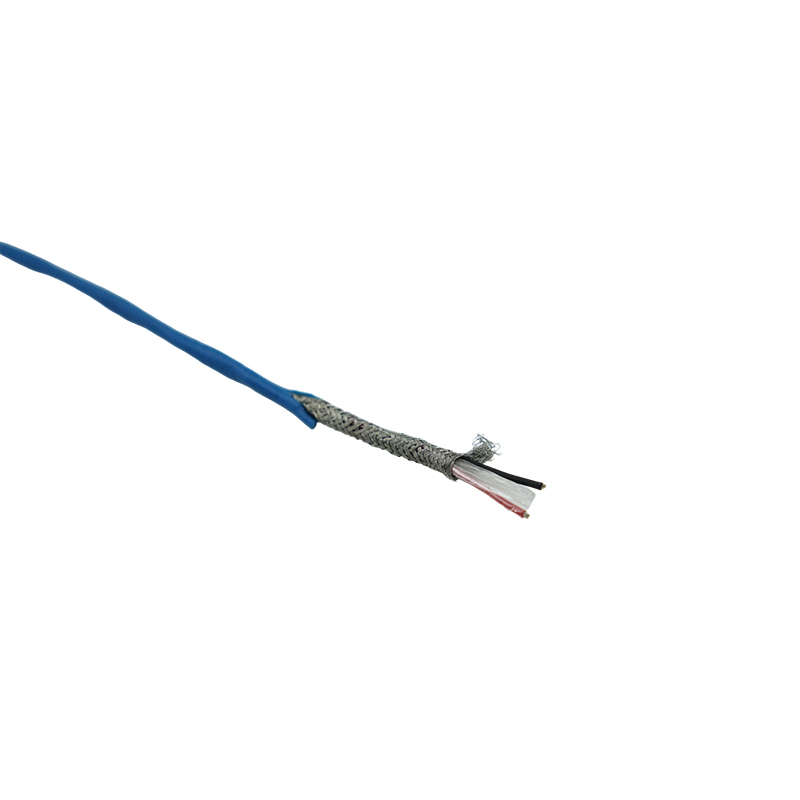
Thermocouple signals are low-level millivolt outputs, making them highly susceptible to interference. In industrial environments with inverter motors or induction heating equipment, thermocouple compensating cables benefit significantly from multi-layer shielding designs.
Common Shielding Approaches
- Aluminum–polyester foil for high-frequency noise suppression;
- Tinned copper braid for low-frequency magnetic field mitigation;
- Hybrid foil + braid structures for broad-spectrum protection.
As a cable manufacturer, I often recommend hybrid shielding for facilities running both high-power drives and precision measurement lines. It provides a cost-effective balance between EMI resistance and flexibility.
Impact of Cable Length on Measurement Accuracy
Although compensating cables are designed to preserve thermocouple accuracy, excessively long runs can introduce resistance imbalance between conductors. This imbalance may slightly distort the detected EMF. Engineers typically minimize unnecessary cable length by positioning the cold junction compensation unit closer to the process area.
In situations where long-distance routing is unavoidable, selecting larger conductor cross-sections or using lower-resistance alloys helps maintain signal integrity. During custom production, we often adjust conductor diameter based on project-specific distances and layout constraints.
Comparison of Insulation and Sheath Materials for Different Application Conditions
Each insulation material provides unique advantages depending on temperature, chemicals, and installation demands. The table below summarizes the typical characteristics engineers evaluate when choosing compensating cable for K type thermocouple.
| Material | Temperature Resistance | Chemical Resistance | Typical Applications |
| PTFE | Excellent | Excellent | High-temperature, corrosive environments |
| PFA/FEP | Very Good | Excellent | Chemical plants, cleanrooms |
| XLPE | Good | Moderate | General industrial installations |
Many customers rely on our customized insulation combinations to tackle special operating conditions—especially where both high temperature and abrasive contact are concerns. Choosing the right material is often one of the most effective ways to improve the lifespan of a compensating cable system.
Ensuring Long-Term Stability Through Proper Installation Practices
Even the highest-quality compensating cable can perform poorly if installation practices are overlooked. Avoiding excessively tight bending radii, heat concentration zones, and cable tray vibration areas is essential. Where possible, compensating cables should be routed away from power cables to prevent induced noise.
I often advise clients to document routing paths clearly during installation. This not only helps with later troubleshooting but also ensures that the thermocouple system maintains stable performance over years of operation.