
 EN
EN
 English
 русский
 Español

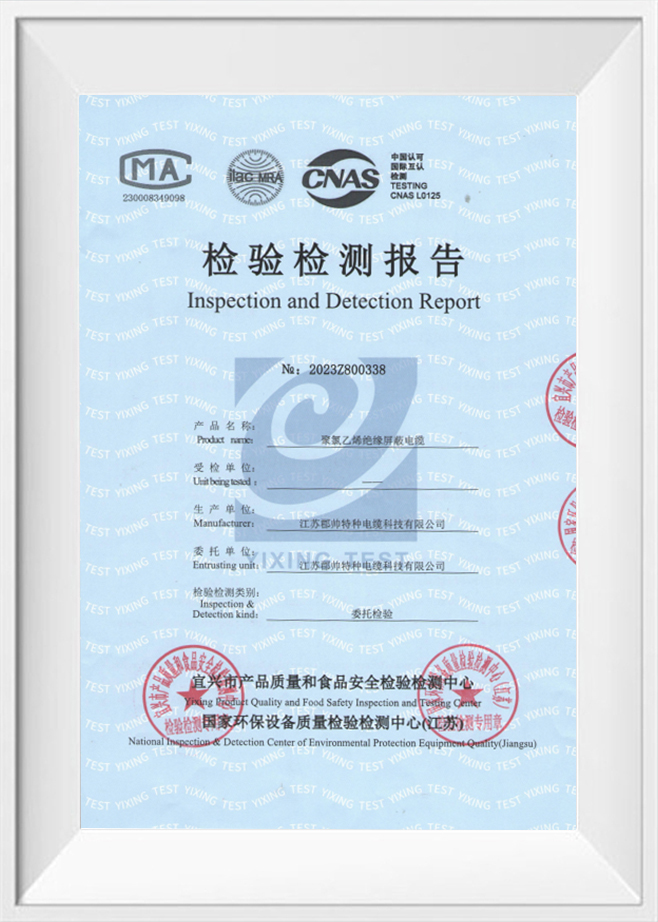
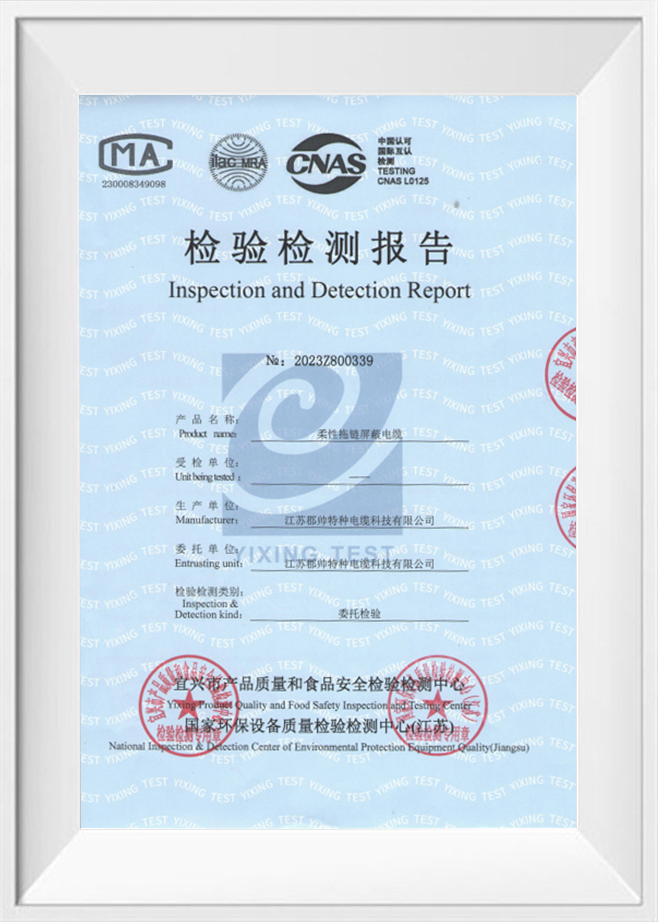
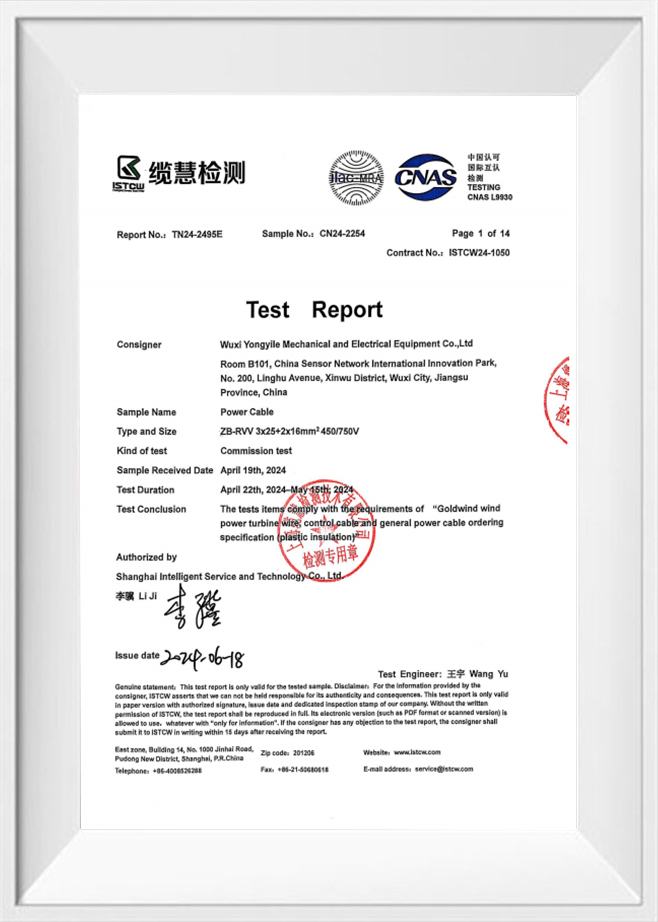
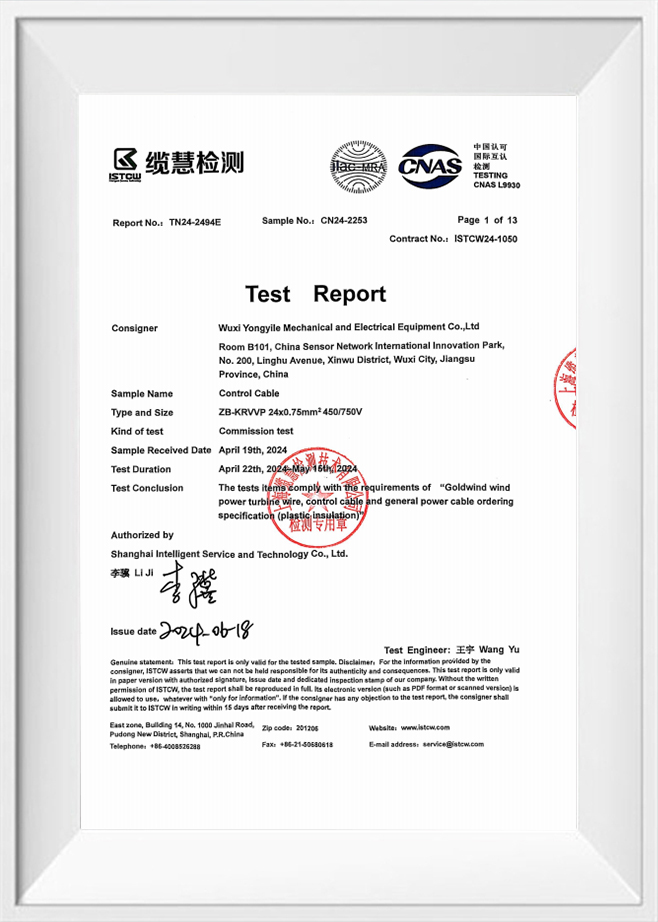
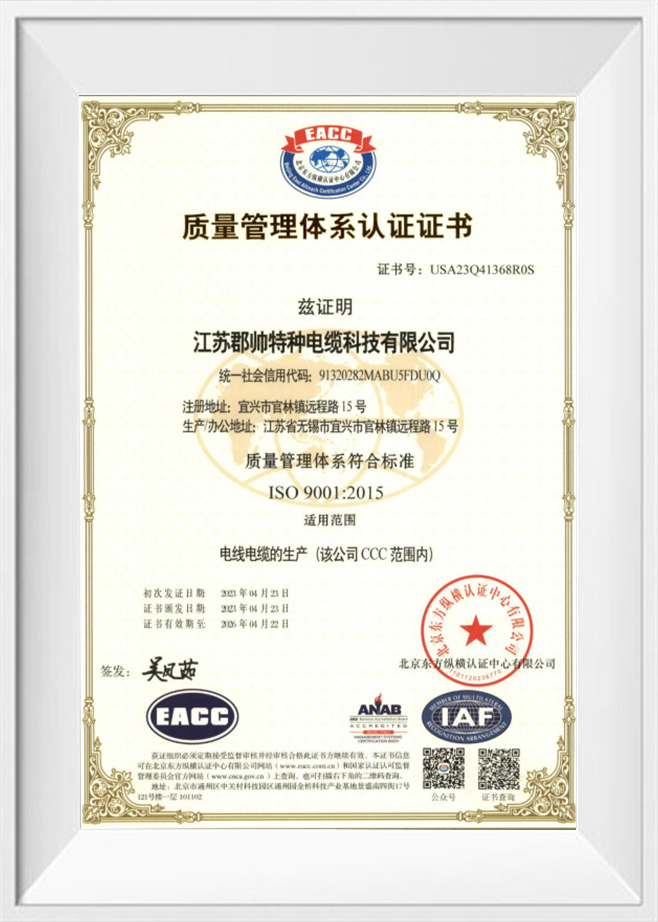
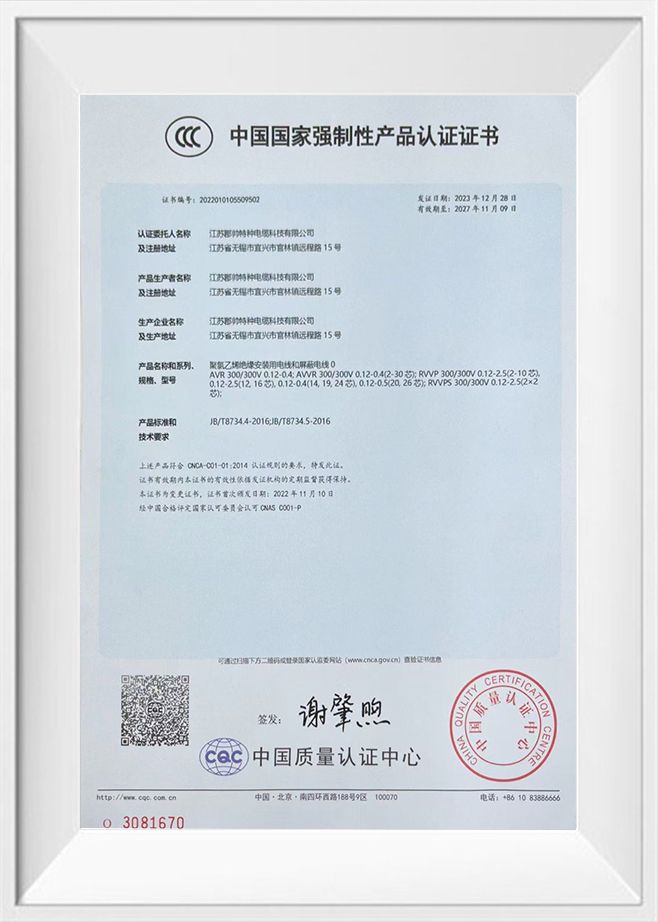
How Junshuai Special Cable Ensures Quality in Crane Flat Cable Production
Material Behavior Under Dynamic Bending Stress
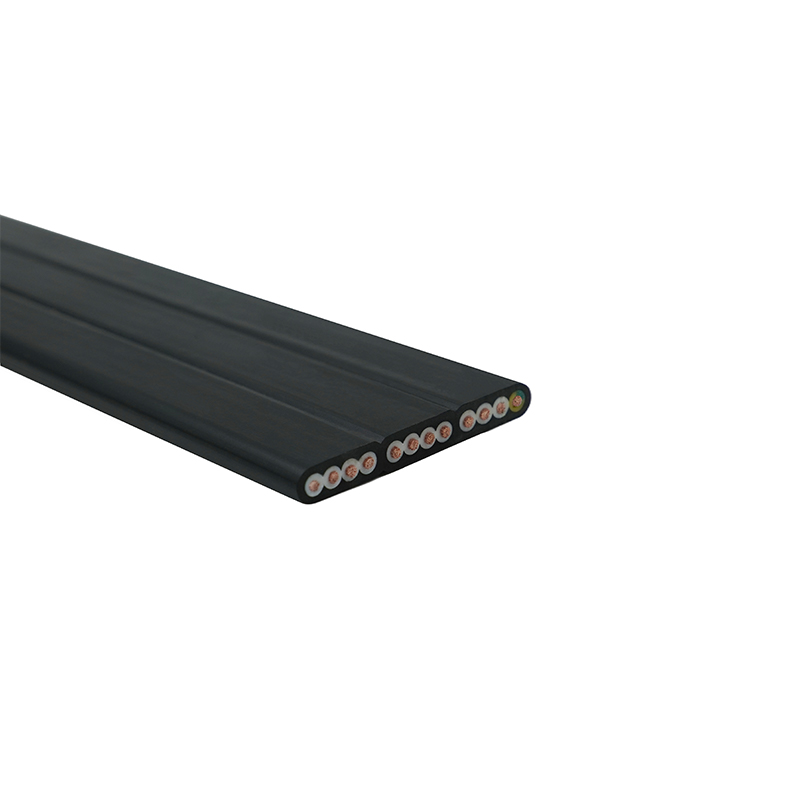
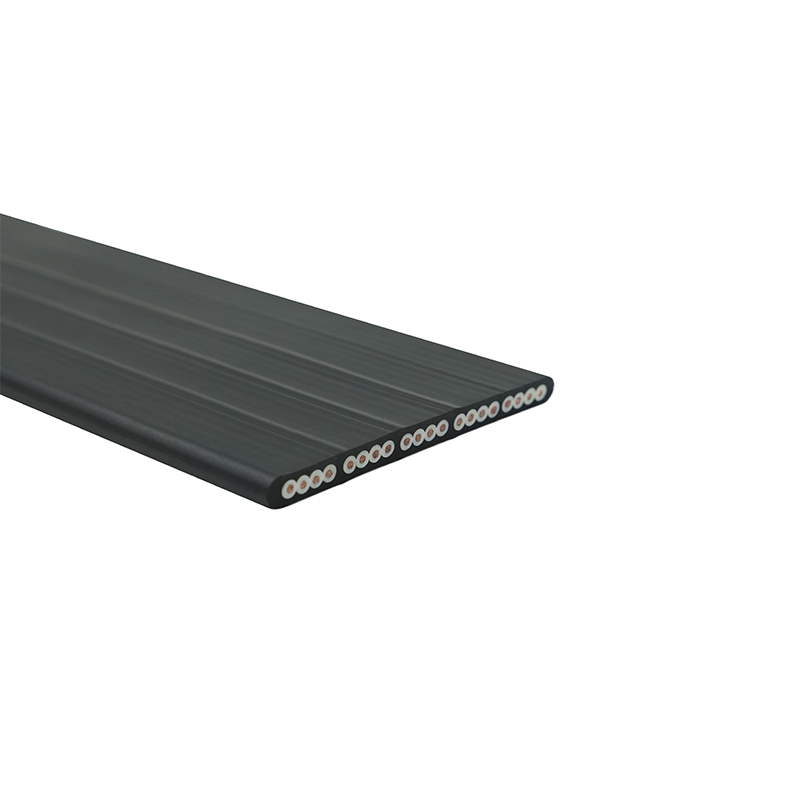
Crane flat cables work under constant repetitive bending, often in long travel distances where the cable moves thousands of times per day. One knowledge point lies in understanding how PUR and rubber sheaths behave under dynamic stress. PUR maintains stable mechanical strength even after prolonged flexing, while rubber provides better elasticity in environments exposed to vibration. Manufacturers evaluate elongation at break, rebound characteristics, and micro-crack resistance, ensuring that the sheath maintains integrity despite repeated cycles of bending and compressing during crane movement.
Engineering Considerations for Wind Resistance and Drag Reduction
Flat geometry significantly affects airflow around the cable during crane operations. Even moderate wind can impose additional load on suspended cables, especially at outdoor ports or construction sites. Junshuai evaluates aerodynamic stability by observing cable sway and flutter during operation. A lower profile reduces turbulence formation and lowers drag, preventing lateral oscillations that could affect the stability of electrical connections. This knowledge helps optimize installation spacing and cable chain routing in environments with unpredictable wind conditions.
Influence of Temperature Cycling on Sheath Performance
Crane flat cables often experience temperature cycling from freezing mornings to high operational heat generated by the equipment. Even when the range is within -30°C to +105°C, different materials respond differently to thermal expansion and contraction. When temperature shifts rapidly, sheath layers may stiffen or soften unevenly. Manufacturers address this by selecting formulations with low thermal deformation and conducting cold-bending tests where cables are flexed at subzero temperatures to confirm they retain flexibility without cracking.
Factors Affecting Signal Stability in Long Travel Distances
In crane systems, control signals for lifting, lowering, and traversing must remain stable even when transmitted across long distances. Signal loss can occur due to electromagnetic interference, long cable runs, or conductor fatigue. Flat cables reduce conductor twisting, which minimizes impedance variation during movement. Additionally, shielding layers or specialized conductor twisting techniques help suppress interference generated by motors and power lines. These practices ensure that command signals reach the control system accurately even in electrical noise–heavy industrial settings.
Role of Tensile Elements in Heavy Load Applications
When crane cables span long vertical drops or horizontal travel distances, tensile load becomes a critical factor. Integrated tensile elements are designed to bear mechanical load so the copper conductors do not experience stretching. Their placement is calculated to distribute force evenly during movement. Materials such as aramid fibers maintain stable tensile strength with minimal elongation. Understanding how these components interact with bending cycles helps manufacturers determine suitable reinforcement for different crane models and travel lengths.
Quality Validation Methods for Long-Term Flexibility
Producing crane flat cables requires validating how the cable will perform after tens of thousands of bending cycles. Flex-life testing simulates real operation in controlled environments. During testing, technicians measure changes in insulation resistance, sheath wear, conductor deformation, and overall cable geometry. Any sign of hardening, brittleness, or cracking indicates instability in the compound formulation. These findings help refine material ratios and processing parameters to achieve stable long-term bending endurance.
Comparative Behavior of PUR and Rubber Sheaths
| Performance Aspect | PUR Sheath | Rubber Sheath |
| Abrasion Resistance | High | Moderate |
| Flexibility in Cold | Stable | Better elasticity |
| Oil Resistance | Excellent | Limited |
| Weight | Lighter | Heavier |
Importance of Precision in Conductor Stranding
Highly flexible crane flat cables rely on fine-stranded copper conductors arranged with precise stranding pitches. This structure prevents internal wire breakage when subjected to continuous bending or torsion forces. The accuracy of the stranding process affects current-carrying capability, bending radius tolerance, and mechanical fatigue resistance. Uniform stranding reduces stress concentration points inside the conductor, prolonging service life in demanding crane applications where motion cannot be avoided.
Environmental Factors Influencing Cable Lifespan
Outdoor cranes face unique challenges such as salt spray, UV radiation, and chemical exposure from industrial environments. Cable materials must maintain stability against oxidation and surface hardening caused by long-term sunlight exposure. In coastal regions, salt particles accelerate corrosion, making sheath composition and thickness critical. Knowledge about environmental stressors helps determine protective additives, surface treatments, and sheath hardness levels to extend operational lifespan.