 EN
EN
 English
 русский
 Español
Soft Sheath Cable: Flexible & Durable Wiring Solutions | Key Benefits Explained
 2026.05.25
 Industry News
Content
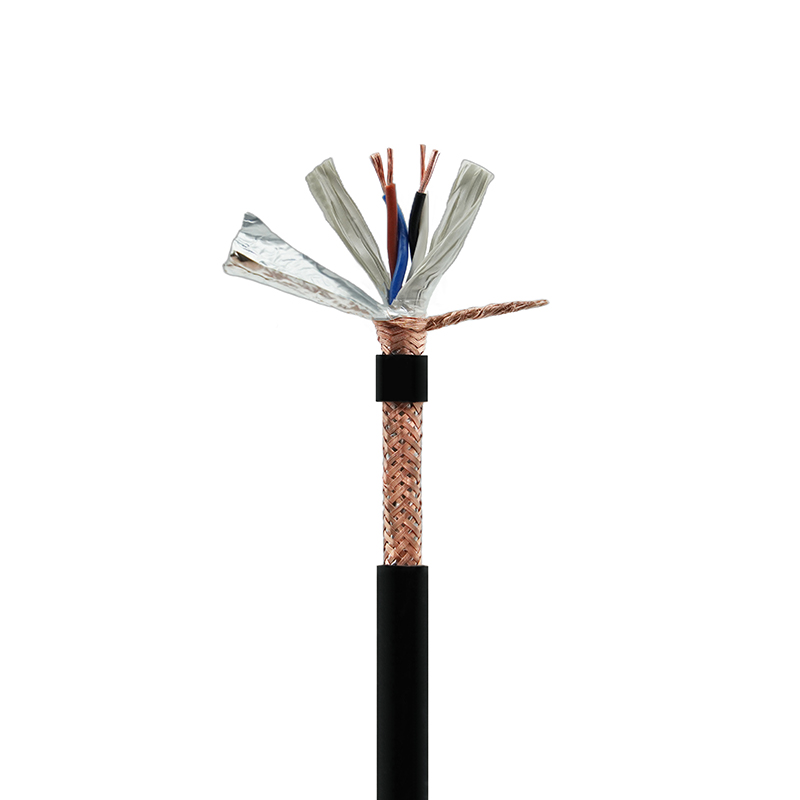
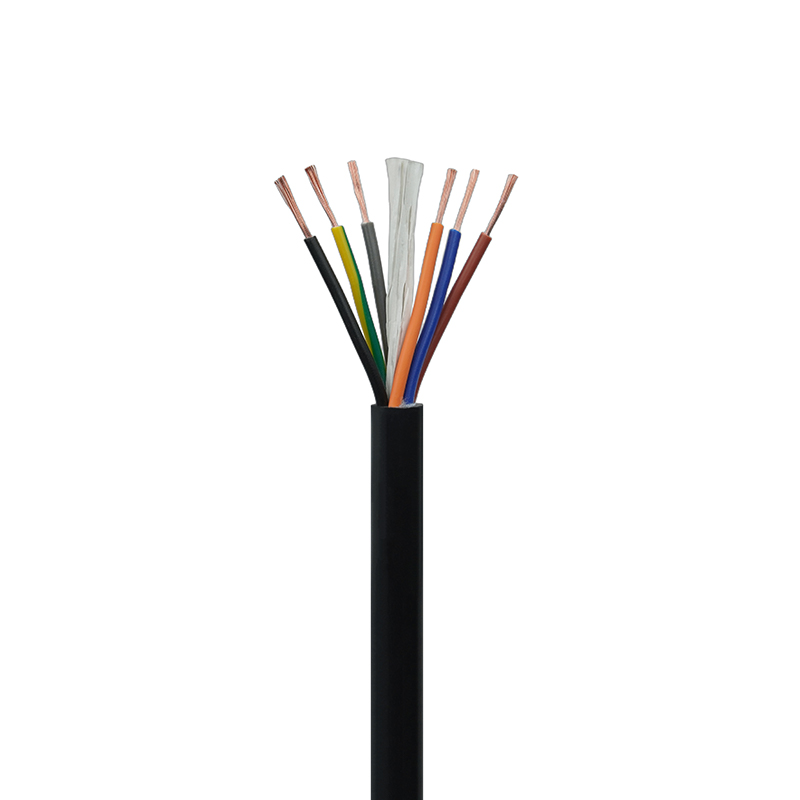
The most direct answer is that a soft sheath cable is an electrical cable engineered with an exceptionally pliable outer jacket, allowing it to withstand millions of flex cycles without cracking or degrading. Unlike standard rigid PVC cables that may fail after 50,000 bending cycles, premium soft sheath designs can endure over 10 million cycles under a bending radius as tight as 7.5 times the cable diameter. This makes them the go-to choice for any moving application where reliability and signal integrity cannot be compromised by jacket fatigue.
What Defines a Soft Sheath Cable?
The defining characteristic is a jacket that exhibits both low durometer (hardness) and high elongation at break. Shore hardness values for typical soft sheath materials fall between 70A and 90A, compared to standard PVC’s 95A–100A. This is achieved through polymer selection and plasticizer integration, resulting in a tactile difference that is immediately apparent. The construction goes deeper than the outer layer; the entire internal structure—conductor stranding, insulation, and fillers—is harmonized to move as a single unit, preventing internal chafing. The International Electrotechnical Commission (IEC) and UL standards often categorize these under continuous flex or torsion-rated cables, demanding rigorous testing beyond static installation requirements.
Core Material Options and Their Trade-offs
The sheath material dictates the cable's environmental resilience, flexibility life, and cost. Selecting incorrectly leads to premature failure. A side-by-side comparison clarifies the primary options available in the market.
| Material | Key Strength | Typical Flexibility Life | Critical Weakness |
|---|---|---|---|
| PVC (Soft Grade) | Cost-effective, good oil resistance | 1–3 million cycles | Cracking at sub-zero temperatures; plasticizer migration |
| Polyurethane (PUR) | Abrasion resistance, notch toughness | 5–10+ million cycles | Sensitive to moisture during extrusion; higher cost |
| TPE/TPV | Wide temperature range, good flex | 3–8 million cycles | Lower tensile strength than PUR |
| Silicone Rubber | Extreme heat resistance (up to 200°C) | High flex life | Poor tear strength; easily cut |
For applications involving constant dragging over sharp edges, PUR is often non-negotiable. In cleanroom or high-heat environments, TPE or silicone dominates despite higher upfront cost.
Construction Features That Enhance Flexibility
A soft jacket alone is not enough. The internal architecture prevents the sheath from being an empty promise of flexibility. Three construction elements are critical:
Extra-Fine Stranded Conductors
Rigid cables use Class 2 stranded conductors. Soft sheath cables use Class 5 or even Class 6 (superfine wire) stranding, where individual copper strands as thin as 0.05 mm are bundled. This reduces bending stress per strand and can improve conductor resistance stability after repeated motion by up to 40% compared to coarse stranding.
Pressure-Extruded or Semi-Loose Jacket
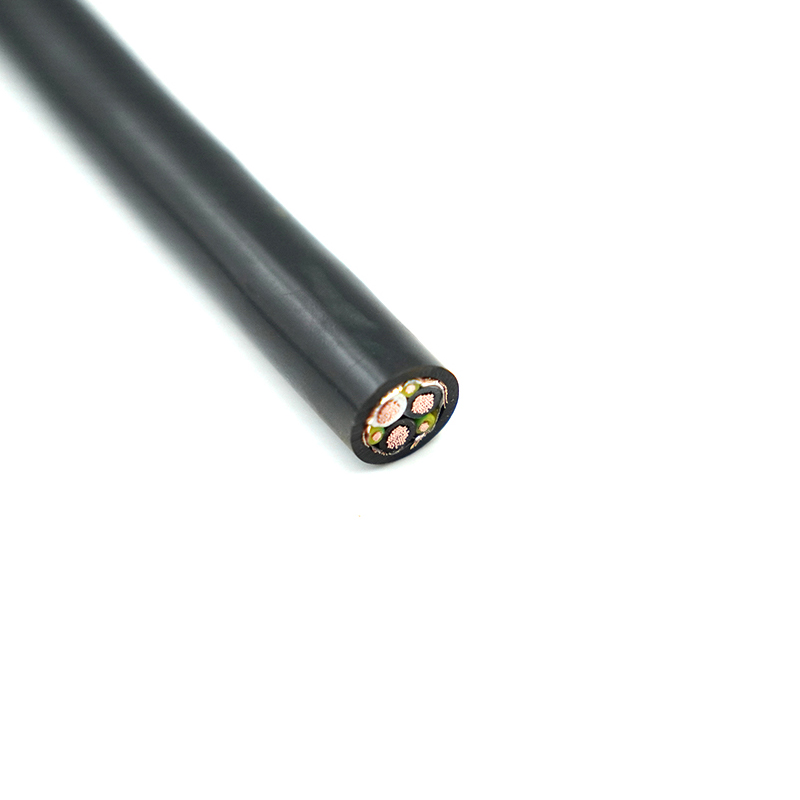
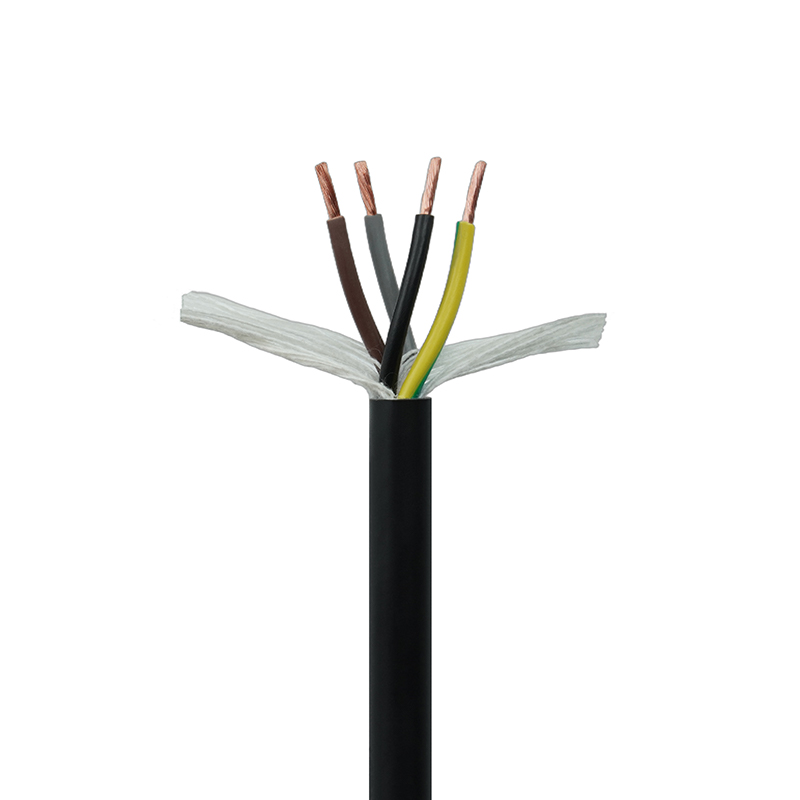
Instead of a tight tube that grips the core, many soft sheath cables use a pressure-extruded jacket that fills interstices without bonding rigidly. This allows the inner cores to slide slightly during bending, distributing strain over a longer length. Cables designed for torsion applications may incorporate a non-woven wrap under the sheath to further decouple movements.
Short Lay Lengths
The length of one complete twist of the conductor bundle (lay length) is deliberately shortened. A shorter lay length, often 8–12 times the core diameter, ensures that tension and compression zones within the cable cancel out more effectively during bending, preventing corkscrewing.
Typical Application Environments
The push for miniaturization and automation means soft sheath cables are replacing traditional wiring in demanding dynamic settings:
- Robotic Arms and Collaborative Robots (Cobots): Torsion stress at the wrist joint requires cables rated for ±180° per meter twisting. Soft TPE or PUR jackets prevent spiral deformation over the robot’s lifetime, which often exceeds 5 years of continuous operation.
- Energy Chains (Drag Chains): Inside a cable carrier, acceleration forces can exceed 10 m/s². A soft but tough sheath prevents abrasion against carrier dividers. PUR variants in this environment reliably reach 20 million linear travel cycles.
- Medical Diagnostic Equipment: Flexible gantries for CT scanners and X-ray machines use silicone-sheathed cables that retain pliability even after thousands of cycles while meeting biocompatibility and cleanability standards.
- Stage and Event Technology: Touring-grade multicore audio and lighting cables use soft PVC or PUR sheaths that remain flexible down to -25°C, enabling rapid coiling and deployment in outdoor venues without jacket shattering.
How to Select the Right Soft Sheath Cable
Matching the cable to the motion profile prevents the most common cause of premature failure. The selection process can be distilled into a sequence of clear criteria:
- Define the Mechanical Stress: Distinguish between flexing (bending along one axis), torsion (twisting), and random movement. A cable rated for flexing at 10 million cycles may fail after fewer than 100,000 torsion cycles if not specifically designed for it.
- Calculate the Minimum Bending Radius: Measure the tightest installation space. Soft sheath cables typically require a radius of 5 to 10 times the outer diameter in dynamic use. Exceeding this even occasionally induces permanent deformation.
- Verify Chemical Exposure: In machine tool environments, traces of cutting oil dissolve standard plasticizers. Use a PUR or TPE jacket with documented long-term resistance to the specific oil type, ideally backed by immersion test data showing less than 5% weight change after 30 days.
- Temperature Range Is Not Just Air Temperature: A cable operating inside a drag chain at high speed generates internal friction heat. The sheath’s maximum continuous conductor temperature must exceed the ambient plus the temperature rise under load. Look for jackets rated for 90°C or higher for high-cycle applications.
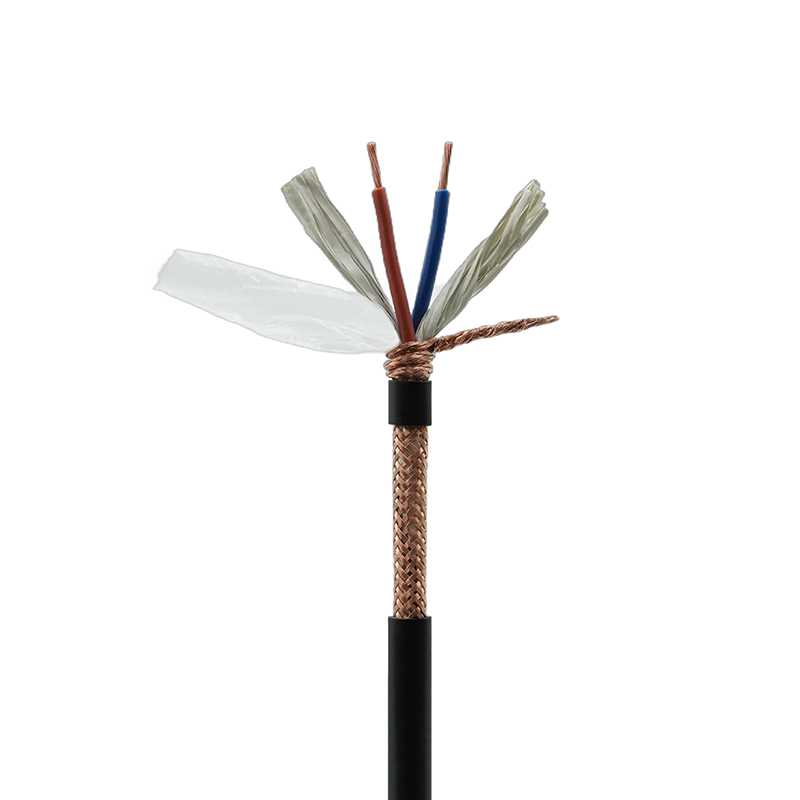
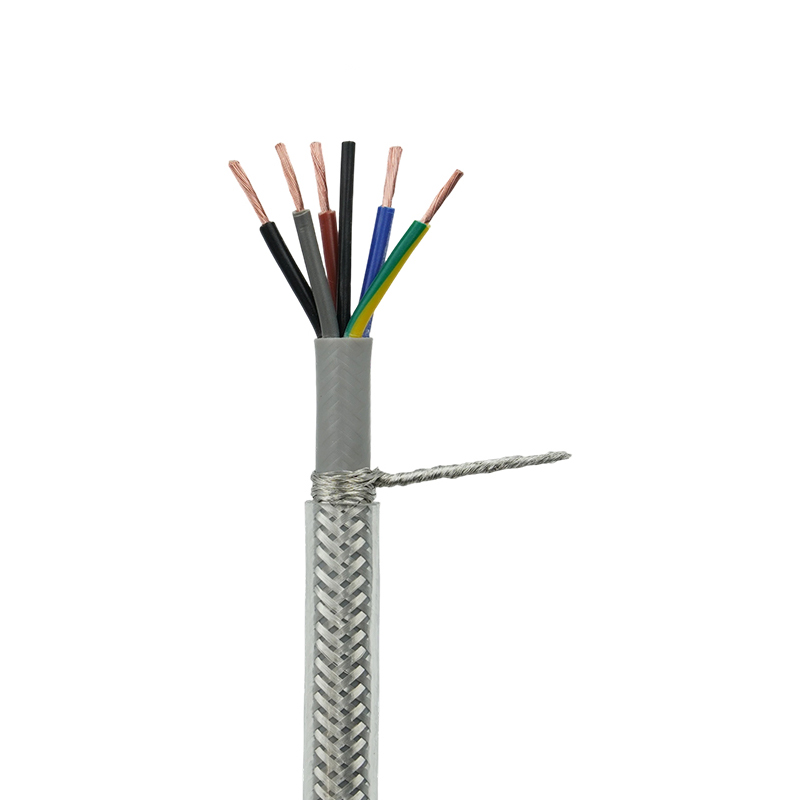
- EMC Considerations for Flexibility: Soft sheath cables carrying signals often include a spiral shield rather than a simple braid. A spiral shield can withstand flexing without breaking, but its coverage (typically 80–95%) must be sufficient for the interference frequency present.
Common Failure Modes and Prevention
Even with a soft sheath, incorrect handling leads to distinct failure patterns. Recognizing them early saves downtime.
Corkscrewing (Torsion Failure)
The outer sheath twists into a permanent spiral shape. This indicates that the cable’s lay direction and shield design are not matched to torsional loads. Prevention involves selecting a cable with a counter-twisted shield or an SZ lay configuration designed explicitly for torsion.
Jacket Wear Through (Abrasion)
A soft sheath rubbing against metal edges or adjacent hoses can wear flat and expose inner cores. Data from cable track installations shows that in high-vibration zones, a 0.5 mm increase in jacket thickness can double the abrasion life. Specifying a thicker overall jacket wall or adding a strain relief sleeve at exit points is a practical countermeasure.
Longitudinal Splitting (Cracking Along Length)
This occurs when the soft sheath material loses plasticizers and becomes brittle, or when UV radiation degrades outdoor cables. For applications exposed to weather, jackets must be UV-stabilized; carbon-black-filled polyethylene compounds in the sheath can extend outdoor flex life by a factor of three to five compared to non-stabilized versions.