
 EN
EN
 English
 русский
 Español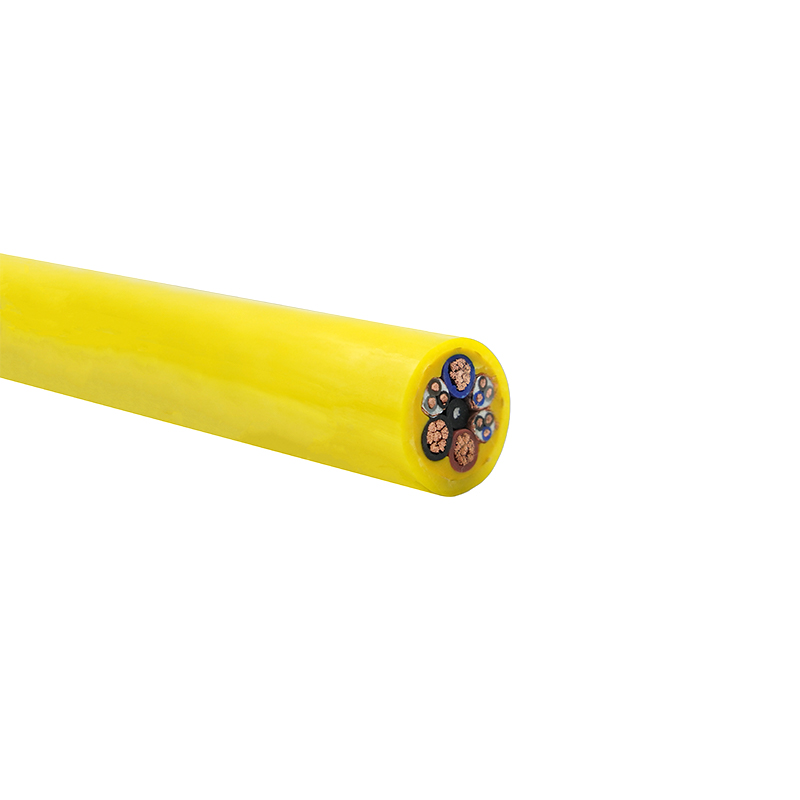
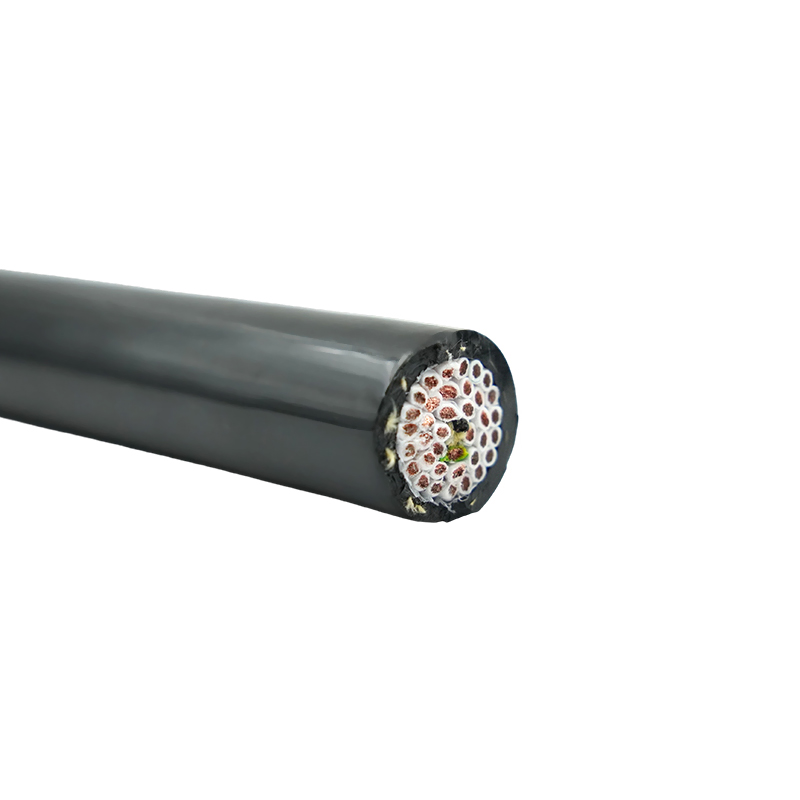
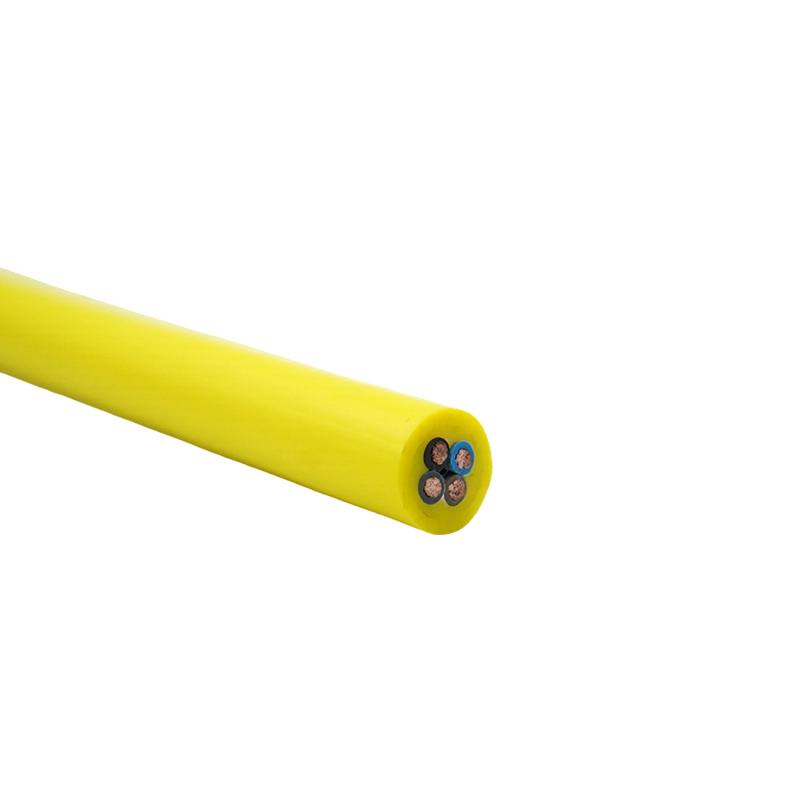
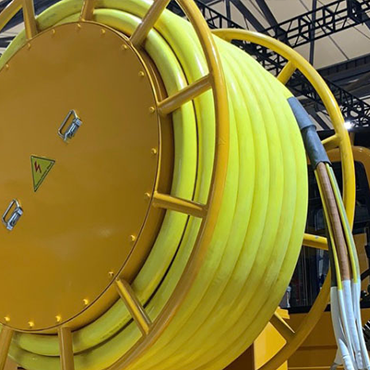

Are the Reeling Cables from Jiangsu Junshuai oil-resistant, chemically resistant, and abrasion-resistant?
Reeling cables—often referred to as reel cables—play a critical role in mobile machinery where continuous winding, stretching, and unwinding are unavoidable. Their ability to withstand mechanical stress, environmental exposure, and repeated motion determines not only their service life but also the operational safety of the equipment they support. For buyers evaluating reeling cables, three performance factors frequently rise to the top: oil resistance, chemical resistance, and abrasion resistance.
Understanding the Demands on Reeling Cables
Reeling cables differ significantly from ordinary fixed-installation cables. They are engineered for dynamic applications found in cranes, port machinery, tunnel boring machines, stackers, gantry systems, and other mobile equipment. Their mechanical environment imposes several challenges:
- Frequent bending and torsion during winding and unwinding
- Constant tensile force, especially when the cable is fully extended
- Exposure to oils, grease, and hydraulic fluids in industrial environments
- Contact with abrasive surfaces such as steel reels, pulleys, and ground surfaces
- Weather exposure when used outdoors, including UV radiation and temperature fluctuations
Because of these demands, reeling cables require specialized designs, materials, and reinforcements to maintain electrical performance and prevent premature failure.
Material Construction and Why It Matters
The mechanical durability of a reeling cable begins with its internal and external construction.
1. Flexible Multi-Stranded Conductors
Reeling cables typically use highly flexible, fine-stranded copper conductors. These thin strands distribute bending stress more evenly, preventing breakage and improving overall fatigue life.
2. Reinforcement Elements
Some designs include Kevlar tensile members, steel wires, or other load-bearing elements. Their purpose is to absorb tensile forces generated during reeling motions so that the conductors are not overstressed.
3. Wear- and Weather-Resistant Sheaths
The outer sheath plays the most direct role in determining oil resistance, chemical resistance, and abrasion resistance. Common sheath materials include:
- PUR (Polyurethane): Known for exceptional abrasion resistance, high tear strength, and excellent resistance to oils and many chemicals.
- Rubber Compounds (e.g., chloroprene, nitrile blends): Common for flexible industrial cables requiring good oil and flame resistance.
Because of these inherent material properties, reeling cables from reputable manufacturers tend to exhibit strong performance in harsh working environments.
How Jiangsu Junshuai Special Cable Technology Co., Ltd. Addresses These Requirements
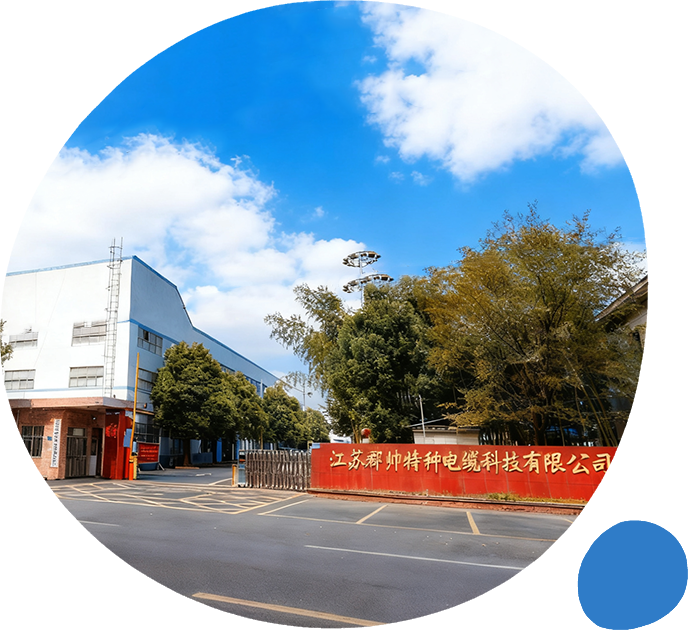
Jiangsu Junshuai Special Cable Technology Co., Ltd. specializes in producing customized cables for demanding industrial applications. As a Reeling Cables Manufacturer and Reeling Cables Factory in China, the company designs solutions tailored to the mechanical and environmental pressures seen in reel systems.
Their product lines include:
- PUR reel cables
- Drag chain cables
- Crane flat and traveling cables
- High- and low-temperature cables
- Shielded cables
- Floating cables
- UL, CE, CCC-certified cables
- Customized mobile special cables for unique applications
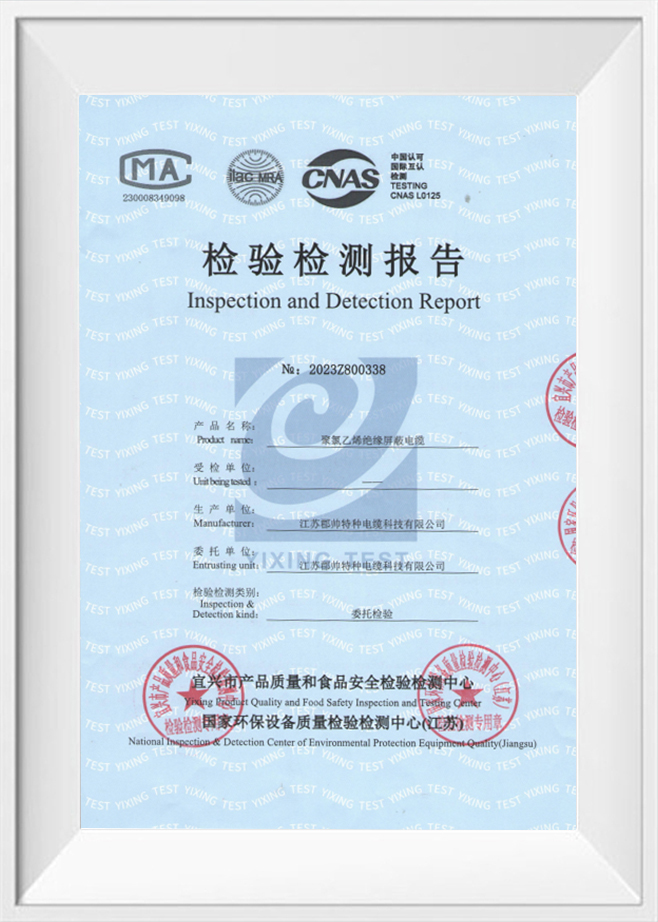
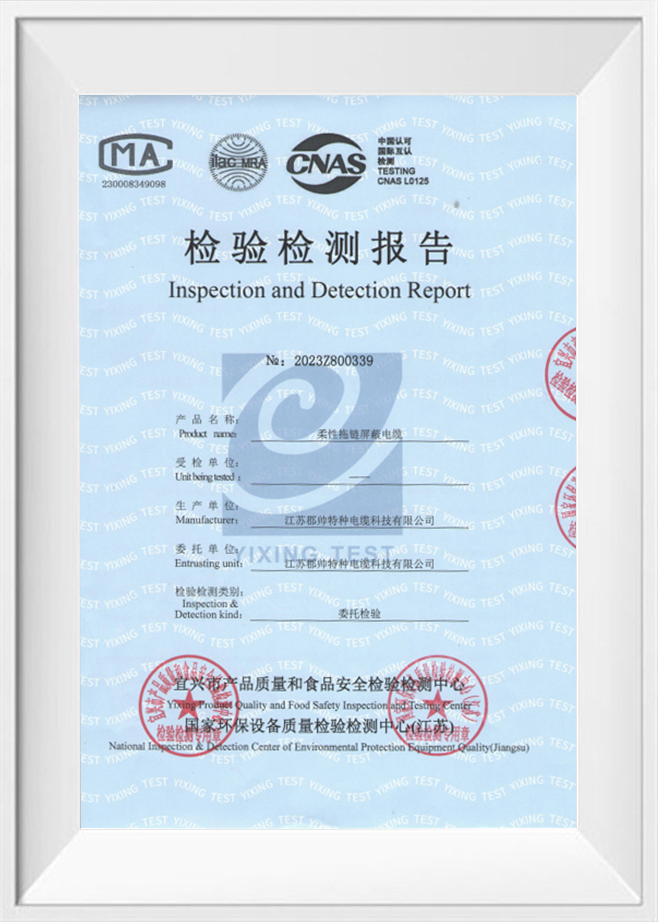
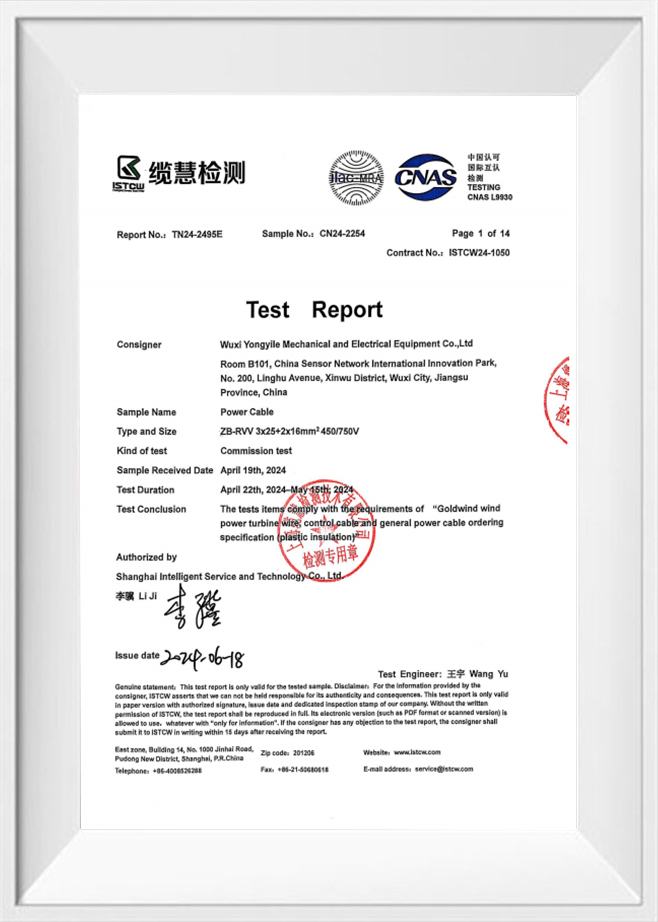
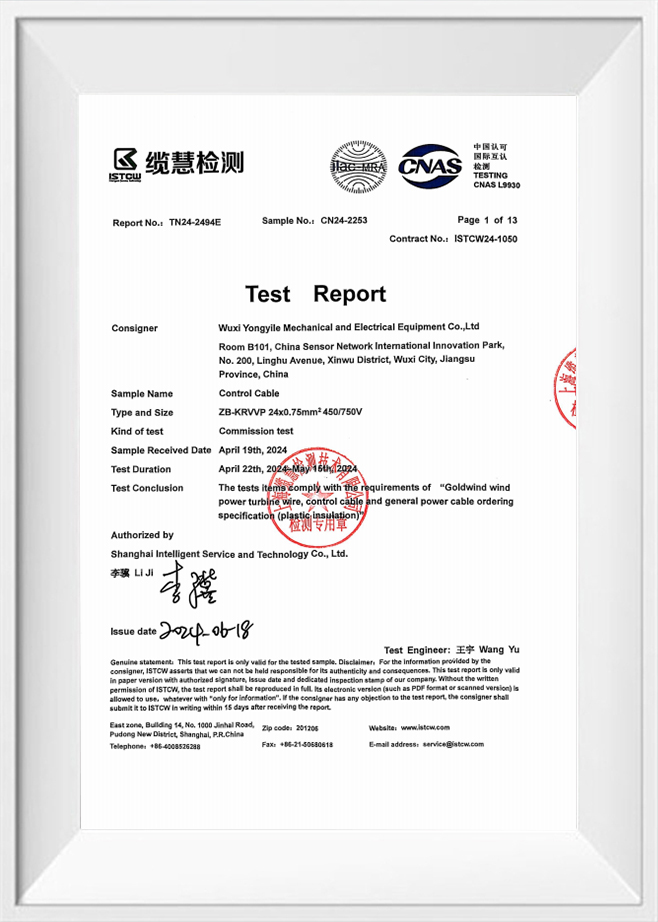
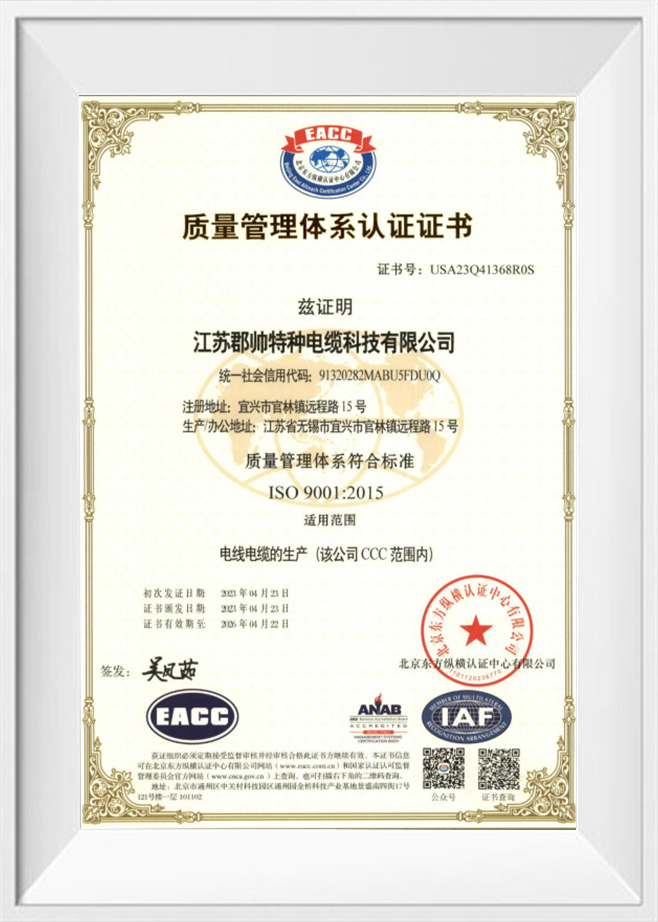
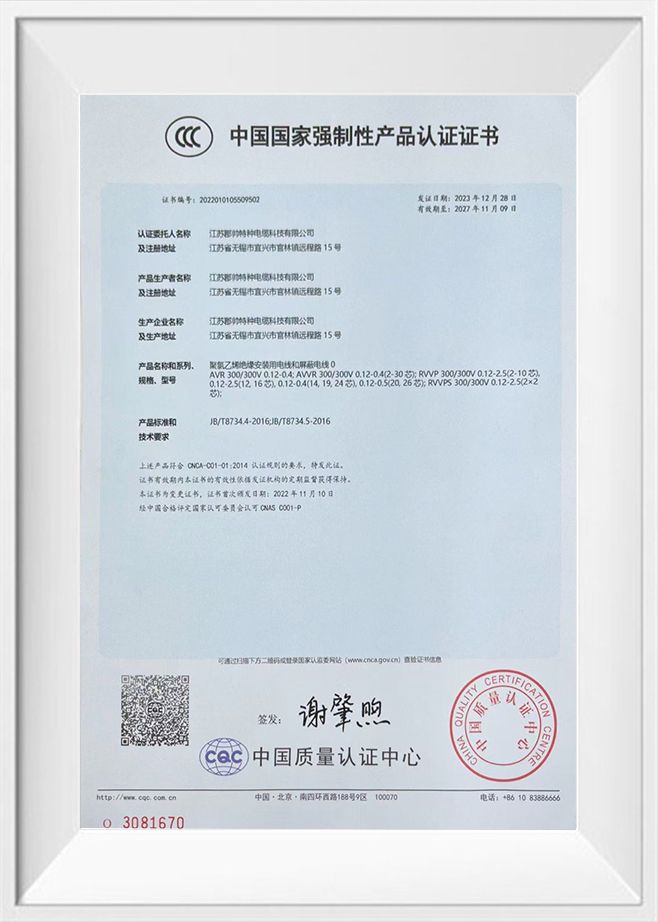
Equipped with advanced domestic production and testing equipment, and certified under CCC, UL, ISO9001, and CE, the company integrates strict quality control measures throughout manufacturing. This combination of material selection, engineering design, and testing capability supports the cable performance characteristics discussed below.
Oil Resistance: How Well Do They Perform?
Industrial environments—especially those involving cranes, port machinery, tunnel equipment, and automated production lines—often expose cables to lubricants, hydraulic fluids, and grease.
Why Oil Resistance Matters
Oil exposure can cause:
- Swelling or softening of the cable sheath
- Cracking over time
- Reduced flexibility
- Accelerated aging
A cable that loses mechanical stability becomes unsafe during reeling cycles.
Junshuai’s Approach
The reeling cables produced by Jiangsu Junshuai Special Cable Technology Co., Ltd. commonly use PUR outer sheaths or specially formulated rubber compounds. PUR is particularly well-regarded for its:
- Excellent resistance to mineral oils
- Stability in oily industrial environments
- Ability to maintain mechanical integrity even after prolonged exposure
Therefore, for applications where hydraulic oils and lubricants are frequently present, the company’s PUR reel cables offer a reliable solution.
Chemical Resistance: Suitability for Harsh Environments
Chemical exposure varies widely depending on the working environment. It may include coolants, cleaning agents, saline water, mild acids, or alkaline substances.
Resistance Characteristics
- PUR sheaths generally provide strong resistance to many industrial chemicals, especially compared to standard PVC-based materials.
- Rubber-based sheaths offer moderate to high resistance depending on the specific formulation.
Junshuai’s Capability
Since Jiangsu Junshuai specializes in custom-made special cables, they can tailor sheath materials based on chemical exposure requirements. For industries such as metallurgy, mining, marine operations, and heavy manufacturing, selecting the appropriate sheath composition ensures long-term stability.
Abrasion Resistance: A Key Feature for Reeling Applications
Abrasion is one of the most frequent causes of cable wear in reeling systems, as the cable constantly moves across reel surfaces, guide wheels, and uneven paths.
Why Abrasion Resistance Is Critical
- Reduces sheath wear
- Extends cable service life
- Maintains insulation integrity
- Prevents exposure of internal conductors
Junshuai’s Sheath Materials
The use of high-grade PUR significantly enhances abrasion resistance. PUR sheaths offer:
- High tear strength
- Resistance to scraping and mechanical wear
- Stability in repetitive movement applications
This makes PUR reel cables one of the most suitable solutions for cranes, port machinery, and heavy mobile equipment.
Additional Factors Enhancing Durability
Beyond oil, chemical, and abrasion resistance, Jiangsu Junshuai’s reeling cables also benefit from:
- Flexible optimized conductor designs to reduce fatigue
- Reinforced tensile elements to support high mechanical loads
- Shielding options where electromagnetic interference is a concern
- Temperature-resistant materials for both high- and low-temperature environments
- Customized configurations based on the customer’s machinery and operating conditions
These features collectively contribute to a long-lasting and reliable cable performance in demanding reel systems.
Conclusion: Do Junshuai Reeling Cables Deliver the Required Resistance?
Based on their material construction, engineering approach, and customization capabilities, the Reeling Cables from Jiangsu Junshuai Special Cable Technology Co., Ltd. are designed to offer:
- Strong oil resistance
- Reliable chemical resistance
- Excellent abrasion resistance, especially when PUR sheaths are used
By combining flexible multi-stranded conductors, durable sheathing materials, optional tensile elements, and a customer-focused manufacturing approach, the company provides cable solutions that meet the needs of modern industrial applications.
For buyers seeking reeling cables that can endure harsh mechanical stress and chemical exposure, Junshuai’s offerings present a dependable and well-engineered option.