 EN
EN
 English
 русский
 Español
Floating Cables: Types, Applications, and How to Choose the Right One
 2026.03.23
 Industry News
Content
- 1 What Floating Cables Are and Why They Matter
- 2 How Floating Cables Are Constructed
- 3 Key Performance Specifications at a Glance
- 4 Where Floating Cables Are Used
- 5 Material Properties That Define Floating Cable Performance
- 6 How to Select the Right Floating Cable
- 7 Floating Cables vs. Standard Submersible Cables: Key Differences
- 8 Installation and Maintenance Best Practices
What Floating Cables Are and Why They Matter
Floating cables are purpose-built power and signal transmission cables designed to remain buoyant on water surfaces while withstanding submersion, mechanical stress, and harsh environmental conditions. Unlike standard cables, they are engineered to float — preventing them from sinking, tangling around underwater equipment, or dragging on the seabed.
Their relevance spans a wide range of industries: from aquaculture farms and offshore drilling platforms to underwater robotics (ROVs), waterway environmental monitoring, and emergency rescue operations on water. In any scenario where cables must operate at or near the water surface, a floating cable is not optional — it is the technically correct choice.
How Floating Cables Are Constructed
The buoyancy and durability of floating cables come directly from their layered construction. Each component serves a specific function:
Conductor
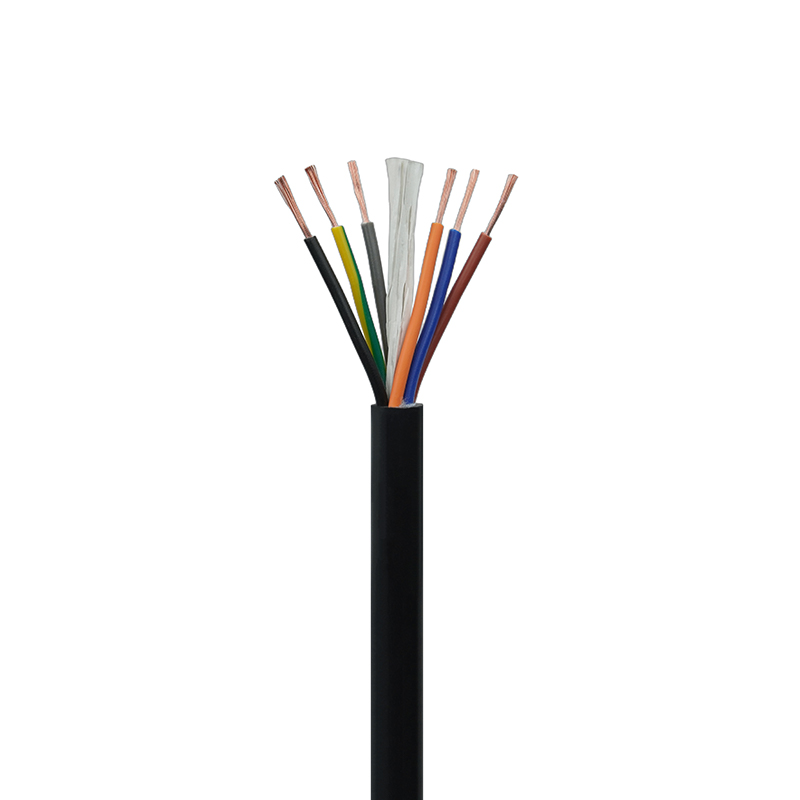
The core conductor typically uses multi-strand ultra-fine oxygen-free copper wire or tinned copper wire, conforming to VDE0295 Class 5 or Class 6 standards. This fine stranding ensures high flexibility — critical in dynamic water environments where the cable bends and moves continuously.
Insulation
Insulation layers use special blended PVC, PE, or foam PU materials. Foam PU insulation, in particular, contributes directly to buoyancy by reducing overall cable density below that of water.
Shielding (When Required)
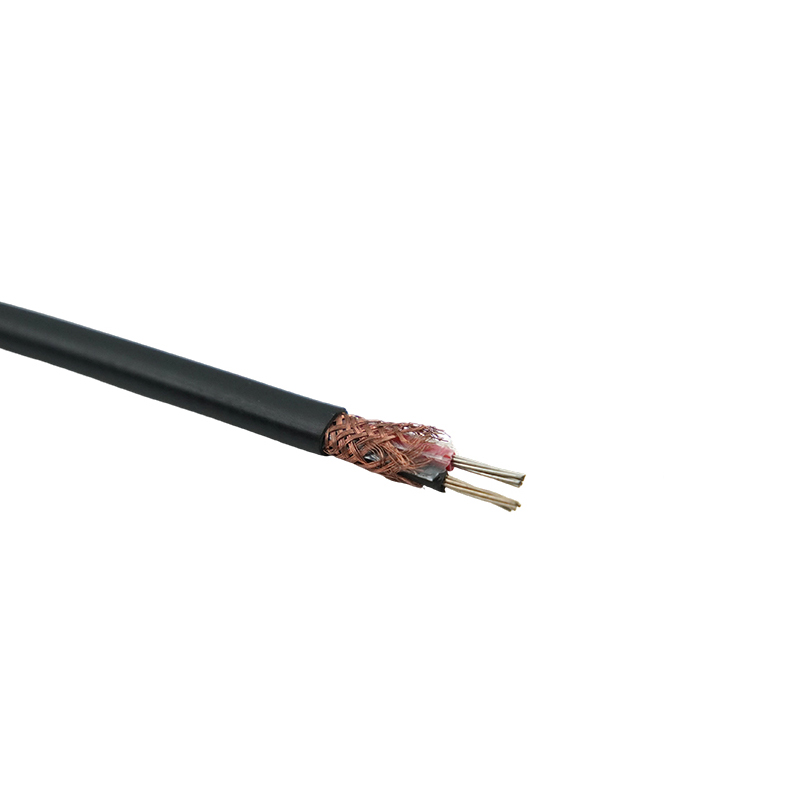
Signal-carrying floating cables may include a tinned copper braid shield with density ≥80%, supplemented by an aluminum foil double-layer shield for full electromagnetic interference (EMI) suppression. This is especially important for ROV control cables operating in electrically noisy underwater environments.
Tensile Reinforcement Elements
Polyester yarn fibers or Kevlar (aramid) fibers are integrated to resist mechanical pulling, impact, and torsional stress — essential when cables are deployed and retrieved repeatedly in field operations.
Foam Layer and Outer Jacket
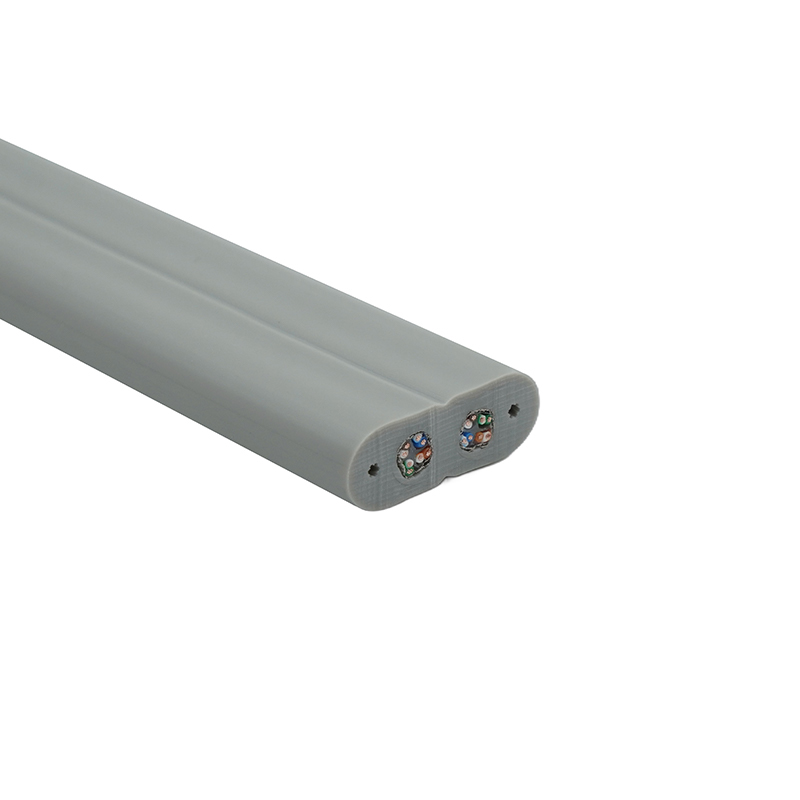
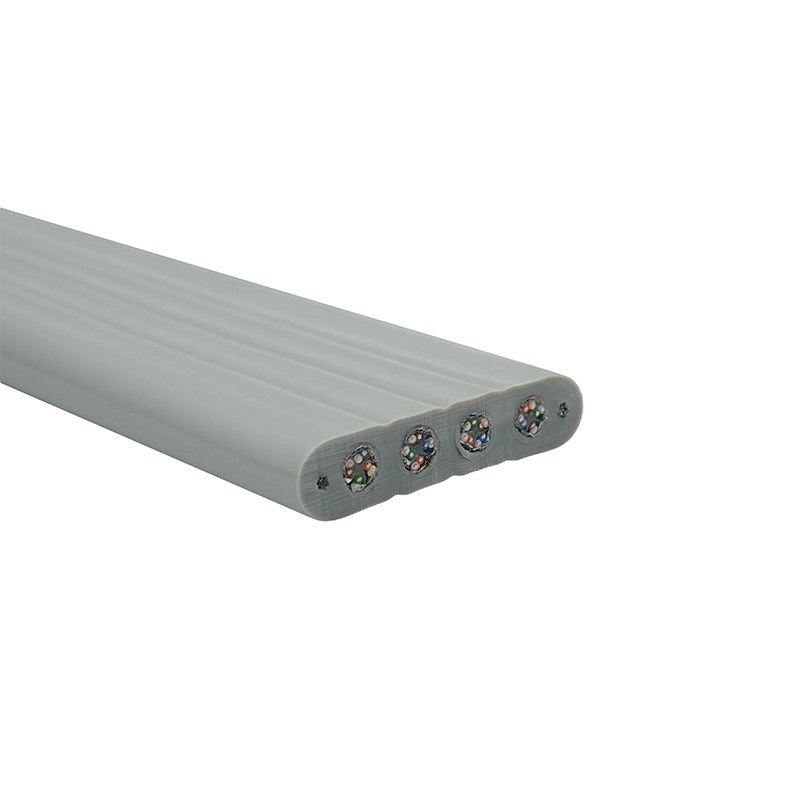
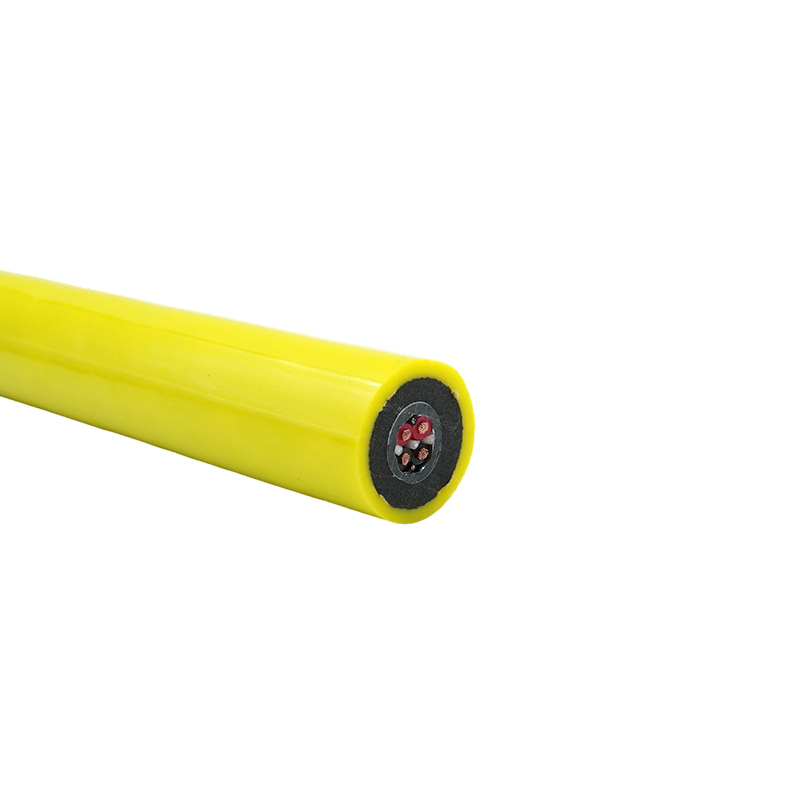
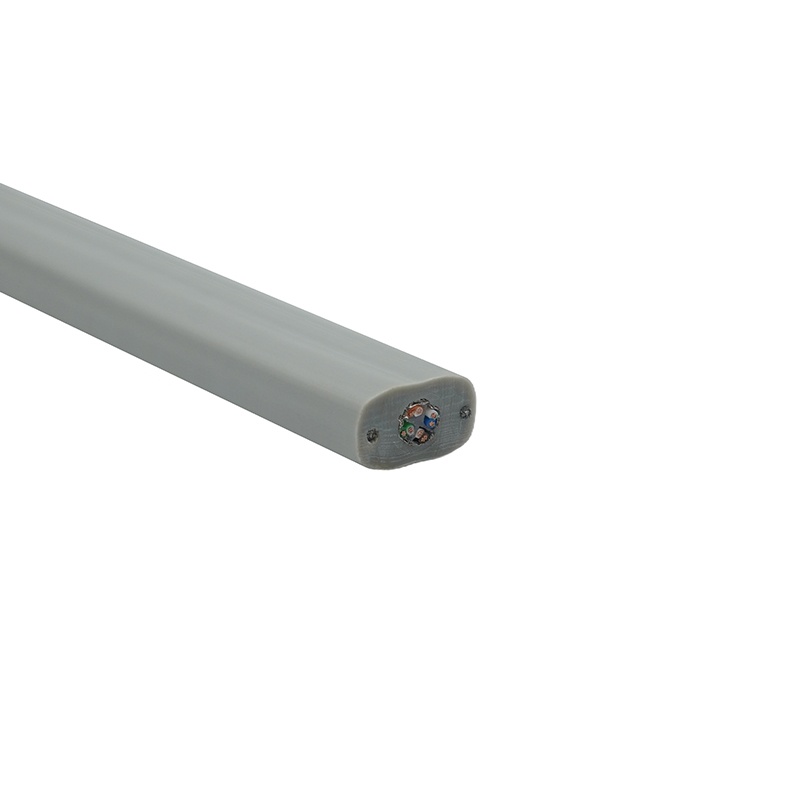
A foam PE or foam PU layer provides the primary buoyancy. The outer jacket uses waterproof PE or PU compounds — selected for their superior resistance to water, oil, UV radiation, abrasion, corrosion, and cold temperatures. Common jacket colors include blue (RAL5015), yellow (RAL1023), and gray (RAL7001) for easy visibility on water.
Key Performance Specifications at a Glance
Understanding the technical limits of floating cables helps in selecting the right product for specific deployment conditions. The table below summarizes typical specifications:
| Parameter | Specification |
|---|---|
| Rated Voltage | ≥0.5mm: 300/500V; <0.5mm: 300/300V |
| Test Voltage | 2500V |
| Operating Temp (Fixed) | -30°C to +90°C |
| Operating Temp (Mobile) | -20°C to +90°C |
| Min. Bend Radius (Fixed) | 5D (D = cable outer diameter) |
| Min. Bend Radius (Mobile, travel <10m) | 6D |
| Min. Bend Radius (Mobile, travel ≥10m) | 8D |
| Conductor Standard | VDE0295 Class 5 / Class 6 |
Where Floating Cables Are Used
Floating cables serve a broad set of industries and use cases. Their design makes them indispensable wherever cables must remain accessible at the water surface or tolerate dynamic submersion:
Underwater Robotics and ROVs
ROV (Remotely Operated Vehicle) tether cables are among the most demanding floating cable applications. These cables carry both power and control signals simultaneously, must resist torsion during vehicle maneuvers, and need to stay buoyant to avoid interfering with the ROV's movement. Kevlar-reinforced floating cables are the standard choice for this application.
Aquaculture and Fish Farming Platforms
Offshore aquaculture farms — such as floating cage systems for salmon or shrimp — require power and monitoring cables that float on the water surface between platforms. Saltwater corrosion resistance and UV stability are critical, as these cables may remain deployed outdoors for months or years.
Offshore Drilling and Water-Surface Platforms
Drilling platforms, jack-up rigs, and floating production units require temporary and semi-permanent cable connections between vessels and platforms. Floating cables allow workers to safely lay and retrieve power lines across open water without the risk of cables sinking and becoming entangled in mooring systems or underwater structures.
Ships and Recreational Vessels
Shore-to-vessel power supply cables benefit from floating construction — a cable that sinks is a fouling hazard and can be damaged by propellers or hulls. Floating power cables used in marinas and harbors are often rated for repeated daily bending cycles, as they must accommodate vessel movement with every tide change.
Environmental Monitoring in Lakes and Reservoirs
Water quality monitoring buoys, weather stations on lakes, and river-level sensors all rely on floating cables to transmit power and data to shore. These installations often operate unattended for extended periods, demanding cables with excellent long-term UV resistance and cold-temperature flexibility down to -30°C.
Underwater Construction and Diving Operations
Temporary power and communication lines used during pile driving, inspection dives, and underwater welding benefit from floating cables that stay visible and accessible at the surface, reducing the risk of diver entanglement and making cable retrieval faster and safer.
Material Properties That Define Floating Cable Performance
The outer jacket material is the first line of defense against the marine environment. The choice between PE and PU jackets — or combinations of the two — has real practical consequences:
- PE (Polyethylene): Excellent water and chemical resistance, low cost, UV-stabilized variants available. Preferred for long-term fixed outdoor installations.
- PU (Polyurethane): Superior abrasion resistance and mechanical toughness. Better suited for dynamic applications where the cable is constantly moving, such as ROV tethers or vessel shore connections.
- Foam PU: Combines PU's toughness with inherent buoyancy. The foam structure lowers the cable's specific gravity below 1.0 g/cm³, enabling it to float without adding external floats.
A well-specified floating cable jacket should simultaneously resist oil contamination (important near vessels and drilling rigs), UV radiation (for surface-exposed installations), cold-temperature embrittlement, and continuous mechanical abrasion from wave action and deck hardware.
How to Select the Right Floating Cable
Choosing the correct floating cable requires evaluating several application-specific factors. Rushing this selection can result in premature cable failure, safety hazards, or unnecessary cost. Consider the following checklist:
- Power or Signal? — Power cables prioritize conductor cross-section and voltage rating. Signal cables require shielding for EMI protection. Combined power-and-signal cables need careful design to avoid interference between both functions.
- Static or Dynamic Deployment? — Fixed installations (monitoring buoys) tolerate stiffer cables with a 5D minimum bend radius. Dynamic applications (ROV tethers, vessel connections) require Class 6 conductors and a minimum 6D–8D bend radius under movement.
- Environmental Severity — Saltwater, UV exposure, oil contamination, and extreme cold each impose specific material requirements. Specify UV-stabilized and oil-resistant jackets for offshore or open-water use.
- Mechanical Load — If the cable will bear tensile loads (hanging vertically or pulled during retrieval), Kevlar fiber reinforcement is essential. Standard cables without tensile elements can stretch or fail under loads as low as a few hundred newtons.
- Temperature Range — Arctic or high-altitude cold-water environments demand cables rated to at least -30°C for fixed installations and -20°C for mobile use.
- Color and Visibility — High-visibility colors (blue, yellow) reduce the risk of cable strikes from boats or propellers in busy waterways.
Custom configurations — including specific conductor counts, non-standard cross-sections, alternative jacket materials, or integrated strength members — are commonly available for project-specific requirements. For unusual structures, dimensions, or special performance needs, specifying requirements upfront to the cable manufacturer will yield the most reliable result.
Floating Cables vs. Standard Submersible Cables: Key Differences
Floating cables and submersible cables both operate in aquatic environments, but they are engineered for fundamentally different roles:
| Feature | Floating Cable | Submersible Cable |
|---|---|---|
| Buoyancy | Designed to float | Designed to sink or stay neutral |
| Primary Environment | Surface water, dynamic water interfaces | Permanent underwater installation |
| Flexibility | High (Class 5–6 conductors, foam layers) | Variable; often lower flexibility |
| UV Resistance | Critical (surface exposure) | Less critical (underwater shielding) |
| Tensile Reinforcement | Often includes Kevlar or polyester yarn | May use armoring instead |
| Typical Applications | ROV tethers, aquaculture, vessel supply | Submarine power, fixed seafloor sensors |
Using a submersible cable where a floating cable is required — or vice versa — is a common specification error that leads to premature jacket failure, cable entanglement, and in some cases, electrical faults in water. Always match the cable type to the actual deployment geometry.
Installation and Maintenance Best Practices
Even a correctly specified floating cable will underperform if improperly installed or maintained. These practical guidelines extend service life significantly:
- Observe minimum bend radius: Never coil or bend a floating cable tighter than its rated minimum — 5D for fixed, 6D–8D for mobile. Tight bending damages foam layers and causes conductor fatigue cracking.
- Avoid anchor points that create sharp kinks: Where cables pass over platform edges or through fairleads, use smooth-radius guides to prevent localized jacket wear.
- Inspect jacket condition regularly: Surface-deployed cables are exposed to UV, mechanical abrasion, and chemical contamination. Inspect for cracking, discoloration, or soft spots in the jacket at least seasonally.
- Keep terminations above water when possible: Even waterproof cables benefit from dry termination environments. Water ingress at connector points is the leading cause of floating cable electrical failure.
- Store coiled loosely in shade: Long-term storage in direct sunlight accelerates UV degradation even in UV-resistant jacket materials. Store off the ground and away from petroleum products.