 EN
 English
 русский
 Español
Harsh Environment Cables: A Practical Selection and Construction Guide
 2026.10.16
 Industry News
Content
Most cable failures do not begin on the day the cable is installed. They begin months earlier, when a standard cable is asked to do a job that was always going to be tough. Heat, oil, constant bending, salt water, grit, and sunlight do not negotiate. They simply expose every weak point in the design.
Our team builds special cables for exactly these situations. The goal is not to sell the most exotic construction. It is to match the cable to the environment, the movement, and the service life you actually need. This guide walks through the decisions that matter most when specifying harsh environment cables.
What Makes a Cable "Harsh Environment"?
Harsh environment cables are not a single product family. The term covers cables designed to keep working where ordinary general-purpose cable would age too fast. A mining conveyor, a crane on a wet dock, an offshore platform, a welding cell, a cleanroom robot, and a solar farm all present different hazards.
Before comparing models, define the environment. What is the temperature range, including startup and emergency conditions? Is the cable wet, submerged, or washed down? Which chemicals, oils, fuels, or cleaning agents are present? Is there abrasion, cutting, UV, ozone, or salt fog? Does the cable stay still, flex occasionally, or bend continuously in a drag chain? Will it be pulled, twisted, or reeled? What electrical and signal performance is required? These answers narrow the design faster than a catalog search.
Match the Jacket and Insulation to the Threat
The jacket is the first line of defense, but insulation, conductor stranding, and shielding must support it. A tough jacket over a brittle conductor still fails. A flexible conductor with a thin jacket may not survive abrasion. The table below gives a practical starting point, not a final specification.
| Material | Strengths | Watch-outs | Typical harsh duty |
|---|---|---|---|
| PVC | General flexibility, moderate oil resistance, cost control | Can stiffen in cold, plasticizer migration in some oils | Control cables, light outdoor use, occasional flexing |
| PUR / TPU | Abrasion, cut, oil, and repeated flexing resistance | Hot-water hydrolysis resistance depends on compound | Drag chains, reeling, mobile equipment, outdoor duty |
| XLPE | High temperature, good dielectric strength, moisture resistance | Less flexible, not for continuous flexing | Power, VFD, fixed installation, industrial distribution |
| LSZH | Low smoke, low halogen, fire safety | Mechanical and abrasion performance varies by compound | Tunnels, public buildings, enclosed industrial spaces |
| Silicone | Very wide temperature range, stays flexible in heat | Lower tear and abrasion resistance, oil resistance varies | High-heat equipment, ovens, welding areas, sensors |
| EPR / Neoprene | Heat, ozone, water, and flame resistance | Heavier construction, oil compatibility must be checked | Marine, heavy rubber cable, outdoor power and control |
Construction Details That Decide Service Life
Conductor and Stranding
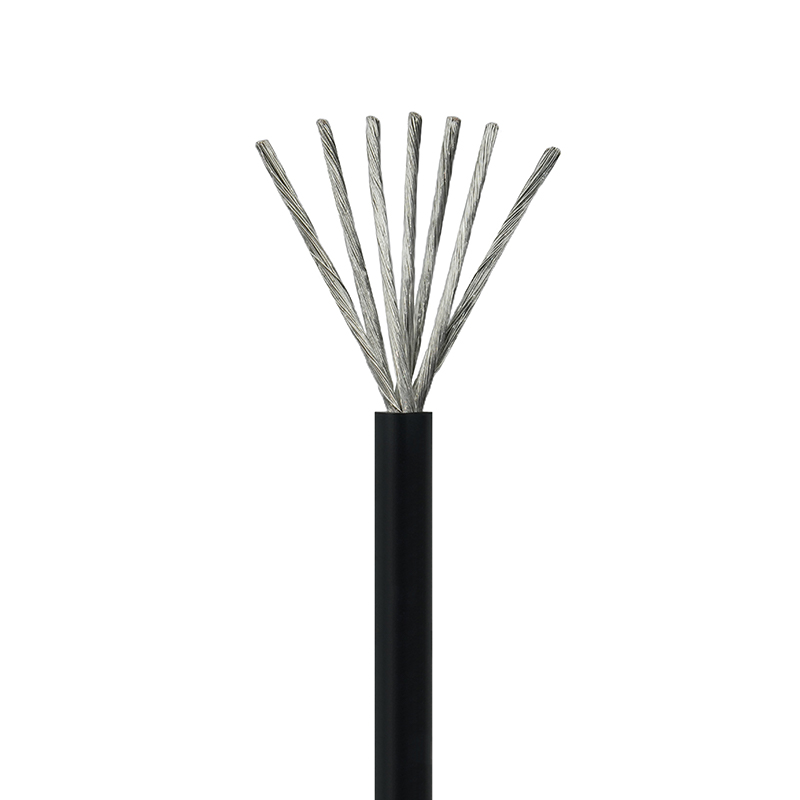
Fine strands improve flex life, but more strands need careful compaction and lay length control. Tinned copper helps in damp or corrosive sites. For continuous flexing, choose a conductor designed for the motion, not just a cable described as flexible. The difference shows up after a few hundred thousand cycles.
Insulation, Fillers, and Water Blocking
Materials such as PVC, PE, XLPE, FEP, silicone, and EPR solve different temperature, dielectric, and chemical problems. Separator tapes and binders keep layers stable during bending and help prevent jacket-to-core adhesion. In wet or vertical runs, fillers and water-blocking tapes matter as much as the outer jacket.
Shielding and Strength Members
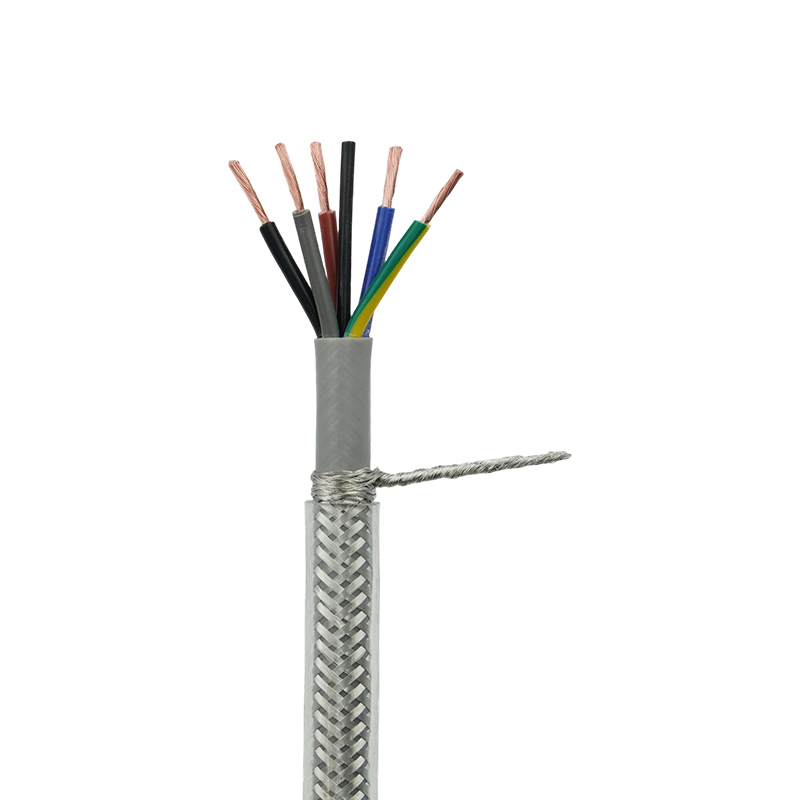
Foil plus braid, braid only, and spiral shields address EMI and mechanical protection in different ways. Coverage, drain wire placement, and flex compatibility all matter. A shield that cracks after 100,000 cycles is not a shield. Strength members and anti-torsion layers also help reeling and long festoon systems carry load without stretching the conductors.
Jacketing and Outer Protection
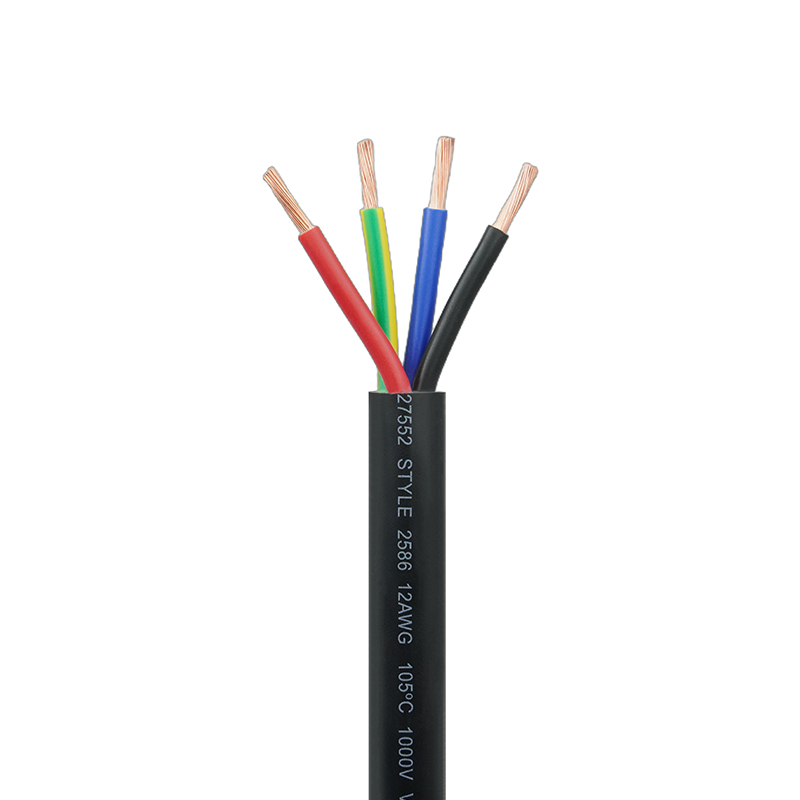
The jacket handles abrasion, chemicals, UV, and moisture, but it must be part of a balanced build. A hard jacket may protect against cutting yet crack under repeated bending. A soft jacket may flex well yet wear through on a rough guide. For outdoor flexing duty with oil exposure, a heavy-duty rubber cable is often a practical place to start.
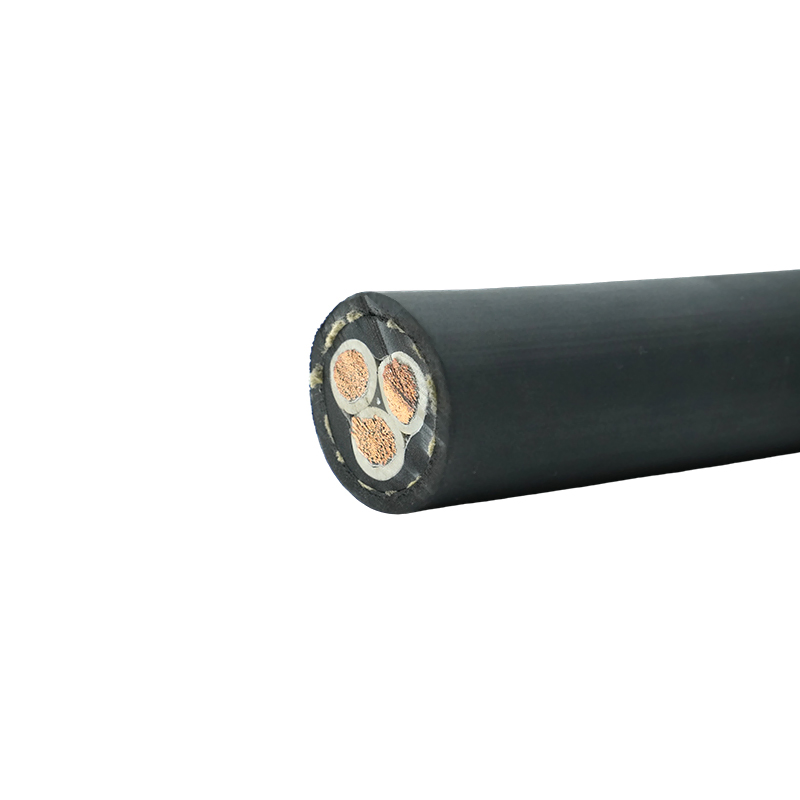 Heavy-Duty Outdoor Oil-Resistant Rubber Flexible CableFor outdoor flexing duty with oil exposure, this heavy-duty rubber cable emphasizes oil and wear resistance for frequently moving industrial machinery power.View Product →
For a closer look at how we approach custom manufacturing, visit our about page.
Cable Families for Common Tough Duties
Drag Chains and Automation
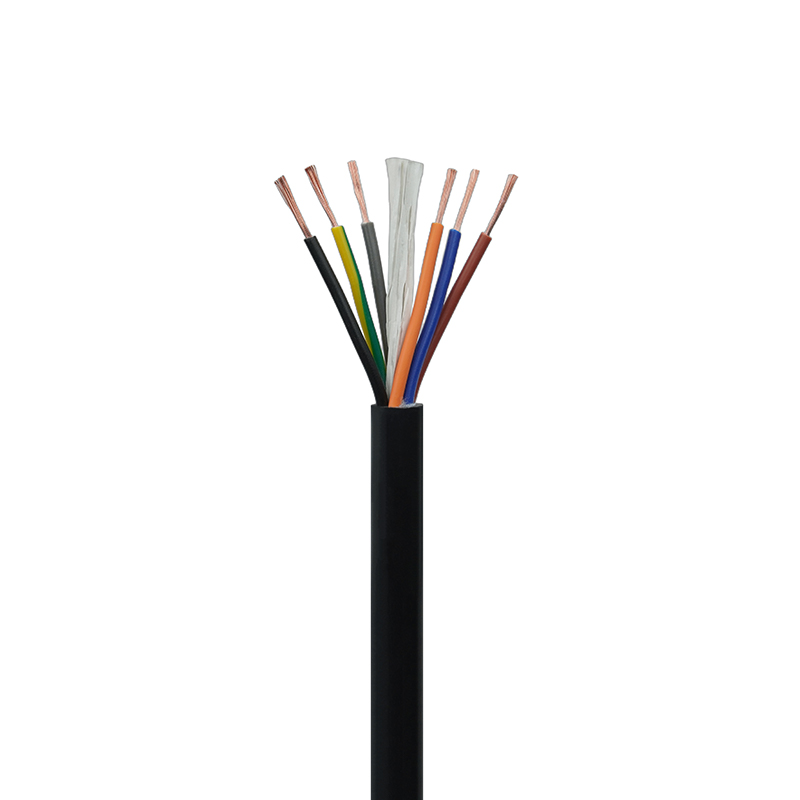
Continuous flexing is its own world. The cable must handle small bend radii, high acceleration, and millions of cycles. Look for high-flex stranding, compatible jacket compounds, and test data tied to the actual travel distance. A shielded PUR drag chain cable can carry power or control while managing EMI in tight spaces.
 High-Flex Polyurethane Shielded Drag Chain CableFor continuous flexing, small bend radii, and EMI management, this shielded PUR drag chain cable suits tight-space power or control runs.View Product →
Cranes, Reeling, and Festoon Systems
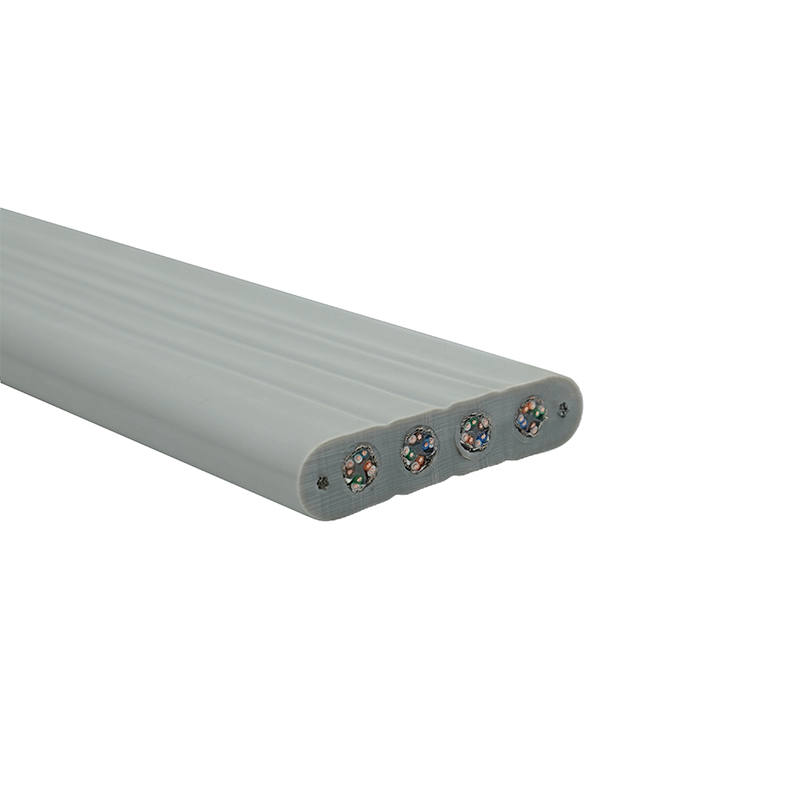
Reeling, festoon, and crane flat cables face tension, twist, and wind. Flat constructions save space and resist tangling, while steel wire reinforcement can carry tensile load. Waterproofing matters on docks and outdoor sites. For wet crane duty, a TPU dual-sheath reeling cable may fit better than a general rubber cable.
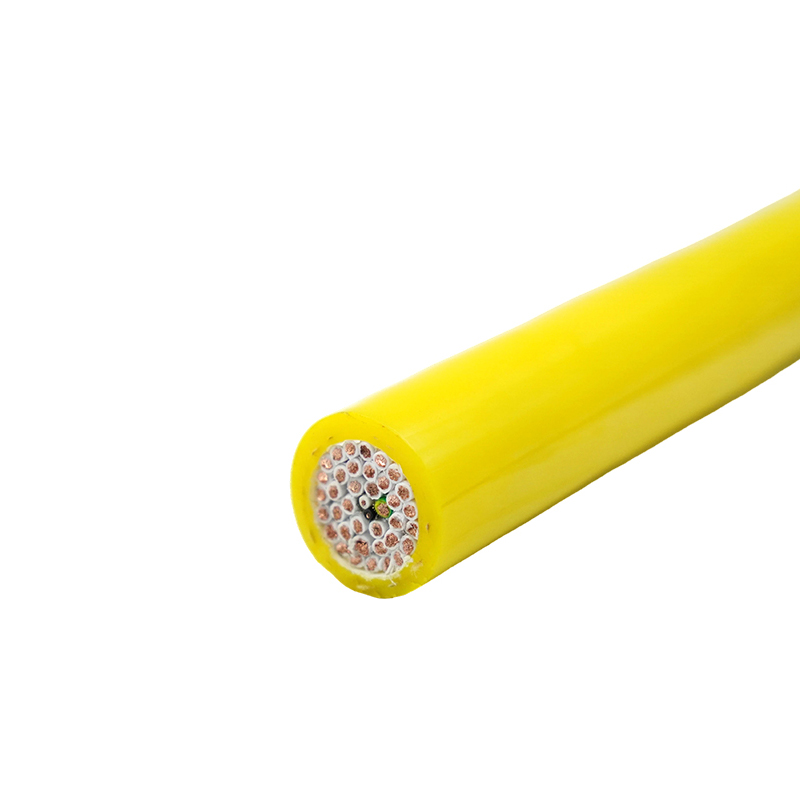 TPU Dual-Sheath Waterproof Crane Reeling CableFor wet crane duty with tension, twist, and frequent winding, this TPU dual-sheath waterproof reeling cable is positioned for power and signal transmission.View Product →
Marine, Underwater, Welding, and New Energy
Marine power cables need ozone, water, and flame performance. Underwater and floating cables need water blocking, buoyancy, and abrasion resistance. Welding cables need high strand count and a jacket that tolerates heat, oil, and dragging. EV charging, photovoltaic, and wind power cables add outdoor UV, temperature cycling, and electrical safety requirements. The common thread is not a single material, but a construction matched to the route.
Certifications, Testing, and Custom Builds
Certification is not a substitute for engineering, but it is a useful filter. UL, CE, CCC, and ISO 9001 each answer different questions. UL supports North American acceptance, CE supports European market access, CCC is essential for many China-bound projects, and ISO 9001 shows a quality management system. For harsh environments, ask for the actual test reports, not just logos. A jacket compound can pass a flame test and still fail in oil at high temperature. A cable can be UV-rated and still crack in cold if the low-temperature test was not appropriate.
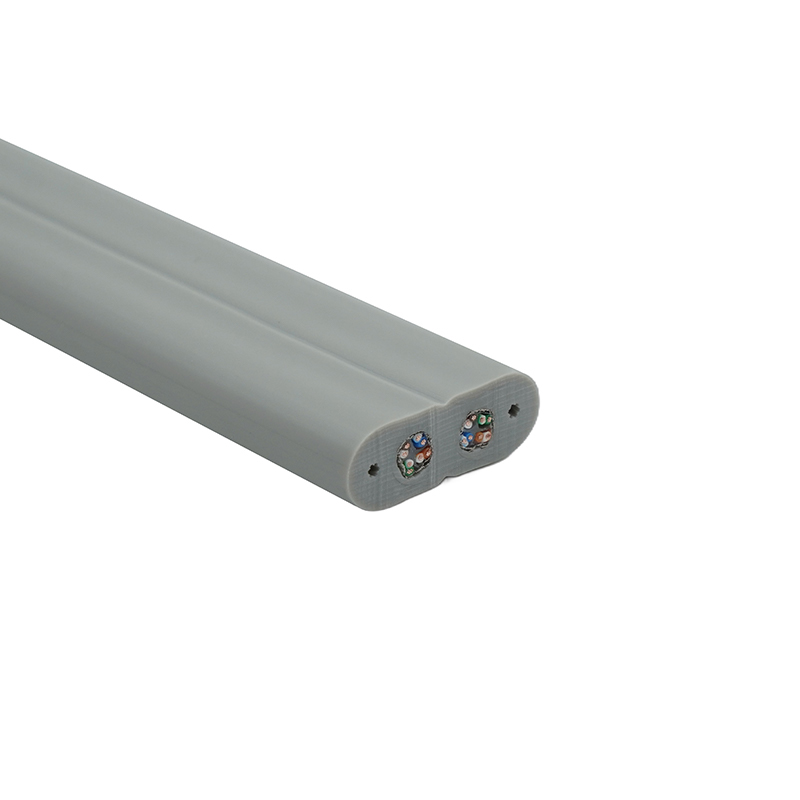
Custom builds often make sense when a standard cable is close but not close enough. Mixed power and signal cores, steel wire strength members, Cat6 elements inside an elevator flat cable, or a water-blocked underwater construction can be designed around the route. Our certification page lists the approvals we maintain, and our engineers can discuss which documents your project needs.
Installation and Maintenance Checklist
Even a well-built cable can fail if installed poorly. Use the specified bend radius, especially for continuous flexing. Do not twist a cable during pull-in. Support vertical runs so weight is not carried by the conductors. Provide strain relief at connectors. Keep cables away from hot surfaces and incompatible chemicals. Use guides and separators in drag chains. Check that the cable's motion matches its design: occasional flex, continuous flex, torsion, and reeling are not interchangeable.
- Confirm the actual temperature, oil, water, and UV exposure at the cable route.
- Check bend radius, travel distance, acceleration, and torsional load.
- Verify shielding coverage and grounding for EMI-sensitive circuits.
- Review jacket material compatibility with cleaning agents and process fluids.
- Inspect for jacket swelling, flattening, exposed braid, or broken strands.
- Keep spare cable and service records for critical equipment.
A five-minute inspection can prevent a day of downtime. Replace damaged cable before it fails, and log the service hours of cables in high-cycle machinery.
Choosing harsh environment cables is really a process of elimination. Define the hazards, match materials and construction, verify test data, and install the cable as carefully as you selected it. When a standard cable is almost right, it is usually better to adjust the design than to hope for a different result. We would rather help you specify a cable that lasts than replace one that almost did.