
 EN
EN
 English
 русский
 Español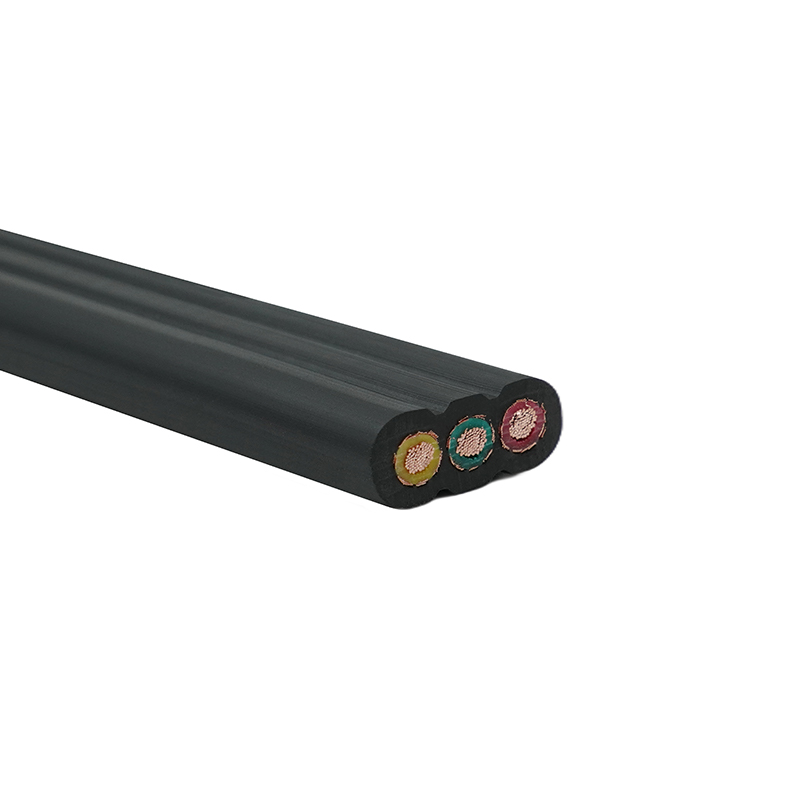

Key Performance Features of Elevator Flat Traveling Cables in Vertical Motion Systems
Conductor construction and why strand count matters
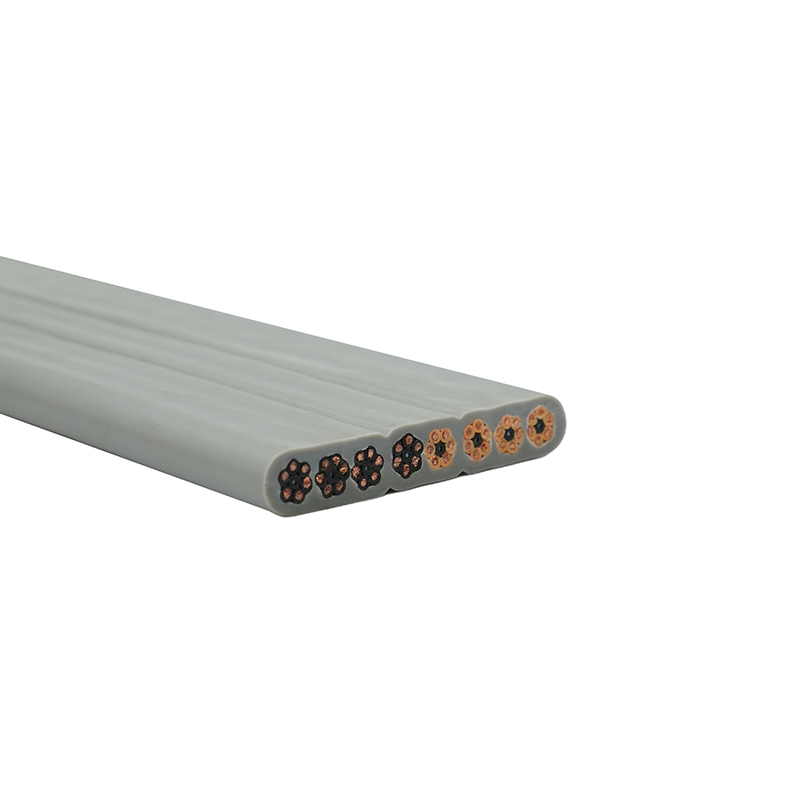
Elevator flat traveling cables rely on fine-stranded copper conductors to survive continuous vertical motion and frequent flexing. Increasing the number of strands reduces the bending stress on each individual filament, which lowers the likelihood of conductor breakage under cyclic loads. For applications with tight bending radii at sheave points or where the cable wraps on small reels, extra-fine stranding and balanced lay directions reduce internal fretting and help maintain consistent contact resistance over the cable’s life.
Flat geometry: space efficiency and mechanical behavior
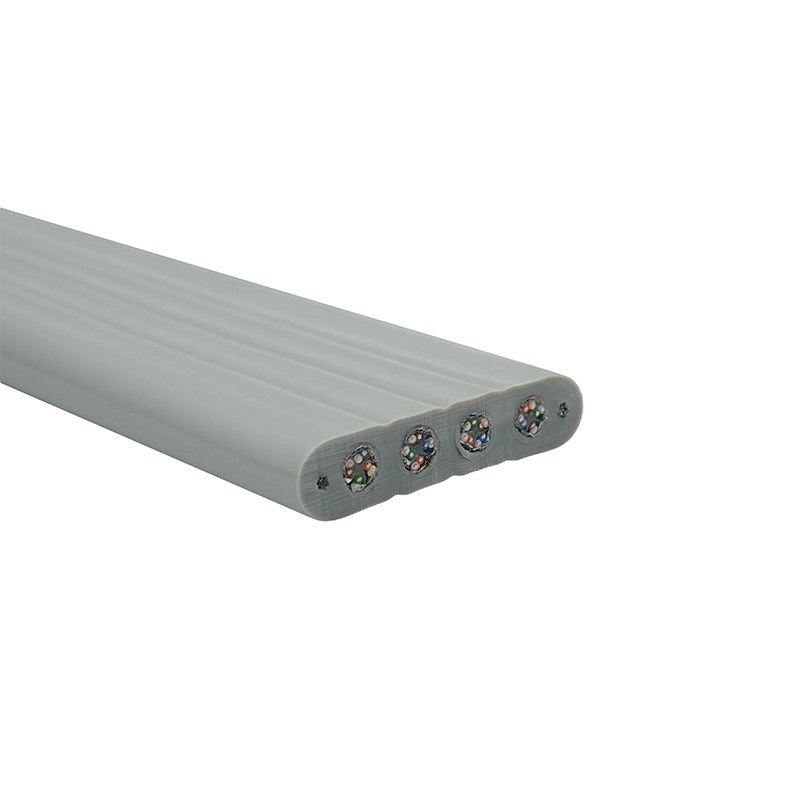
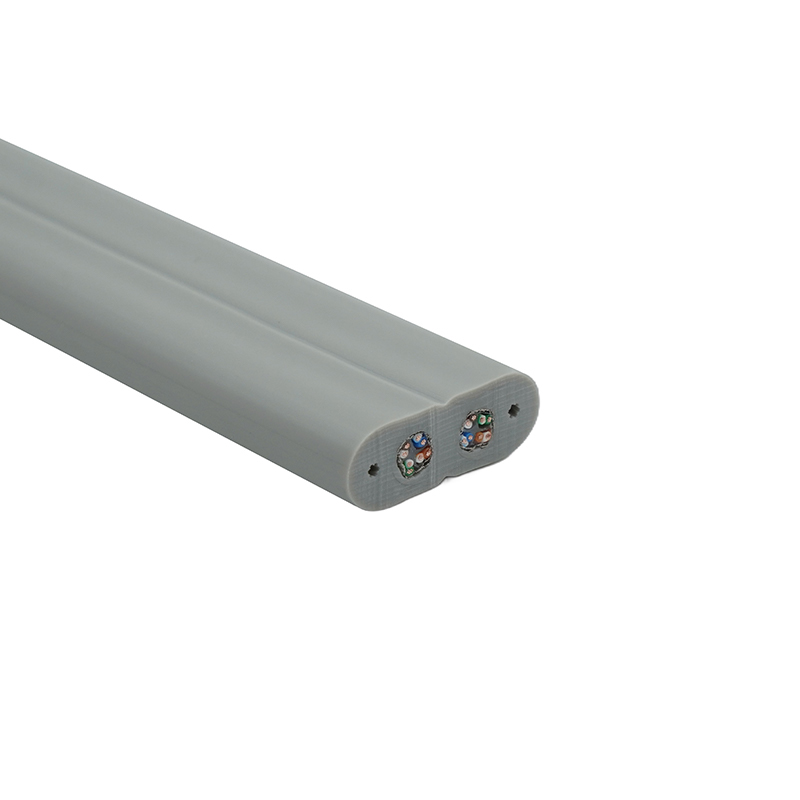
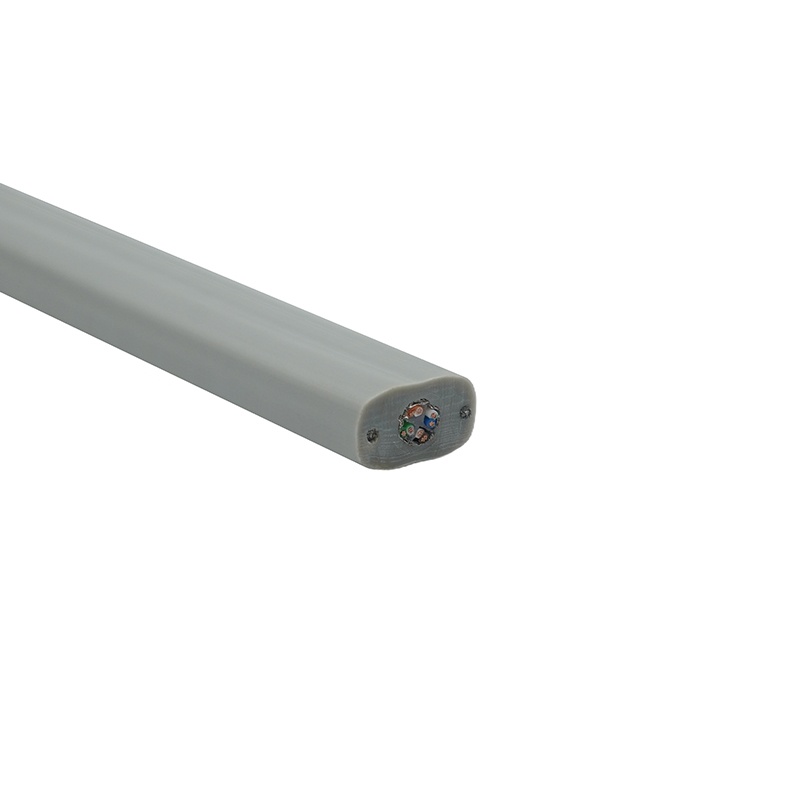
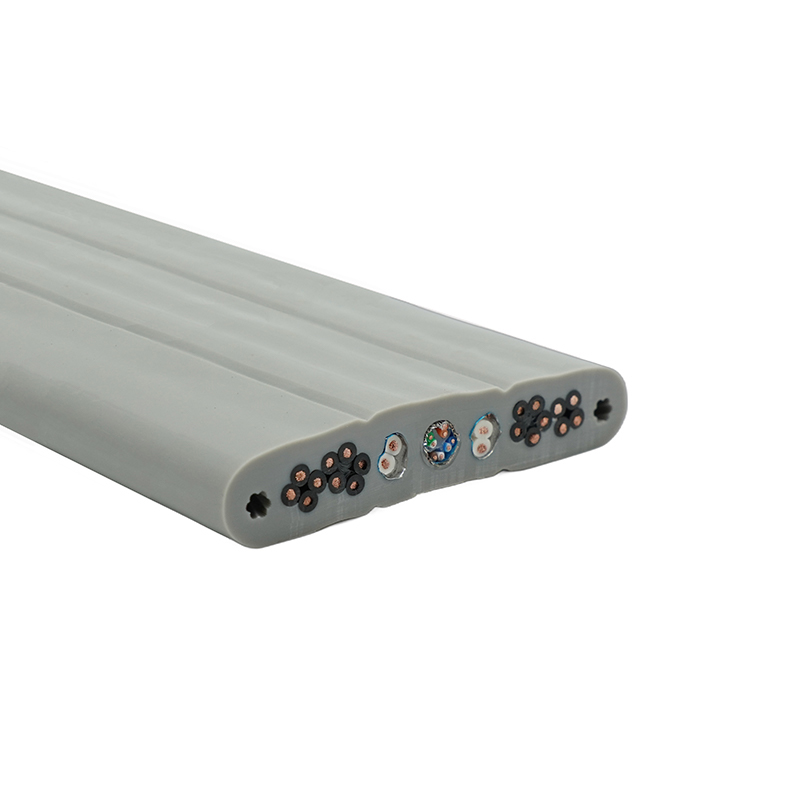
The flat cross-section is chosen to minimize shaft space usage and to prevent twisting or tangling during vertical travel. Flattened constructions change the cable’s neutral axis and bending characteristics compared with round cables; they permit a smaller overall build while keeping individual conductor paths stable. However, flat geometry concentrates shear forces on inter-conductor insulation at the bend extremes, so designers must verify interlayer adhesion, insulation thickness and any strain-relief features to avoid delamination in long-term service.
Sheath materials and environmental resilience
Sheath choice—commonly oil-resistant PVC or aging-resistant rubber compounds—directly determines the cable’s resistance to shaft contaminants, humidity and temperature cycling. PVC compounds offer consistent dielectric performance and ease of extrusion, while rubber sheaths provide superior low-temperature flexibility and mechanical toughness. In elevator shafts with hydraulic equipment, select oil-resistant formulations to prevent swelling and softening; in shafts exposed to UV through glass panels or strong ozone, prefer rubber blends with anti-ozonants for longer service life.
Signal integrity and integrated data pairs (Cat6 flat options)
Modern elevator systems combine power, control and high-speed data channels. Integrating Cat6-style flat pairs requires controlled pair geometry, consistent pair twist, and careful separation from power conductors to limit crosstalk and maintain near-end/far-end return loss (NEXT/FLR) performance. When specifying flat Cat6 elevator cables, request impedance reports across 1–250 MHz, pair-to-pair coupling numbers and sample continuity tests after flex cycles to confirm that data performance survives mechanical stress.
Mechanical protection, abrasion resistance and shaft mounting
Abrasion from sheave edges, guide rails or dust-laden environments is a frequent failure mechanism. Choose cables with reinforced outer layers or consider adding external abrasion sleeves at known wear points. Mounting hardware—clamps, guides and grommets—must be selected to match the flat profile; rounded clamps or lined channels reduce point loading. Note that protective additions change bending radius requirements and may add stiffness; validate the assembly under representative motion profiles before installation.
Electrical safety and fire performance
Elevator cables must meet fire, smoke and toxicity standards relevant to building codes in the installation jurisdiction. Flame-retardant formulations and low-smoke, zero-halogen (LSZH) alternatives reduce hazard during a fire event. Always confirm required fire performance and request supplier test data—such as vertical flame spread and smoke emission—because sheath formulations that improve flexibility or oil resistance can affect flame behavior.
Fatigue testing and lifecycle verification
Specify flex-life testing that emulates the elevator’s expected stroke length, speed and cycle count. Standardized lab data is useful, but nothing replaces a duty-cycle test that mirrors the installation’s real-world motion profile. Request test reports showing conductor integrity, insulation resistance and signal transmission before and after a defined number of cycles; compare the test cycles to your expected annual cycles to estimate replacement intervals and plan preventive maintenance.
Shielding, grounding and EMI considerations
Where sensitive monitoring or communication lines run alongside power, integrated shielding or discrete shielded pairs minimize electromagnetic interference. Flat cables can include foil or braid shields, but shield termination and continuous grounding along the cable route are essential to maintain effectiveness. Evaluate the cable’s shield coverage percentage and resistance; poor terminations or intermittent shield contacts during flexing will degrade immunity to external noise sources.
Inspection, maintenance and on-site diagnostics
- Visual inspection — check for sheath cuts, crush marks, surface hardening or discoloration indicative of chemical attack or ozone exposure.
- Bend test — perform a gentle cold bend to detect embrittlement; reduced flexibility often precedes cracking under load.
- Electrical checks — measure insulation resistance and continuity for each conductor and for shield continuity after scheduled cycles or suspect events.
- Record keeping — document cable route, identified wear points and replacement history to refine future specifications and procurement.
Supplier qualifications, certifications and traceability
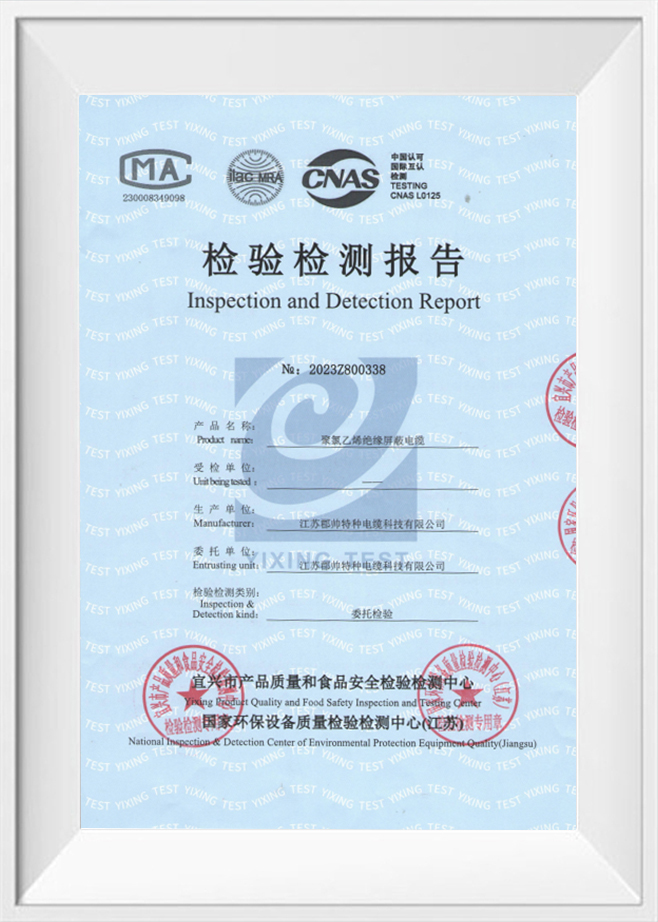
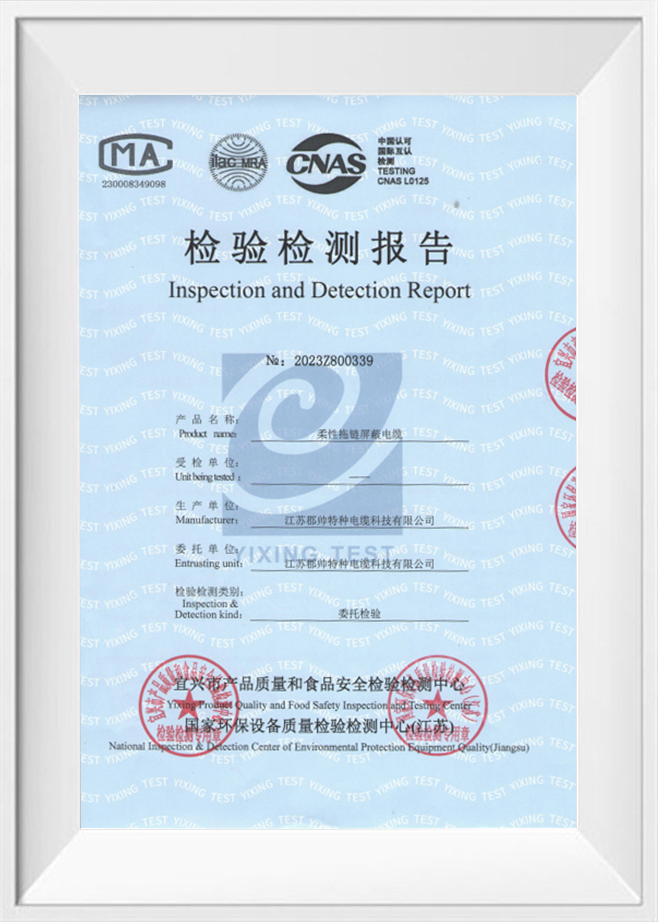
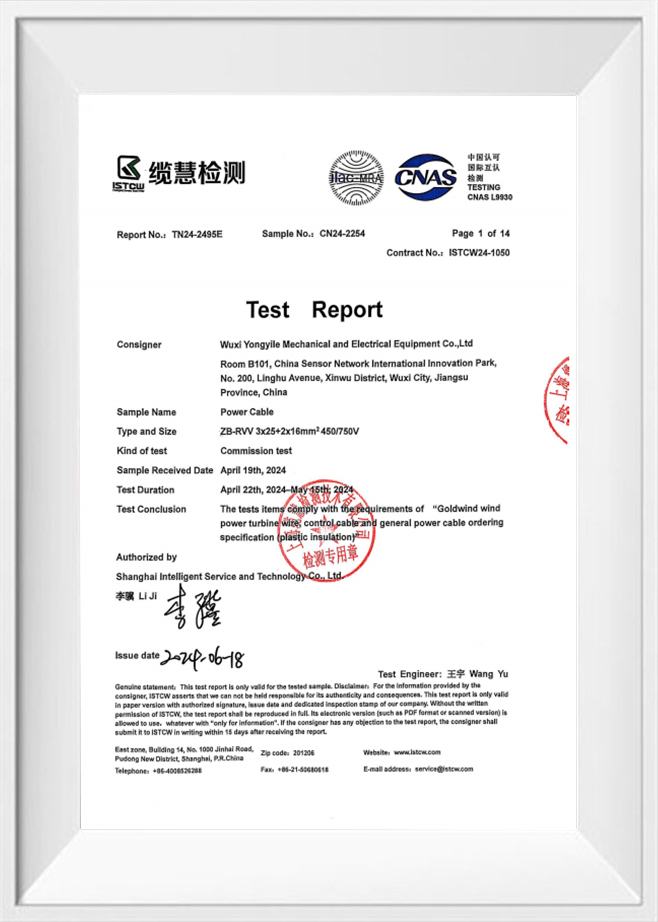
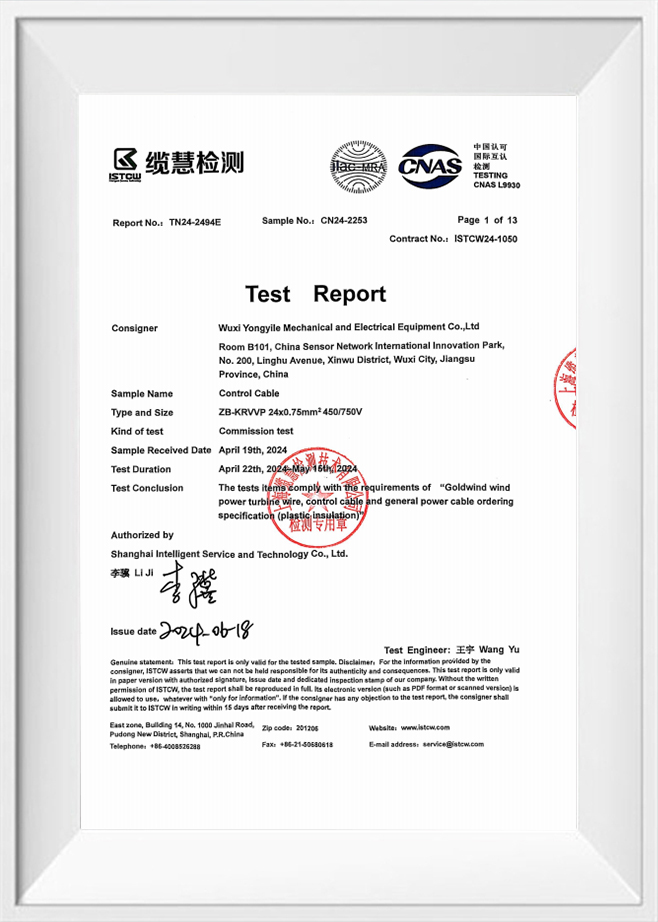
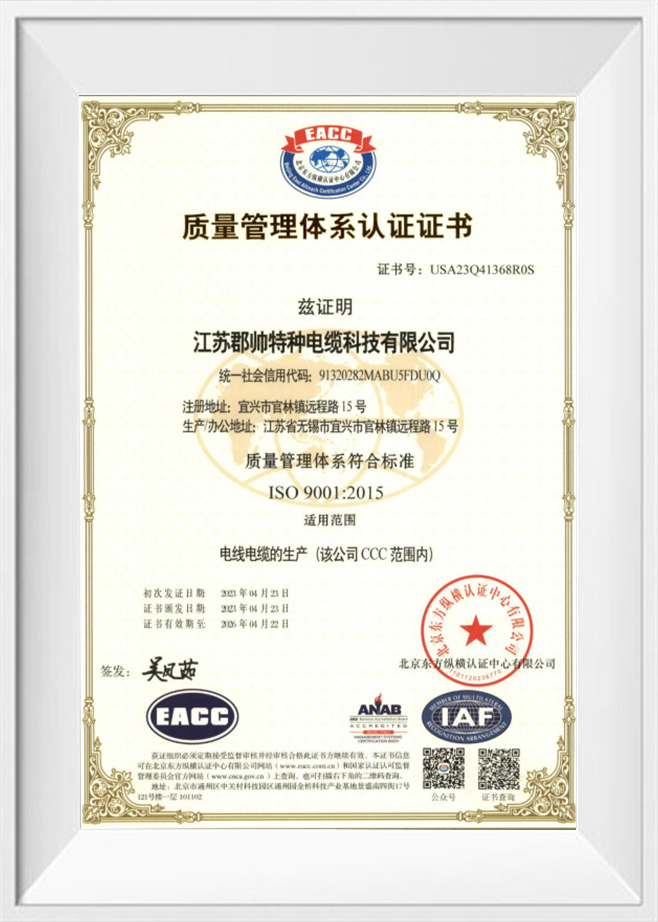
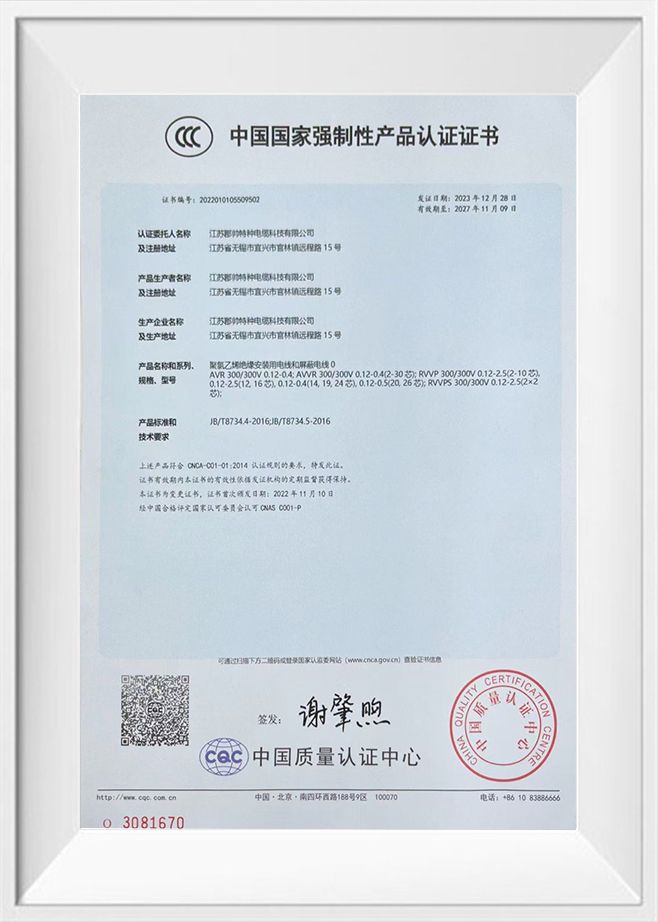
Suppliers that hold CCC, UL, ISO9001 and CE certifications typically demonstrate consistent production controls and access to relevant test labs. For critical elevator systems, demand material traceability, sample test results for flex and flame performance, and factory inspection options. When ordering custom elevator flat traveling cables, require a prototype run with signed test results to avoid surprises in mass production deliveries.
Quick comparison: PVC vs rubber sheaths for elevator flat cables
| Property | PVC | Rubber |
| Low-temperature flexibility | Adequate to moderate | Superior |
| Oil and hydraulic fluid resistance | Variable; specialized compounds required | Generally better with NBR blends |
| Aging and ozone resistance | Good with stabilizers | Excellent when formulated with anti-ozonants |
| Flame and smoke performance | Easily formulated for flame retardancy | Possible, but requires specific formulations |
Practical procurement tips for elevator projects
Before committing to a cable supplier, align on the elevator’s stroke length, speed, environment and expected cycle count. Request sample lengths tested for both electrical and mechanical performance, insist on documented flex and flame test results, and confirm shield and pair performance when integrated data channels are required. For specialized needs—such as Cat6 flat elevator cables or enhanced oil resistance—work with manufacturers experienced in custom traveling cables and who can deliver traceable test certificates and representative samples prior to full production.