 EN
EN
 English
 русский
 Español
Medical Device Cables: Types, Requirements & How to Choose a Supplier
 2026.04.10
 Industry News
Content
What Are Medical Device Cables?
Medical device cables are purpose-engineered electrical interconnects designed to transmit power, data, and signals within and between medical equipment. Unlike standard industrial cables, they must operate reliably in environments where a single failure can directly affect patient safety — from the operating room floor to an implantable cardiac monitor.
What separates a medical device cable from its industrial counterpart is not just the materials used, but the depth of engineering behind every design decision. Conductor stranding, insulation chemistry, shielding architecture, and jacket flexibility are all specified against a backdrop of clinical performance requirements that no ordinary cable standard addresses. Patient contact, sterilization cycles, and electromagnetic interference (EMI) in dense hospital environments demand a fundamentally different approach to cable design.
As medical technology continues to evolve — with imaging systems, surgical robots, and wearable monitors growing more sophisticated — the electrical interconnects that power them are becoming equally complex.
Critical Performance Requirements
Engineers specifying medical device cables must satisfy a set of performance criteria that go well beyond voltage rating and conductor size. The following requirements are non-negotiable in virtually every medical application:
- Biocompatibility: Any cable that contacts the patient — directly or indirectly — must use materials that do not cause cytotoxic, sensitizing, or irritant reactions. Biocompatibility is evaluated under ISO 10993, covering everything from skin contact to blood contact in implantable devices.
- Sterilization resistance: Reusable cables must survive repeated sterilization processes — autoclaving, gamma irradiation, ethylene oxide (EtO) treatment, or chemical disinfection — without degrading electrically or mechanically. Material selection at the jacket and insulation level is critical here.
- EMI/RFI shielding: Hospital environments are electromagnetically dense. MRI suites, X-ray rooms, and ICUs generate interference that can corrupt diagnostic data or disrupt device operation. Effective shielding — foil, braid, or spiral — is essential to signal integrity.
- Mechanical flex life: Point-of-care cables and handheld diagnostic tools are repeatedly bent, coiled, and repositioned. The cable must maintain full electrical performance after tens of thousands of flex cycles without conductor fatigue or insulation cracking.
- Miniaturization: The trend toward minimally invasive surgery and portable diagnostics demands smaller, lighter cables that do not compromise performance. Microminiature coaxial designs and fine-gauge stranded conductors address this need.
Common Types of Medical Device Cables
Medical device cables come in several construction families, each suited to specific performance demands. Selecting the right type begins with understanding what each construction offers:
| Cable Type | Key Characteristics | Typical Applications |
|---|---|---|
| Coaxial | High-frequency signal integrity, low noise | Ultrasound probes, endoscopes, imaging systems |
| Silicone-jacketed | Biocompatible, sterilization-resistant, flexible | Patient monitoring leads, surgical handpieces |
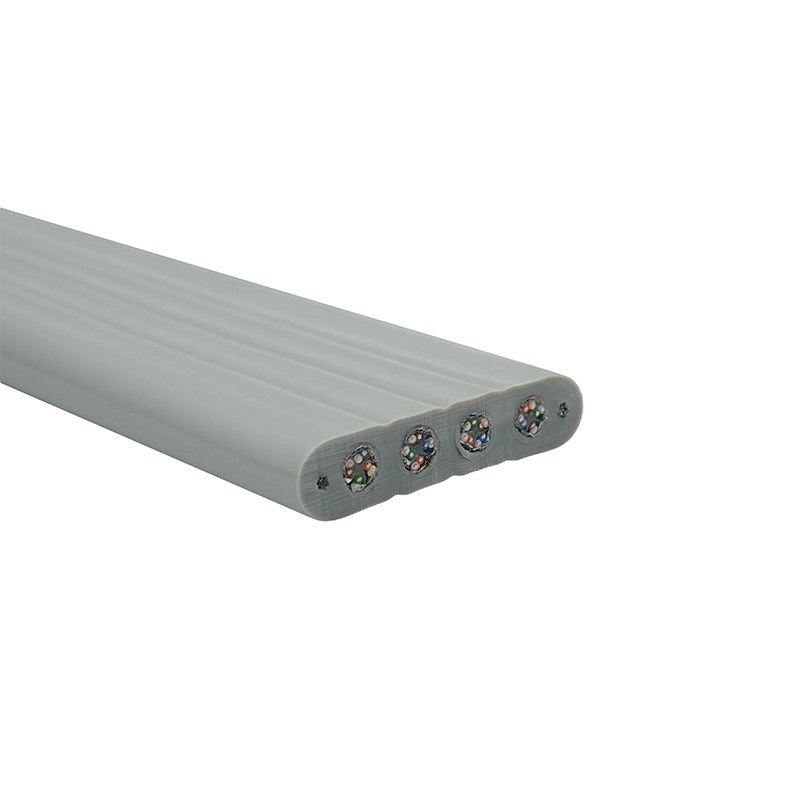
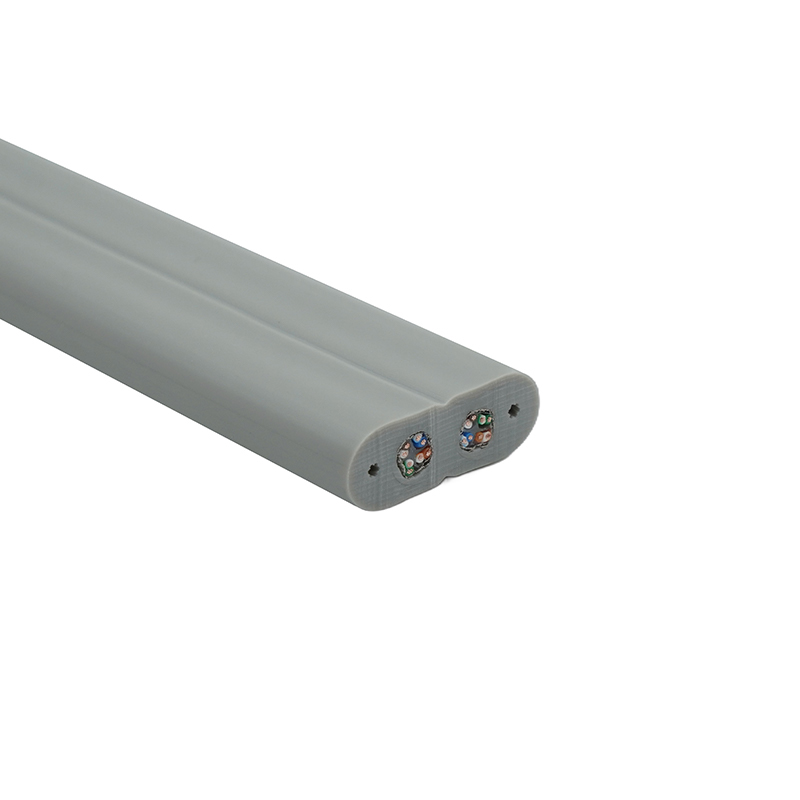
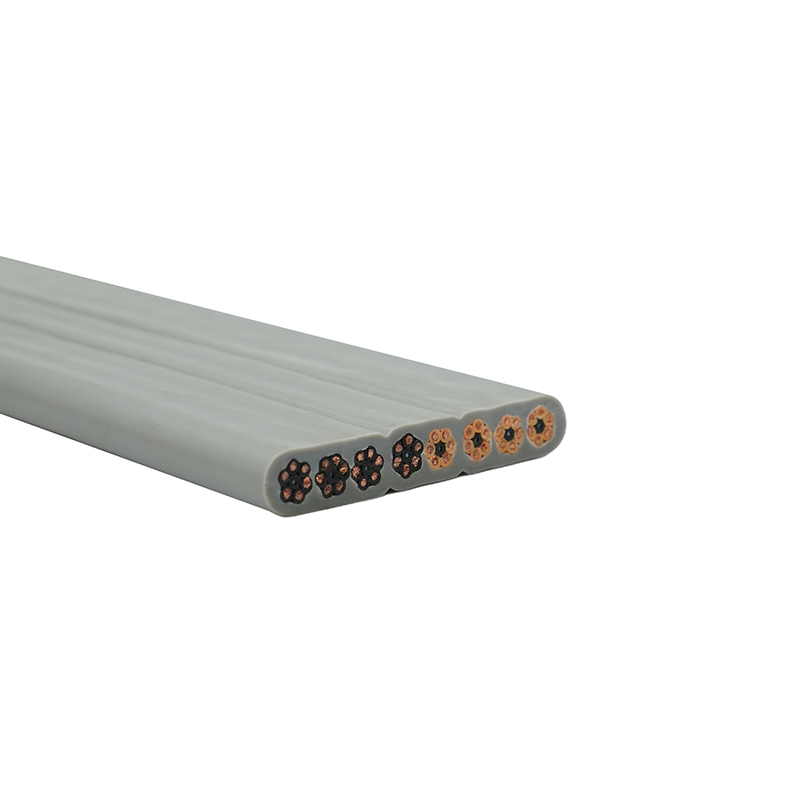
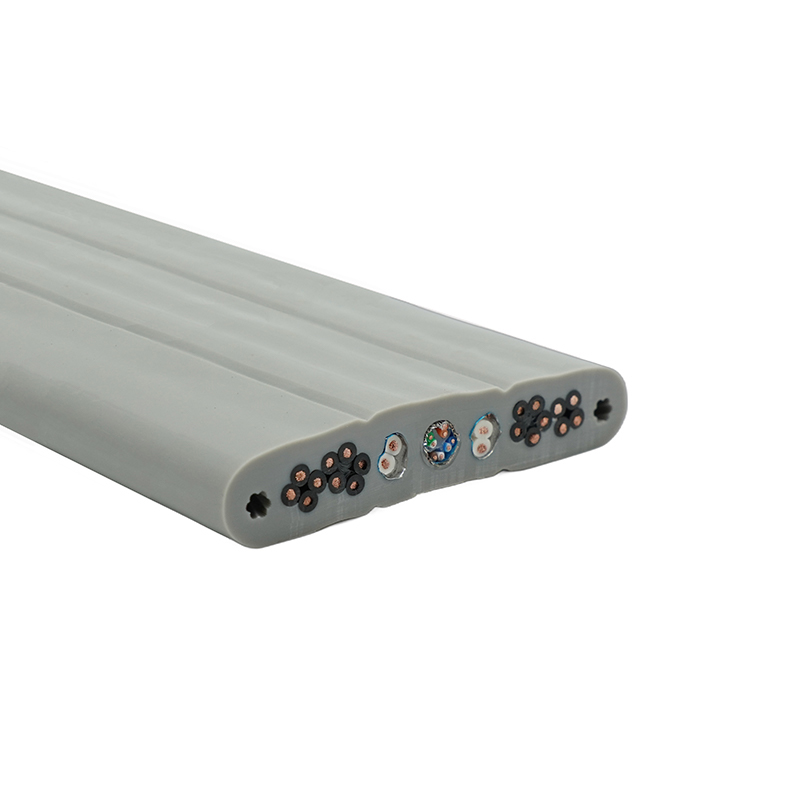
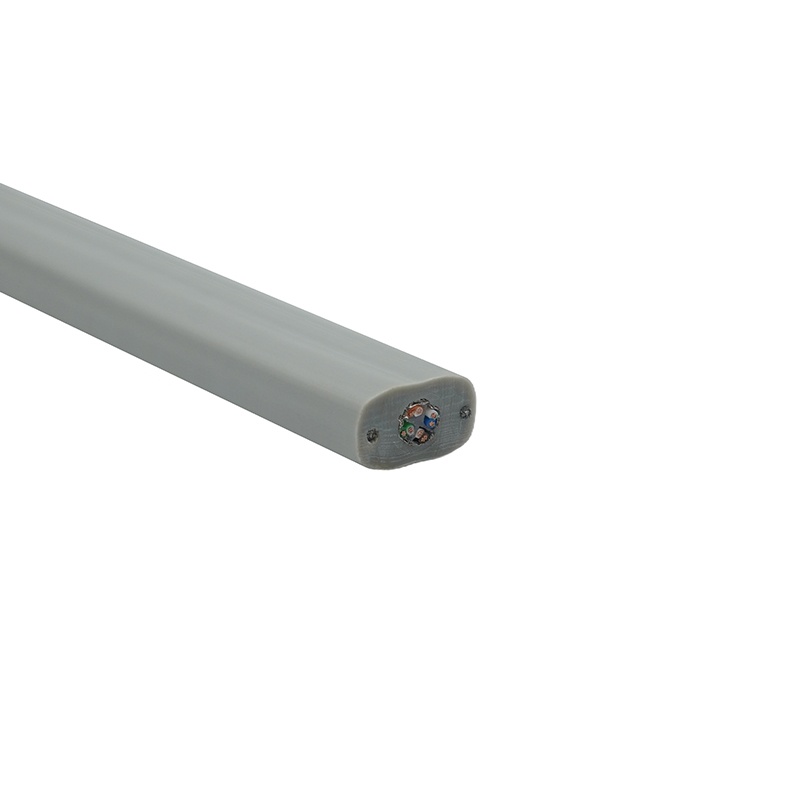
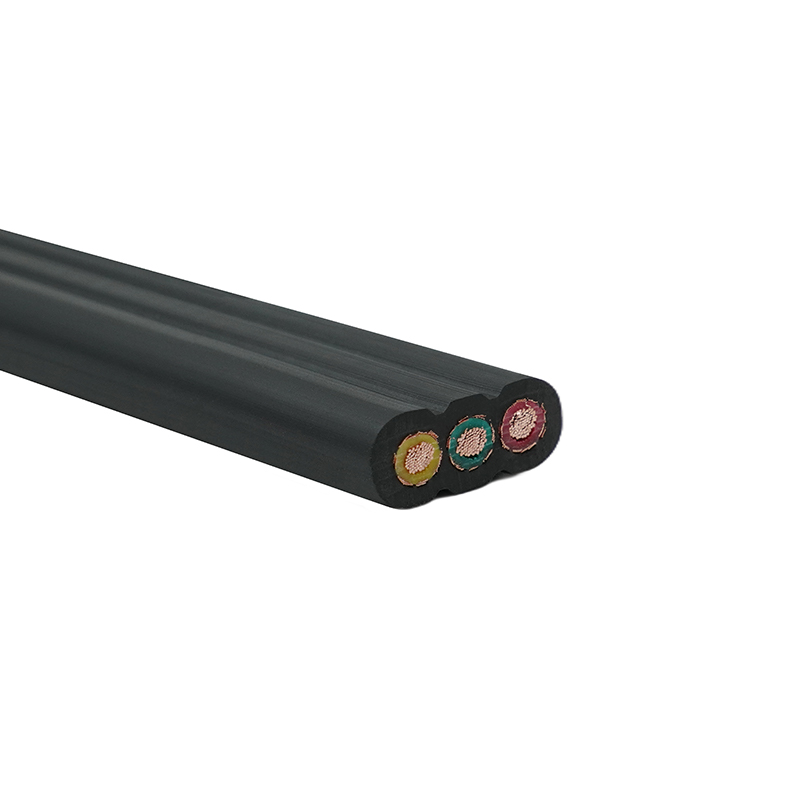
| Flat / Ribbon | Space-efficient, consistent impedance across conductors | CT scanners, MRI systems, compact diagnostic devices |
| Hybrid | Combines power, signal, and fiber optic in one jacket | Surgical robots, laparoscopic systems |
| Soft sheath cables | High flexibility, smooth surface, low friction | Wearable monitors, handheld diagnostics, patient-contact devices |
| Communication cables | Shielded, multi-pair, data-optimized | Hospital network systems, telemetry units, data acquisition |
Single-use cables introduce a different design philosophy. Without the need to survive sterilization cycles, single-use designs can prioritize cost efficiency and consistent first-use performance. Multi-use cables, by contrast, must factor sterilization compatibility into every layer of the construction from day one.
Key Application Areas
The medical device cable market spans a broad range of clinical settings. Each area places its own specific demands on cable performance:
Medical imaging systems — CT scanners, MRI machines, digital X-ray, and ultrasound equipment all require cables capable of transmitting high-resolution data at high frequencies over extended distances without signal degradation. Flat cables are widely used in rotating gantry systems where space is limited and continuous flexing is unavoidable.
Patient monitoring — ECG leads, SpO₂ cables, and telemetry transmitters must handle constant repositioning by clinical staff while maintaining reliable low-level signal transmission. Flex life and connector durability are primary design drivers in this category.
Surgical robotics and minimally invasive surgery — Robotic surgical systems like those used in laparoscopic procedures require cables that combine extreme flexibility, torsional resistance, and the ability to integrate multiple functions — power, signal, and illumination — in a single hybrid construction routed through tight mechanical joints.
Wearable and portable medical devices — As point-of-care diagnostics and remote patient monitoring expand, cables must become lighter, smaller, and more resistant to physical handling. Miniaturization pressure is most acute in this segment, where cable bulk directly affects patient comfort and device usability.
Life support and critical care equipment — Respirators, infusion pumps, and defibrillators operate in environments where cable failure is not an option. Redundant shielding and robust mechanical construction are prioritized alongside electrical performance.
Materials and Cable Construction
The performance of a medical device cable is ultimately determined by the materials chosen at each layer of the construction. Engineers must evaluate every component against the clinical environment the cable will operate in.
Conductors are typically fine-gauge stranded copper, chosen for flexibility and conductivity. Silver-plated copper is used when low-noise performance or high-frequency response is required. For implantable applications, platinum-iridium and other specialty alloys provide the biocompatibility and corrosion resistance that copper cannot.
Insulation materials determine both electrical properties and sterilization compatibility. PTFE (polytetrafluoroethylene) offers outstanding chemical resistance and can survive autoclaving. FEP and ETFE provide similar chemical stability in thinner wall thicknesses, supporting miniaturization. Silicone insulation is preferred for patient-contact applications due to its inherent biocompatibility and softness.
Shielding architecture is selected based on the interference environment and the required attenuation level. For a detailed look at how foil, braid, and spiral shielding compare across applications, see our guide to cable shielding types. In medical settings, combination shielding — braid over foil — is frequently specified where complete EMI coverage is required.
Jacket materials face the toughest specification challenge. PUR (polyurethane) jackets deliver excellent abrasion resistance and chemical resistance for floor-contact cables. Silicone jackets are chosen when the cable will be sterilized or contact patients. TPE (thermoplastic elastomer) strikes a middle ground — biocompatible enough for many applications, processable at lower cost than silicone.
Compliance Standards That Matter
Medical device cables do not exist outside the regulatory framework governing the devices they connect. Compliance is not optional — it is a prerequisite for market access and clinical deployment.
ISO 13485:2016 is the foundational quality management standard for medical device manufacturers. Suppliers of cable assemblies for use in regulated medical devices are increasingly expected to hold ISO 13485 certification themselves, not merely their OEM customers.
IEC 60601-1 sets the electrical safety and essential performance requirements for medical electrical equipment. Cables used in Class I and Class II equipment must meet the creepage, clearance, and insulation requirements defined in this standard.
FDA 510(k) and medical device registration requirements affect finished device manufacturers, but cable suppliers must understand how their products contribute to the safety case presented in regulatory submissions. Material traceability and consistent batch testing are prerequisites for inclusion in a compliant supply chain.
UL certification remains one of the most recognized safety benchmarks for cables used in North American healthcare facilities. Our UL certified cables meet the relevant UL standards, providing a documented path to compliance for OEM customers sourcing components for the U.S. market.
RoHS and REACH compliance restricts the use of hazardous substances — including specific heavy metals and plasticizers — in cables distributed into the European market. Medical device cables destined for EU hospitals must carry documented compliance with both directives.
How to Select a Medical Device Cable Supplier
Sourcing medical device cables is a supply chain decision with direct implications for device performance, regulatory compliance, and patient safety. The following criteria should guide the evaluation of any potential cable manufacturer:
- Certifications and quality system: Confirm that the supplier holds ISO 9001 at a minimum, and ideally ISO 13485 if your application is a regulated medical device. Ask to review their quality management documentation, not just the certificate.
- Material traceability: A capable medical cable supplier maintains full traceability from raw material lot to finished cable assembly. This is non-negotiable for regulatory submissions and post-market surveillance.
- Customization capability: Standard catalog cables rarely meet the specific dimensional, electrical, and material requirements of medical applications. Evaluate whether the supplier has genuine custom engineering capability — not just the ability to cut standard cable to length.
- Testing infrastructure: In-house electrical testing, mechanical flex testing, and environmental simulation (temperature cycling, chemical exposure) allow a supplier to validate cable performance before shipment. Suppliers that rely entirely on third-party labs for testing introduce lead time and traceability risk.
- Production capacity and lead time reliability: Medical device production schedules are rigid. Assess the supplier's production capacity, on-time delivery record, and contingency planning before committing to a supply relationship.
- Engineering support: The best cable suppliers function as engineering partners, not just component vendors. Early supplier involvement in cable design — particularly for miniaturized or custom hybrid constructions — reduces development time and avoids costly late-stage redesigns.
Medical device cables are safety-critical components. The cost of a cable that fails in clinical use — in equipment downtime, regulatory action, or patient harm — far exceeds any savings from choosing a lower-cost supplier that cannot meet the full specification. Select your cable supplier with the same rigor you apply to any other regulated component in your device.