
 EN
EN
 English
 русский
 Español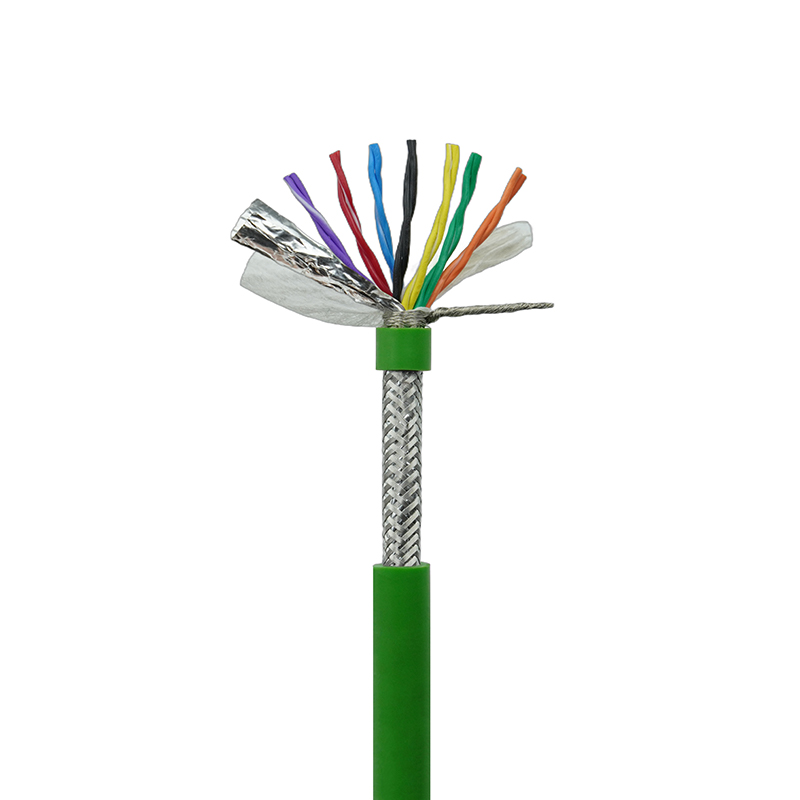

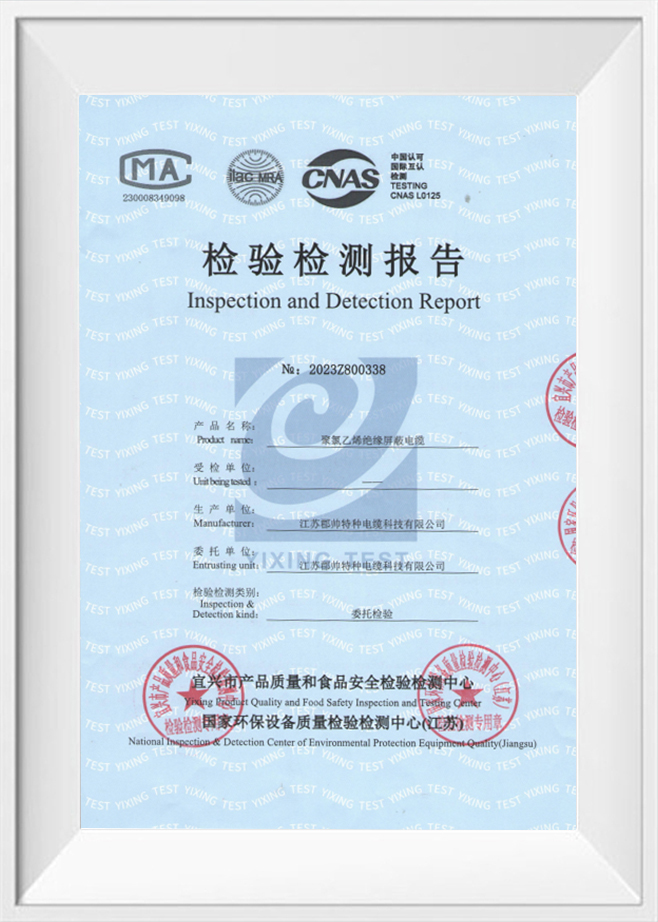
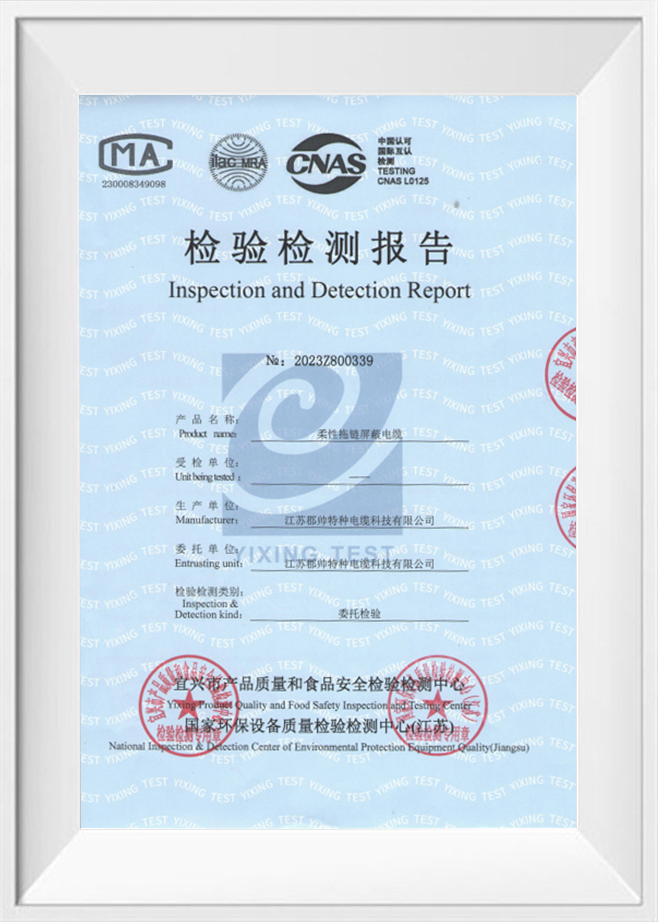
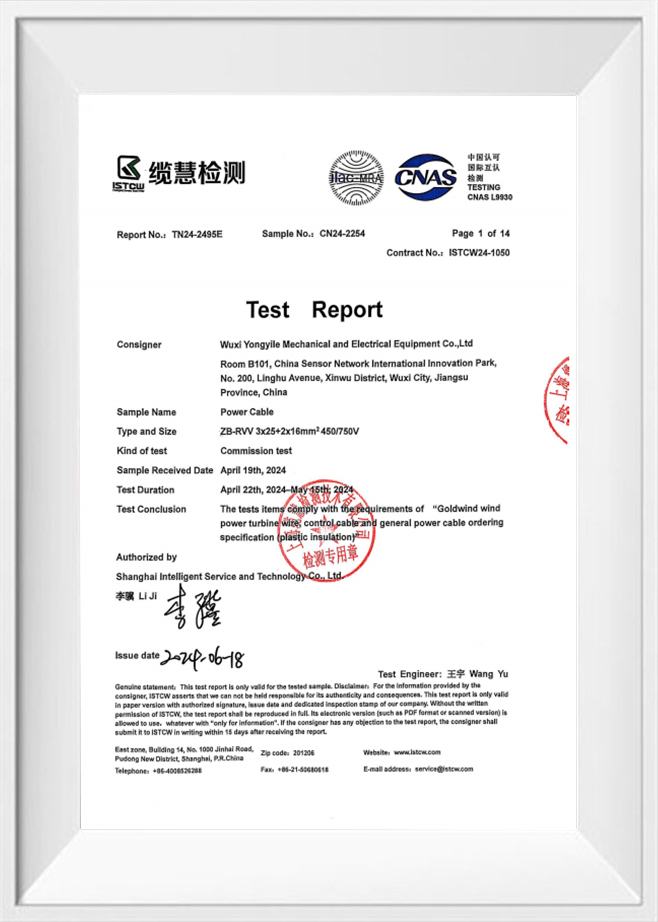
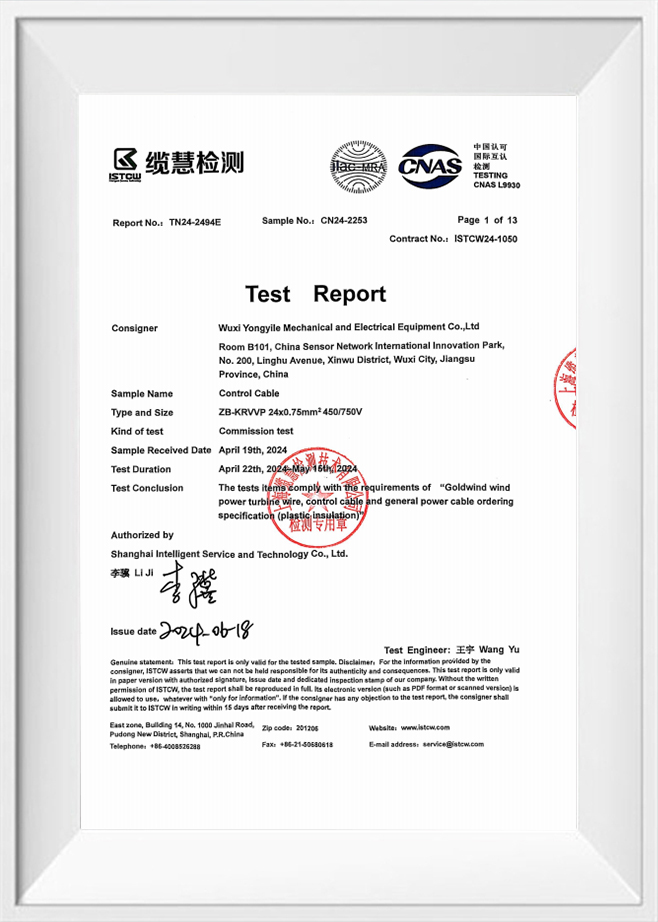
Mechanical Design of Drag Chain Cables
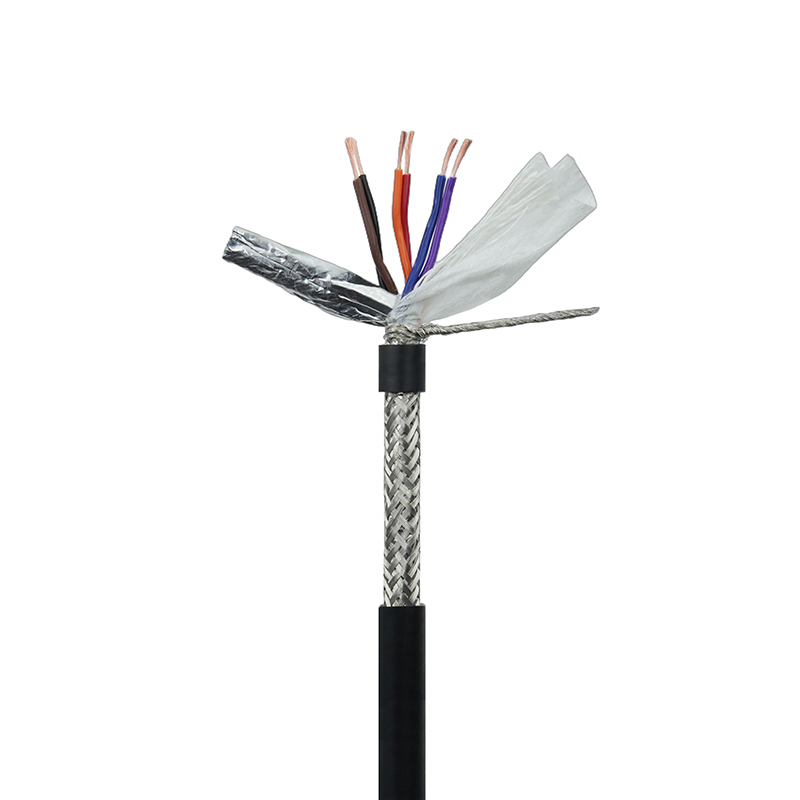
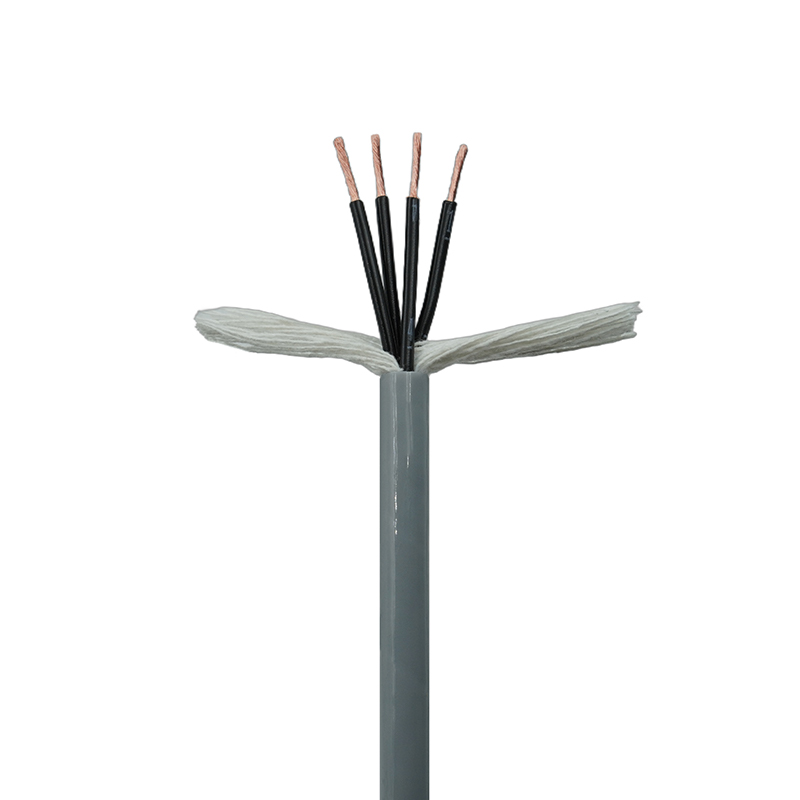
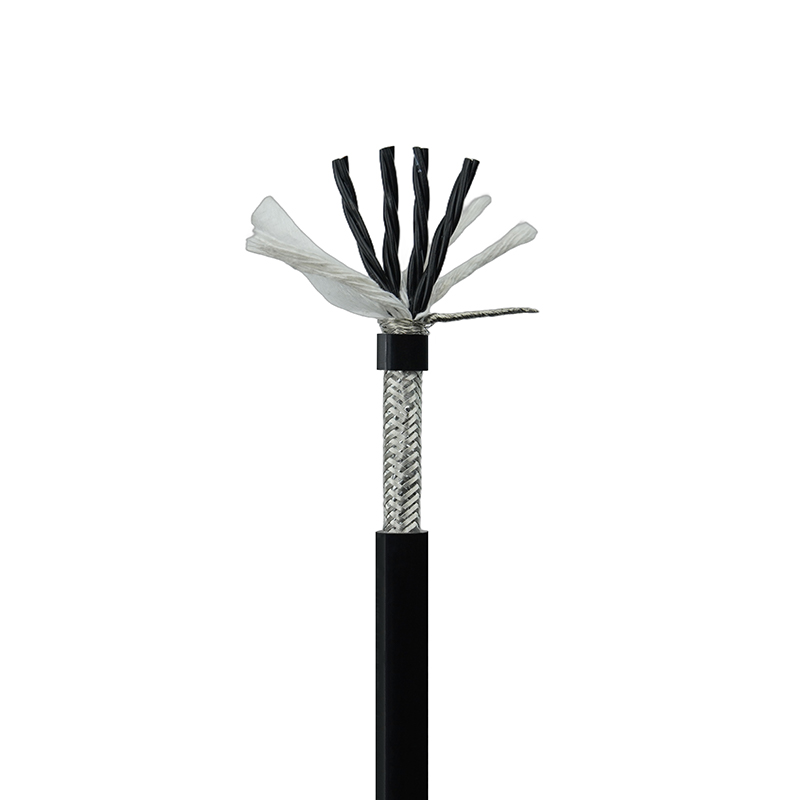
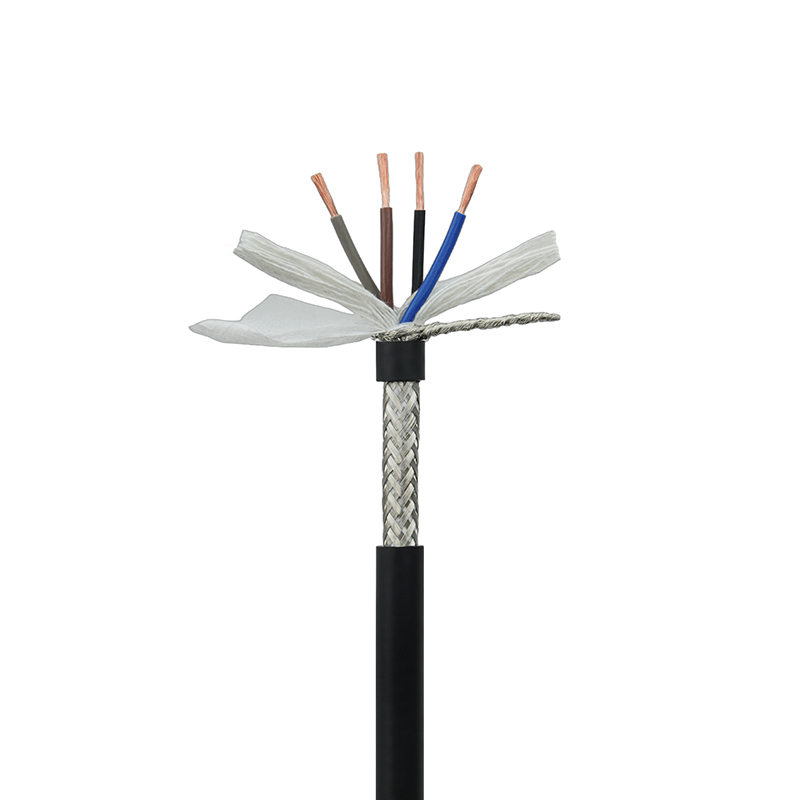
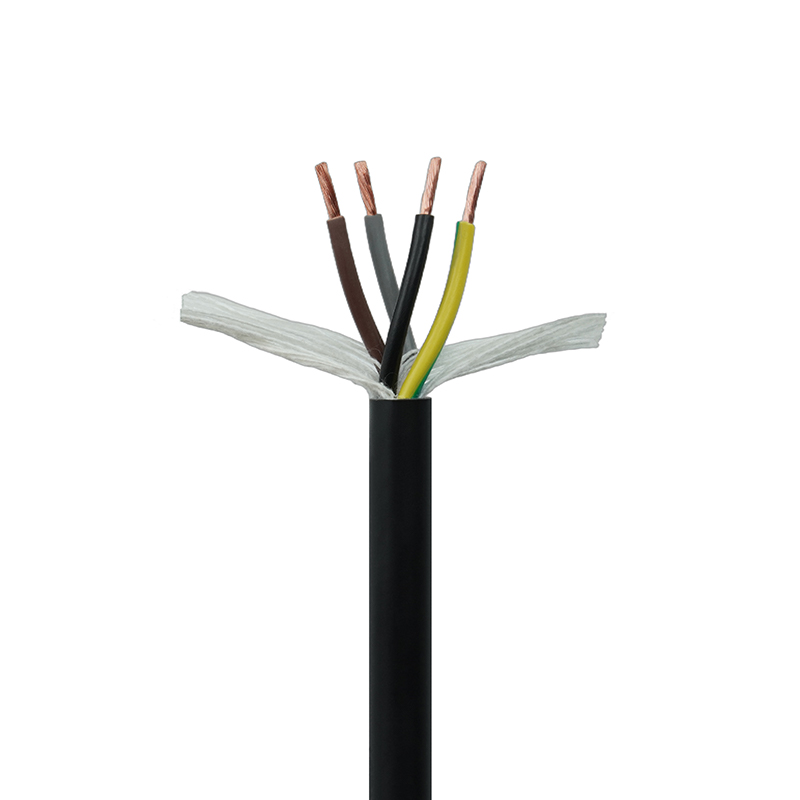
Drag chain cables are designed to endure continuous flexing and torsion, often under harsh industrial conditions. Their mechanical performance relies heavily on conductor construction and insulation materials. Finely stranded conductors are preferred for high-flex applications because they distribute mechanical stress evenly and reduce the risk of breakage during repeated bending.
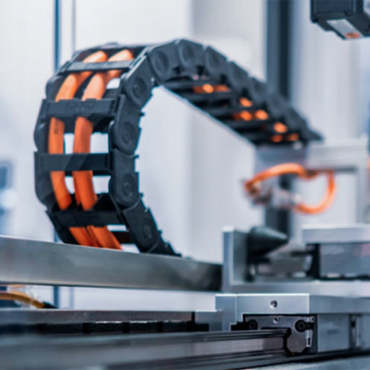
Insulation materials such as PUR or TPE provide both abrasion resistance and chemical stability. The proper selection of bend radius and cable layout in a drag chain is essential; incorrect installation can accelerate conductor fatigue, insulation cracking, and signal degradation.
High-Flex Cable Applications in Automation
High-flex cables are essential for robotic arms, automated conveyors, and CNC machinery, where repeated movement and tight bend radii are common. These cables are engineered to maintain electrical and mechanical integrity over millions of flex cycles.
Key considerations include:
- Using finely stranded copper conductors to improve flexibility and fatigue resistance.
- Selecting PUR or elastomeric insulation that withstands abrasion, oil, and UV exposure.
- Ensuring cable routing avoids excessive torsion and sharp bends.
Flexible Chain Cable Selection Criteria
When selecting flexible chain cables, several parameters influence performance and longevity. The conductor cross-section affects current-carrying capacity, while the number of strands determines bending resilience. Outer jackets must resist mechanical wear and environmental factors such as moisture, oil, and temperature extremes.
It is also important to match the cable to the dynamic characteristics of the chain system, including travel length, bend radius, and speed of movement. Specialized coatings or reinforcements may be applied to enhance abrasion resistance and reduce friction inside the drag chain.
Comparing High-Flex and Standard Flexible Cables
Not all flexible cables are designed for high-cycle applications. A comparative overview highlights critical differences:
| Feature | Standard Flexible Cable | High-Flex Cable |
| Conductor Type | Stranded | Finely stranded or ultra-fine strands |
| Bend Cycles | ~50,000 | >1,000,000 |
| Insulation Material | PVC | PUR, TPE, or elastomers |
| Typical Applications | Stationary or low-movement systems | Robotics, CNC machines, drag chains |
Maintenance and Troubleshooting for Drag Chain Cables
Even high-quality flexible and high-flex cables require regular inspection and maintenance to ensure long-term performance. Common issues include insulation wear, conductor fatigue, and interference in signal lines.
- Inspect cables for abrasion or cracking at bend points and attachment areas.
- Ensure that the cable path within the drag chain is free from obstacles and tension variations.
- Replace damaged segments promptly to prevent machine downtime and electrical failures.
- Check shielding integrity in flexible chain cables used for data transmission in high-EMI environments.
Advanced Design Considerations for Flexible Cables
Advanced flexible cables may include additional features such as torsion resistance, low-friction coatings, and optimized conductor lay patterns. These enhancements increase service life and reduce maintenance in high-speed or high-frequency applications.
In addition, some high-flex cables are designed with modular cores or color-coded strands to simplify installation, troubleshooting, and replacement in complex machinery setups.