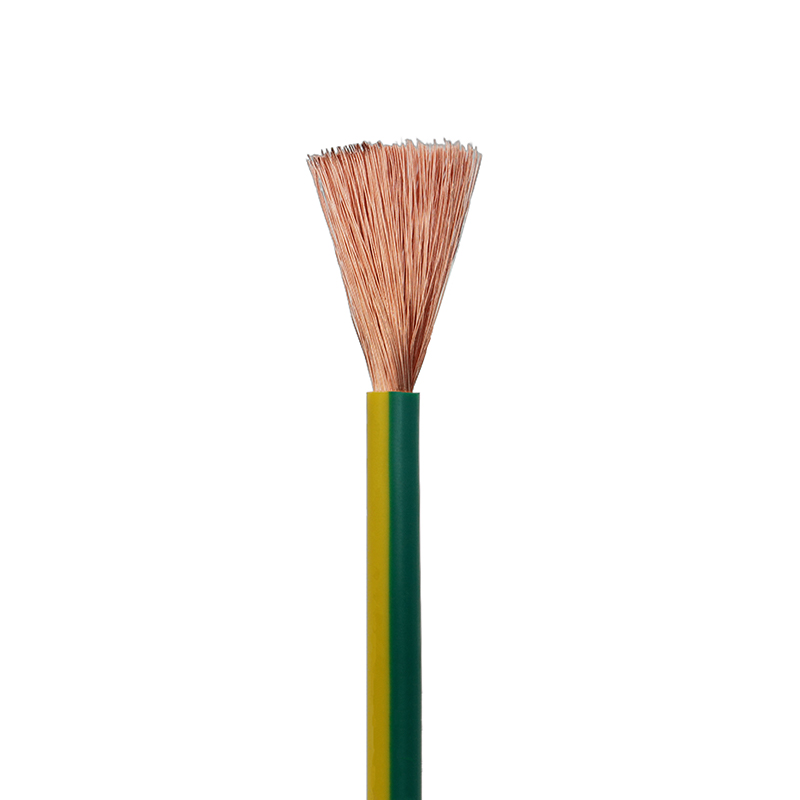
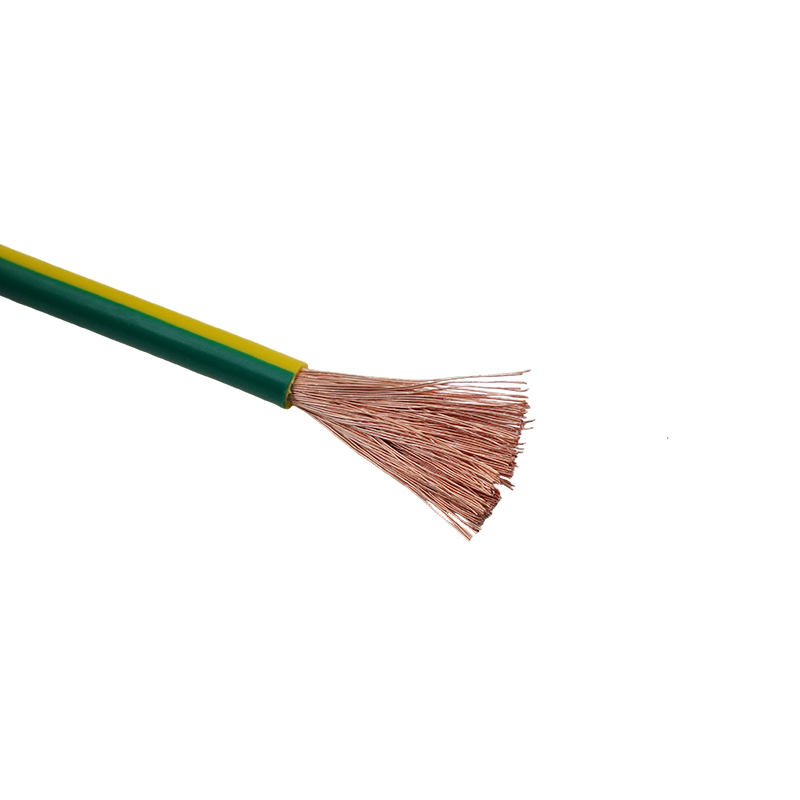
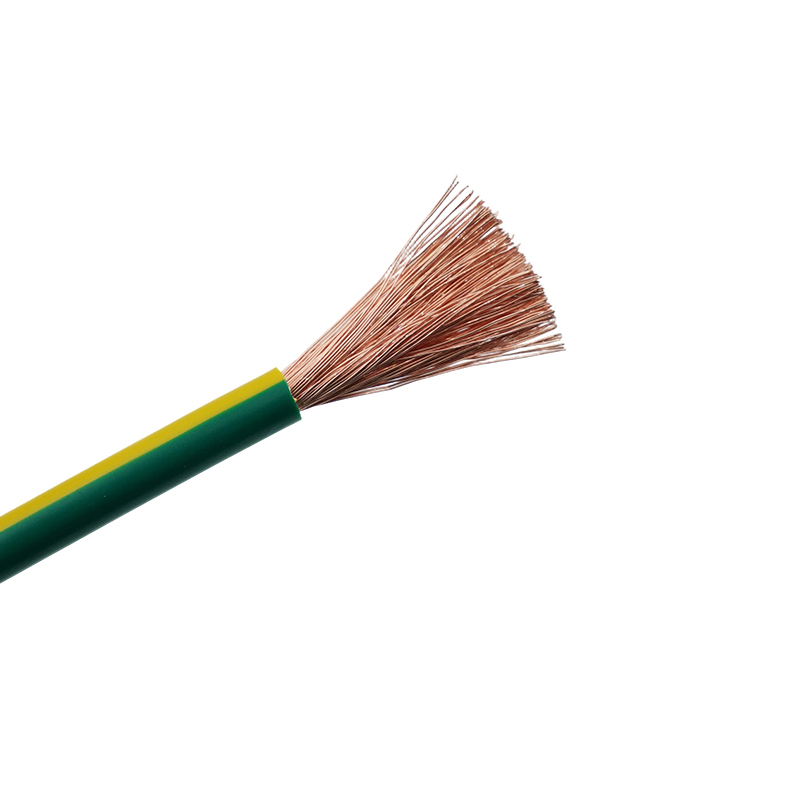
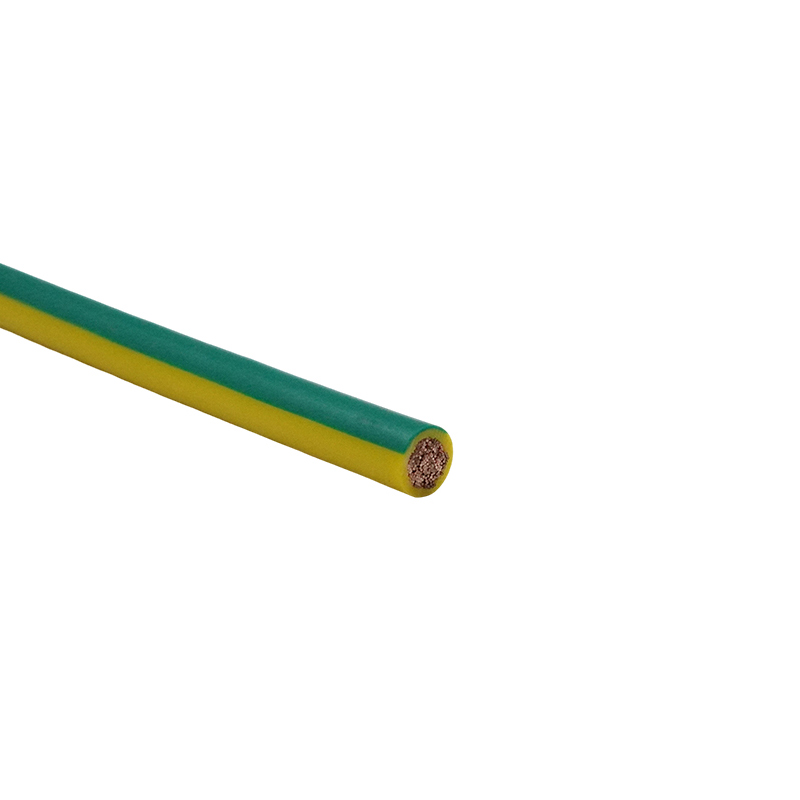
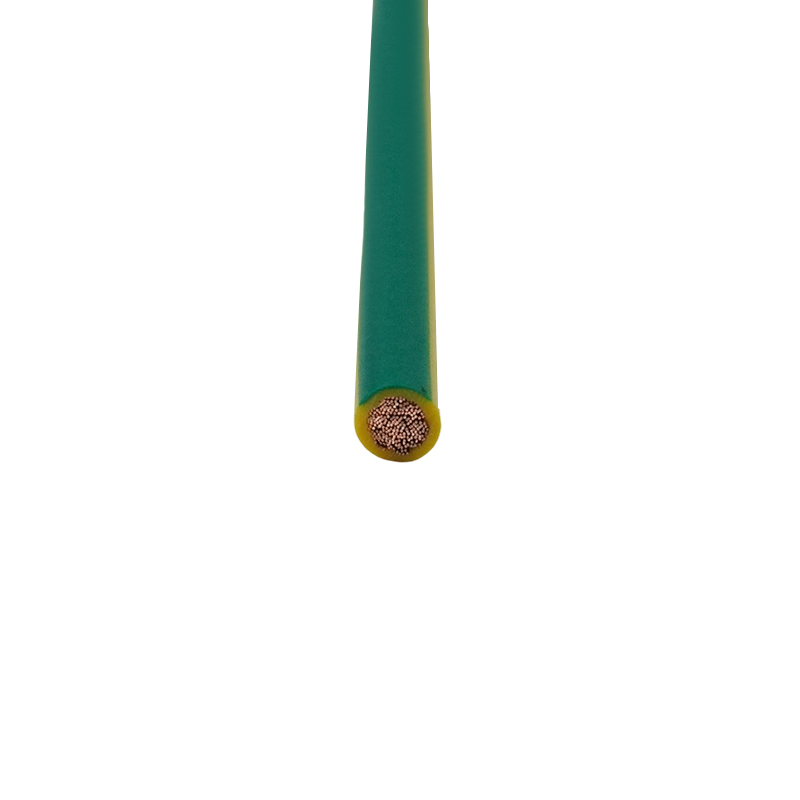
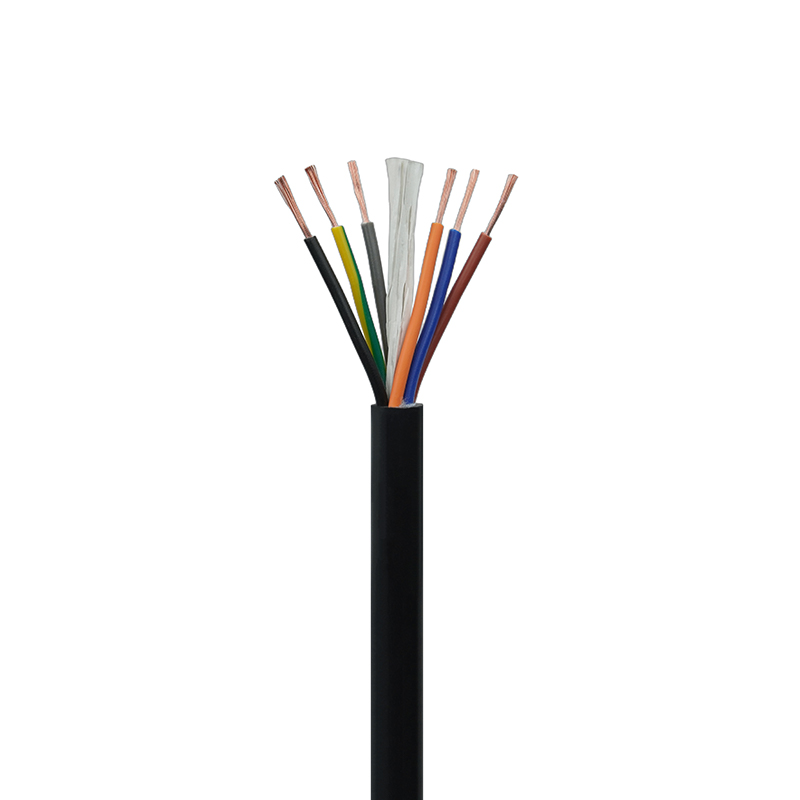
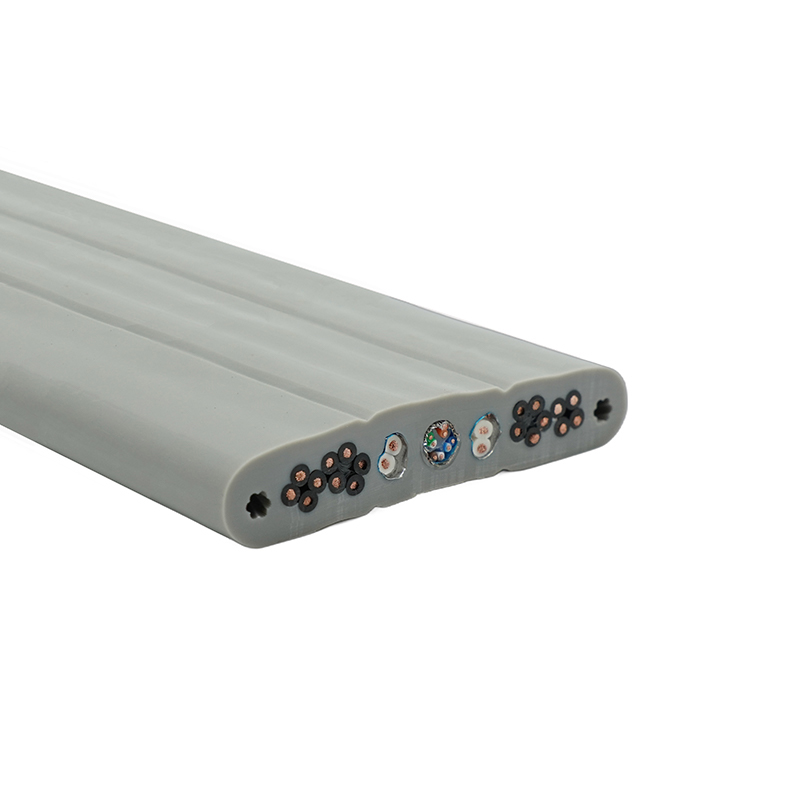
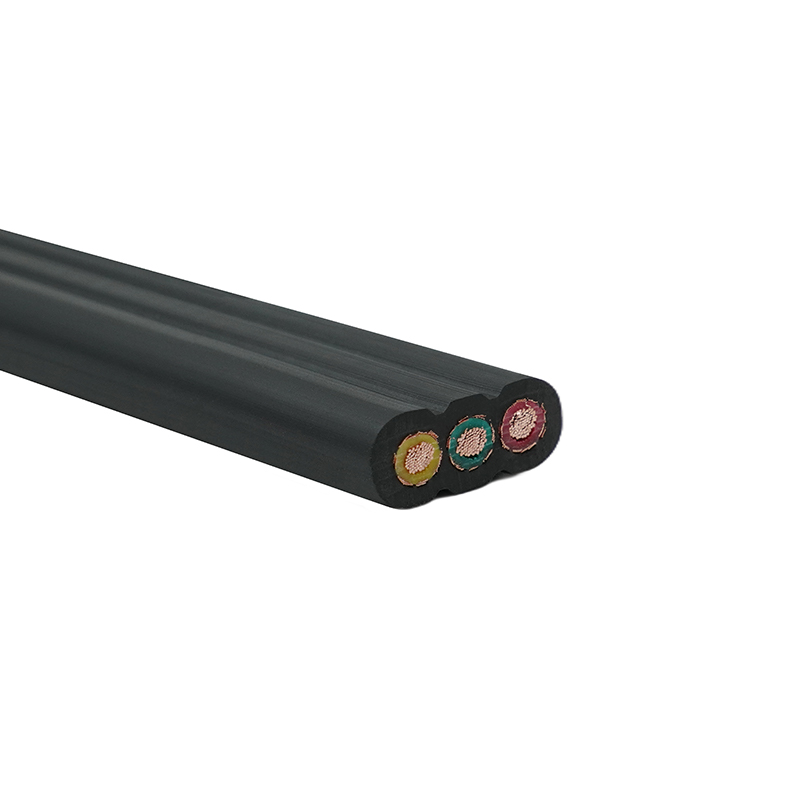
Product Positioning: A single-core low-voltage flexible cable, focusing on internal equipment cabling and power supply for low-power electrical appliances. It adapts to simple cabling scenarios requiring frequent bending or narrow spaces.
Product Features: Simple Structure: Consists of only 1 core of multi-strand flexible copper conductor (Class 5/6) + PVC insulation, with no sheath. High Flexibility: The stranded fine copper wire design allows a small bending radius (approximately 6 times the outer diameter), facilitating threading inside equipment (e.g., motors, instruments). Basic Insulation: PVC insulation has temperature resistance from -15℃ to 70℃ and a rated voltage of 300/500V, applicable only to dry environments without mechanical friction.
Application Scenarios:Internal lead wires for small motors and water pumps, internal cabling in instrument panels, internal connection cables for portable electrical appliances (e.g., table lamps, chargers), and temporary test wires.
Send Message
About
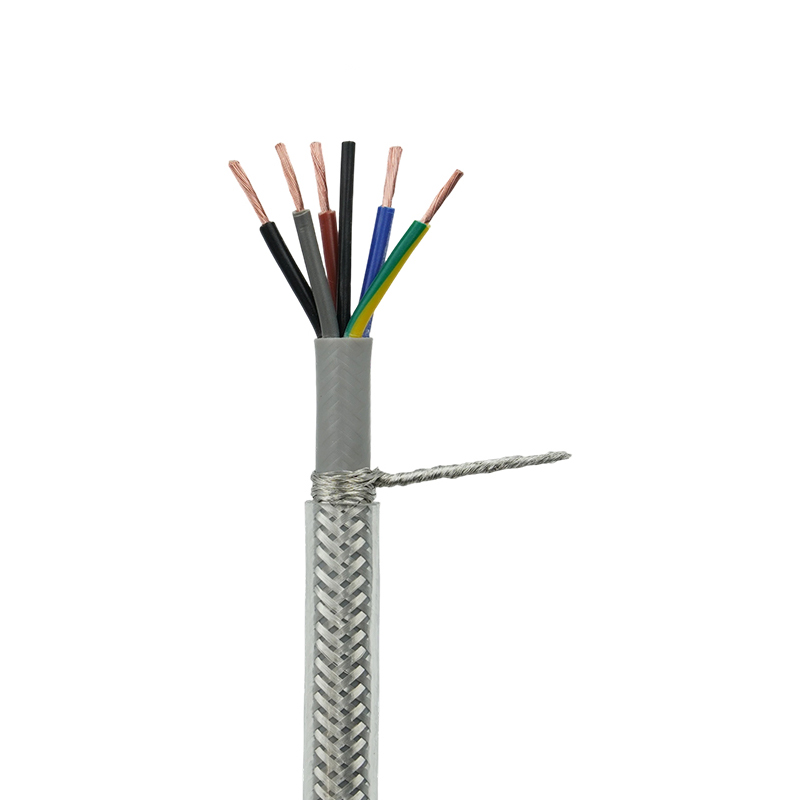
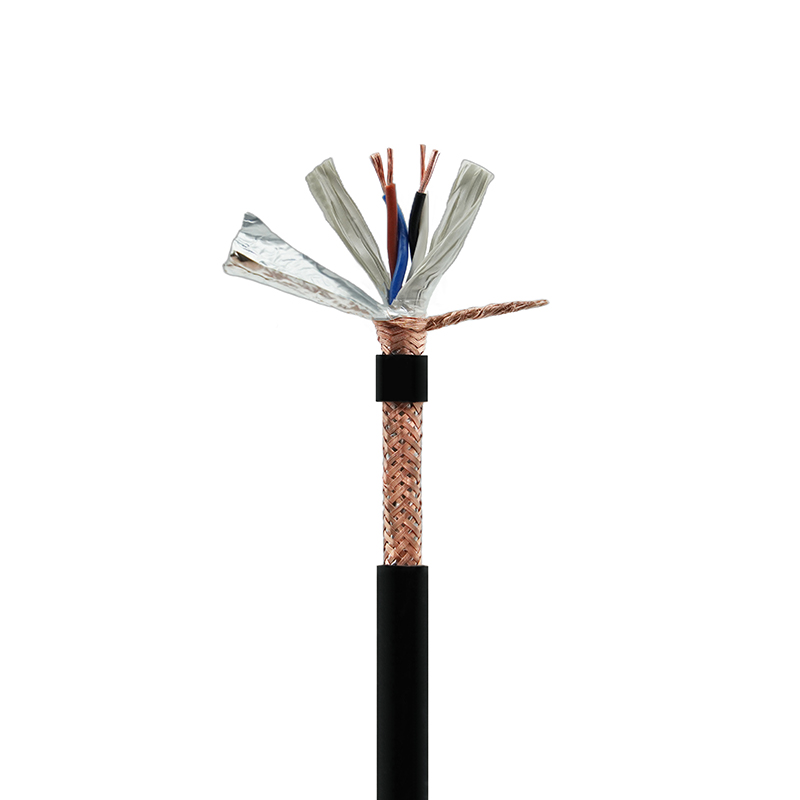
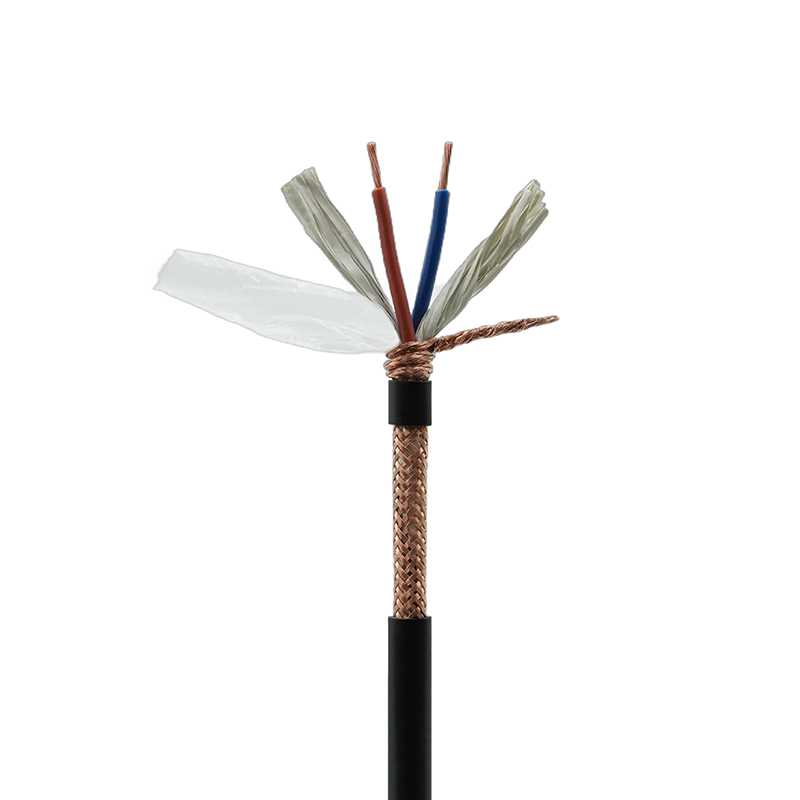
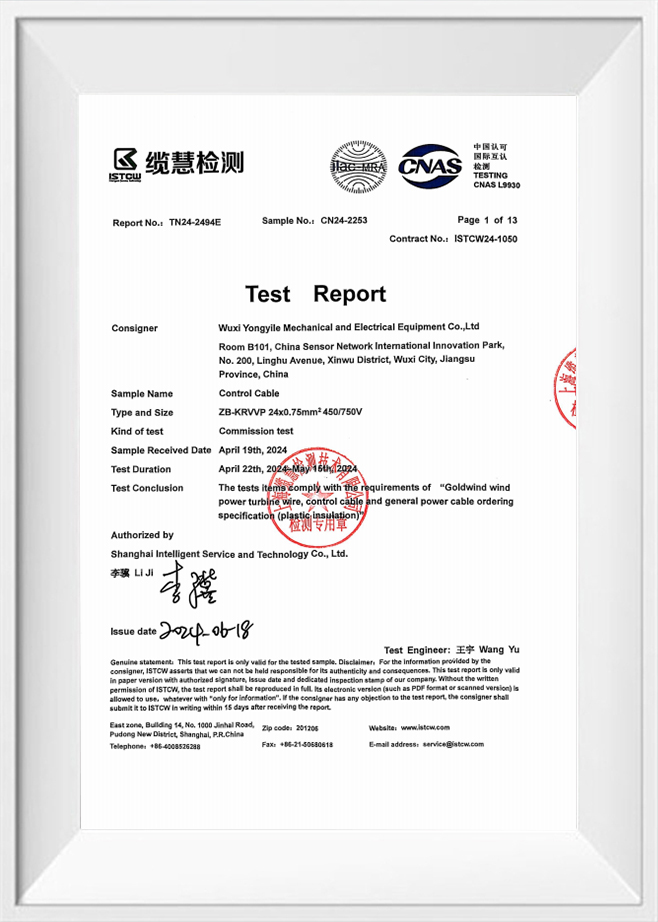
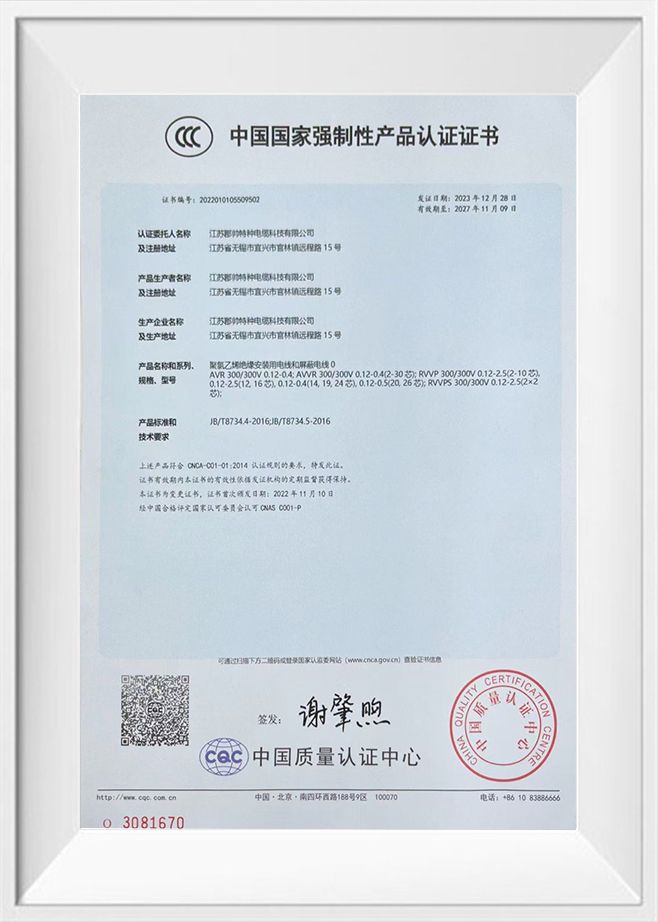
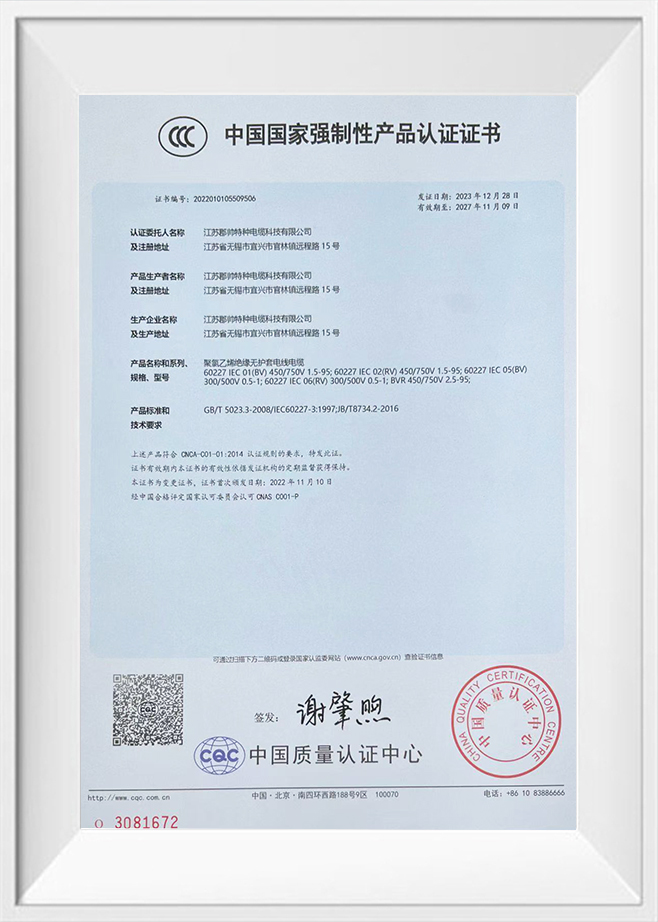
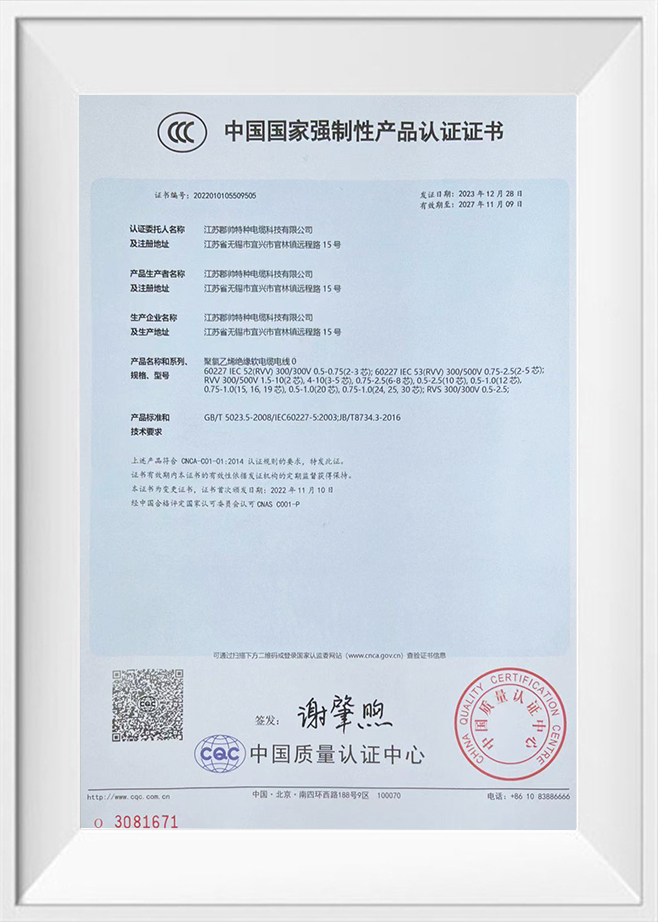
Jiangsu Junshuai Special Cable Technology Co., Ltd. is a professional manufacturer and seller of special cables—custom-made special wires and cables for special applications. RV Copper Core PVC Insulated Flexible Wire (H05VVC4V5-K 5G1.0) Suppliers in China, our company produces drag chain cables, PUR reel cables, high and low temperature cables, crane flat cables, traveling cables, floating cables, shielded cables, CCC cables, UL cables, CE wires, coaxial cables, high, medium and low voltage flat equipment mobile cables, security cables, Wholesale RV Copper Core PVC Insulated Flexible Wire (H05VVC4V5-K 5G1.0) and customized mobile special cables.
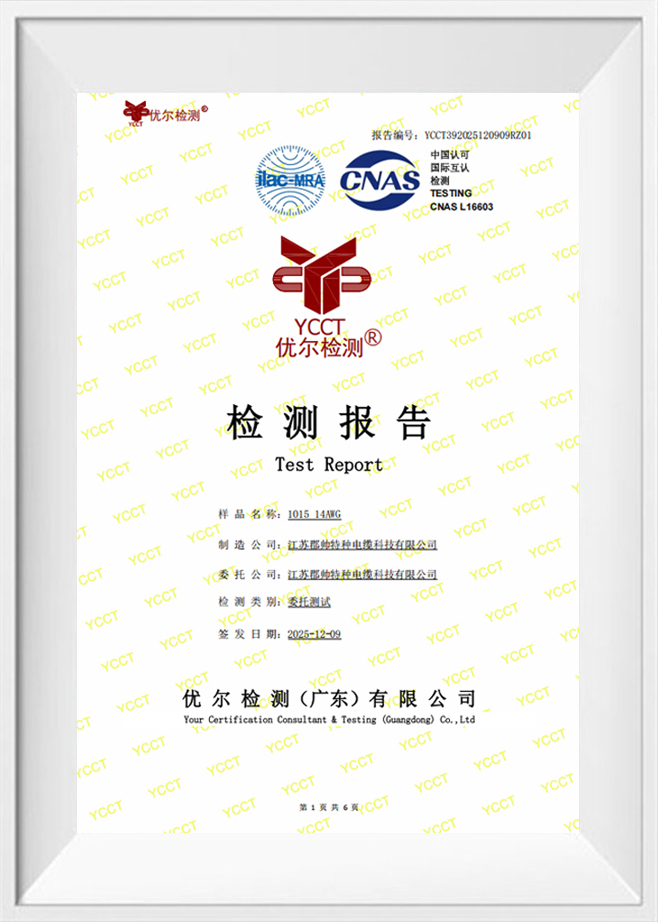
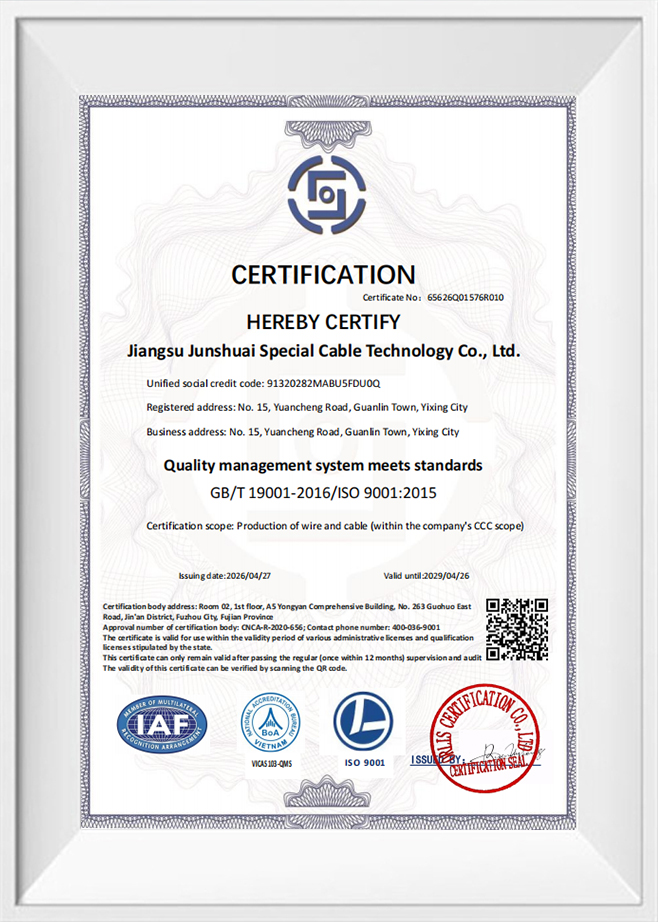
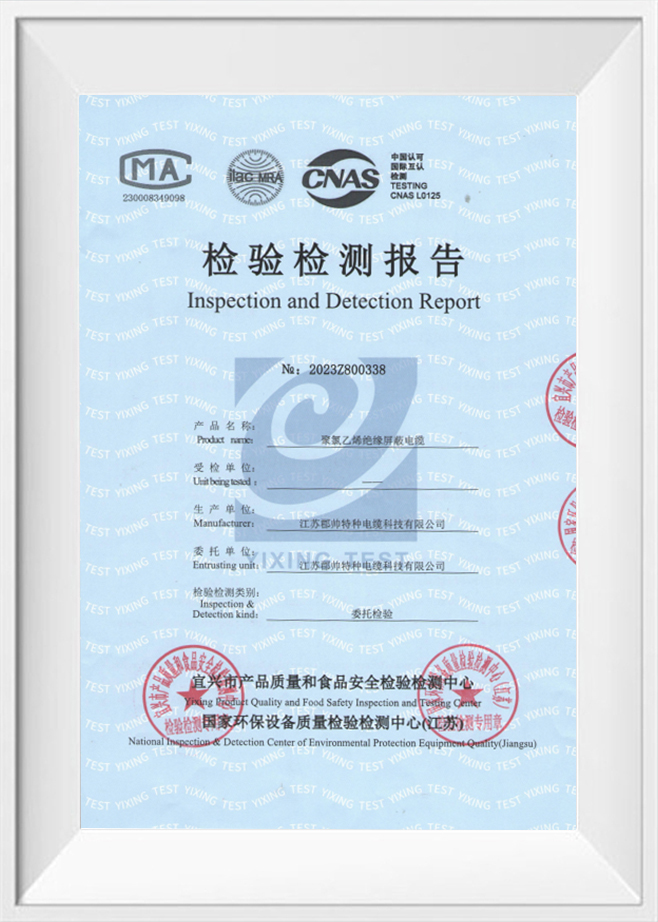
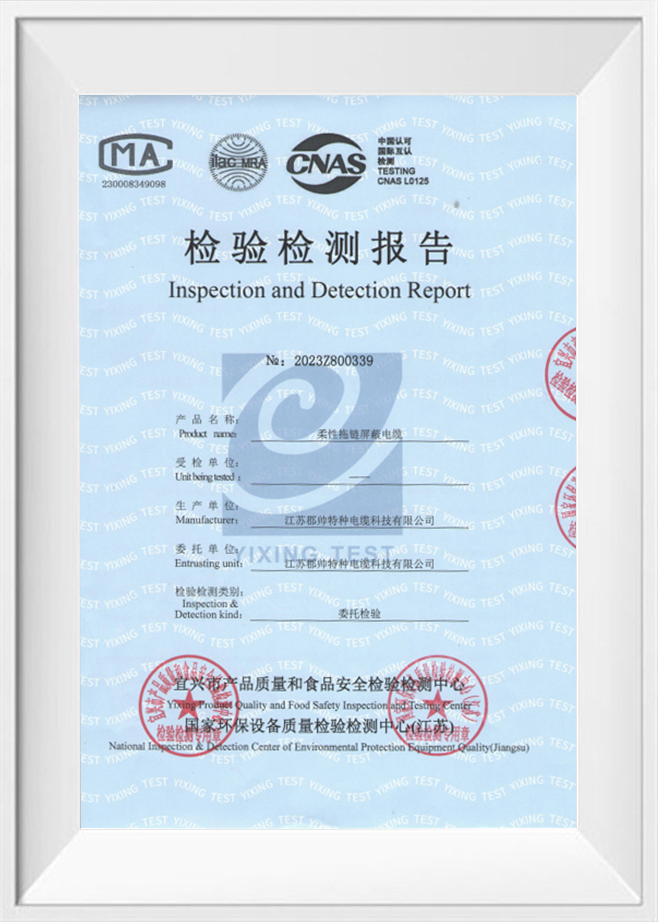
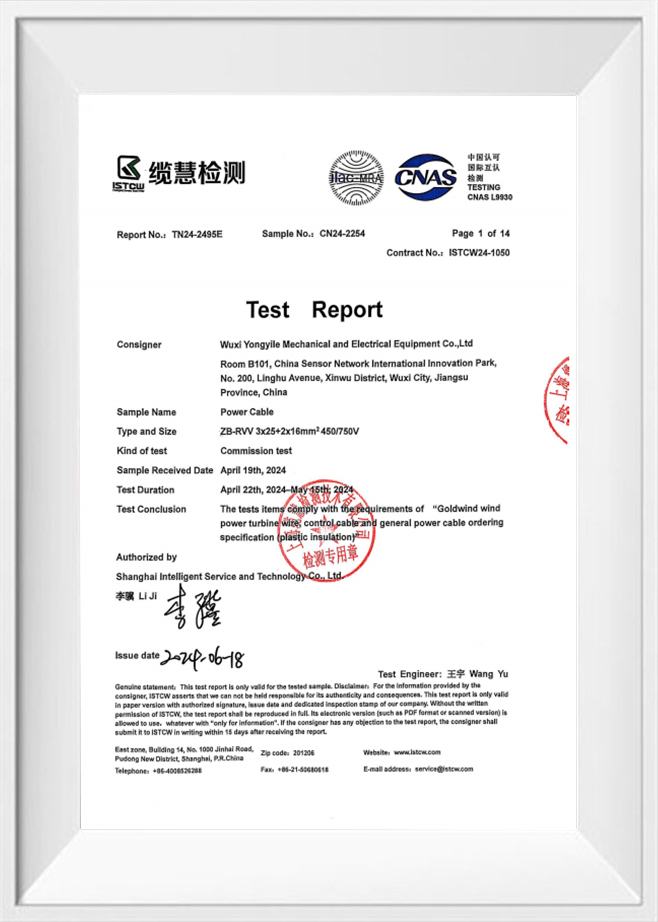
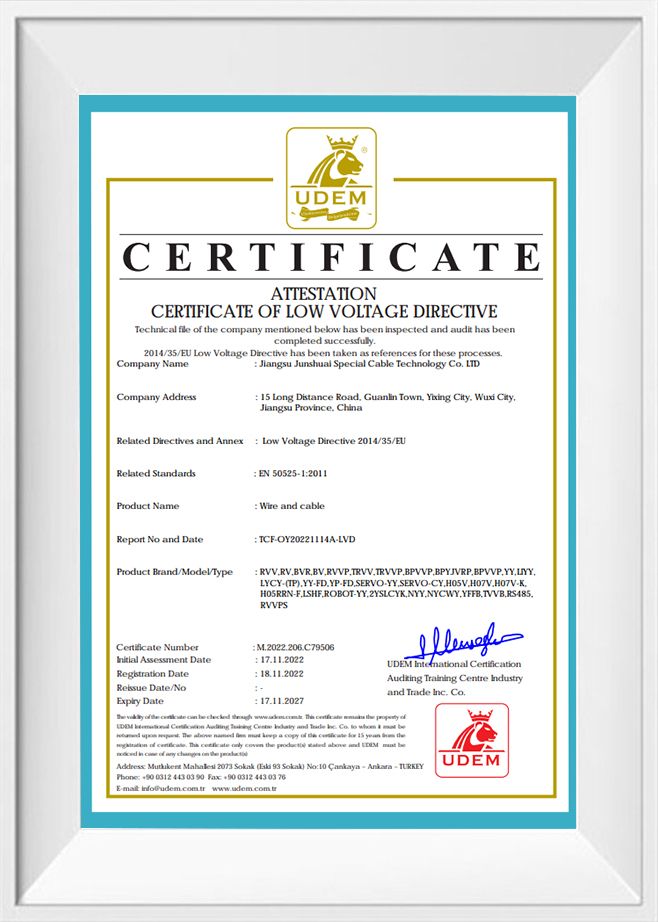
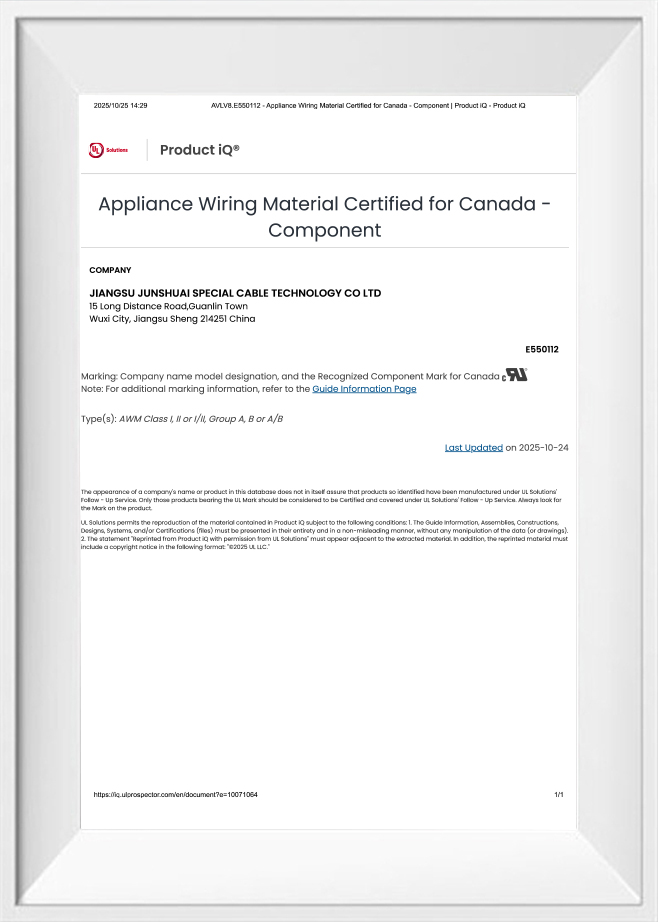
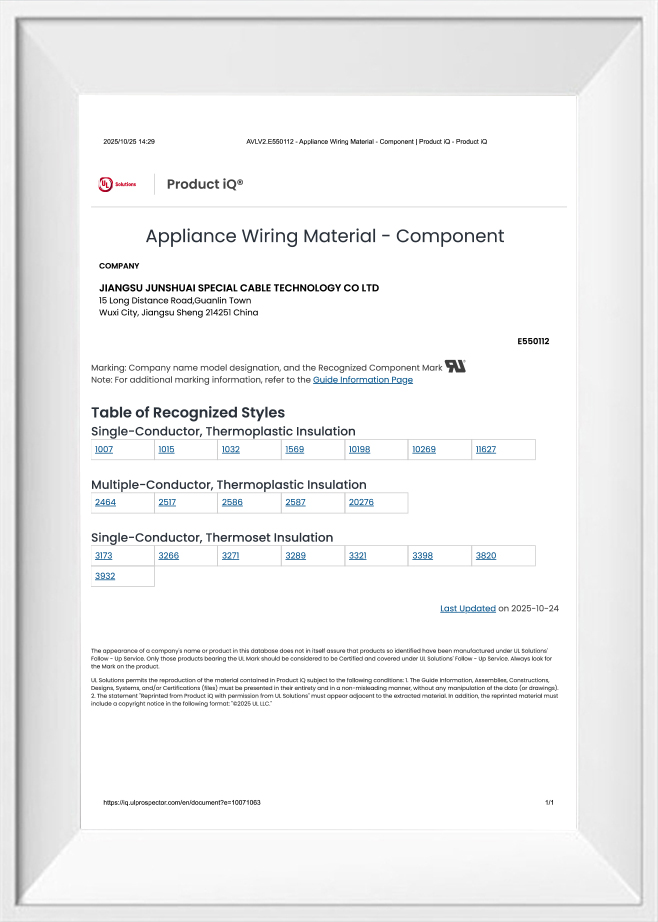
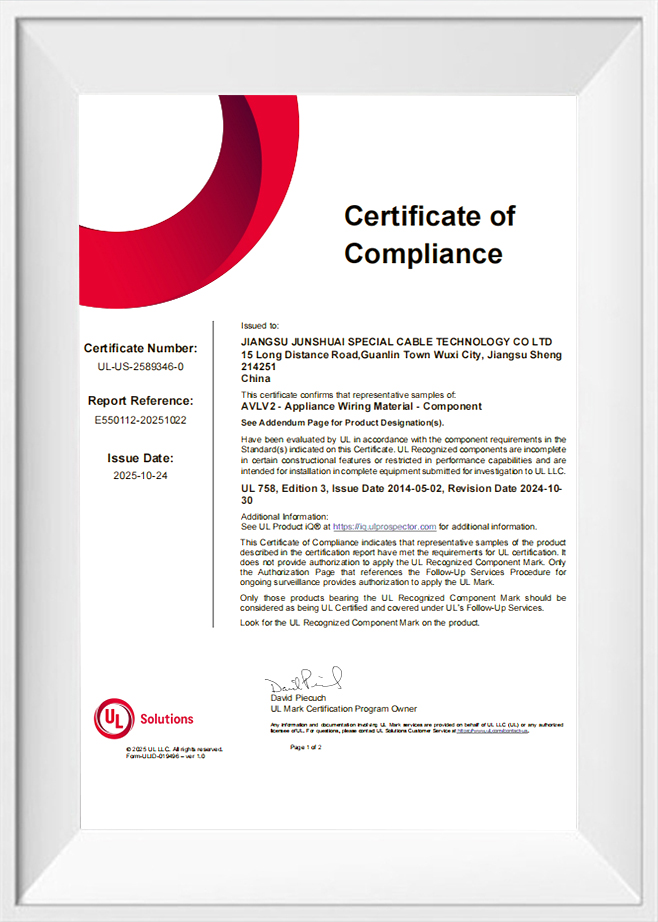
The company possesses advanced domestic production and testing equipment and has obtained CCC, UL, ISO9001, and CE certifications. Junshuai Special Cable is committed to integrity, survival through quality and reputation, and service. We continuously explore and innovate, constantly improving to better serve our customers. We welcome sincere cooperation from new and old friends both domestically and internationally.
Broken wires in cables are inspected by combining visual checks with electrical testing (continuity, resistance, insulation), and—when needed—location tools like TDR plus nondestructive methods such as X-ray or eddy current. This layered approach catches both obvious strand breaks and hidden internal damage without...
Underwater cable installation succeeds when you lock the route, method, and protection strategy first—then execute with tight controls on tension, touchdown, and burial. In practice, most failures trace back to poor seabed understanding, inadequate protection (or over-protection), and weak installation QA rather than...
Direct answer: what “good” cable systems for renewable energy look like
Reliable cable systems for renewable energy are built around three non-negotiables: correct thermal sizing (ampacity), mechanical protection (route + installation), and maintainable accessories (joints and terminations). If you get these right...